





Patterned Lamp Table
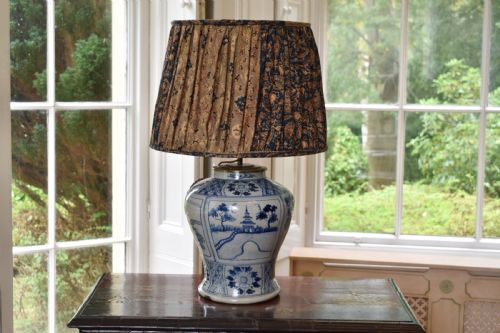
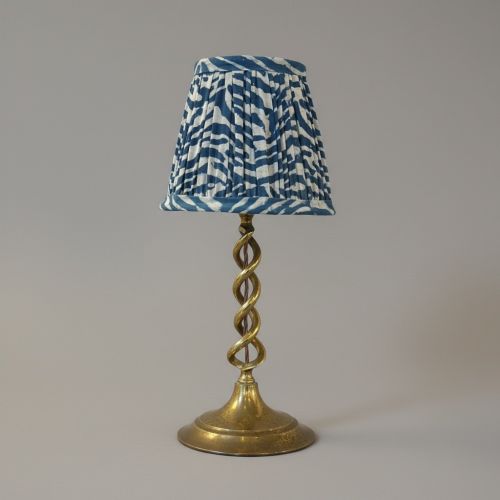
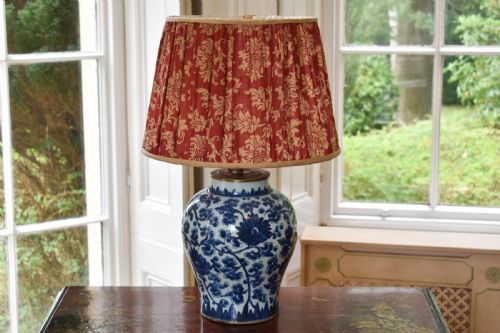
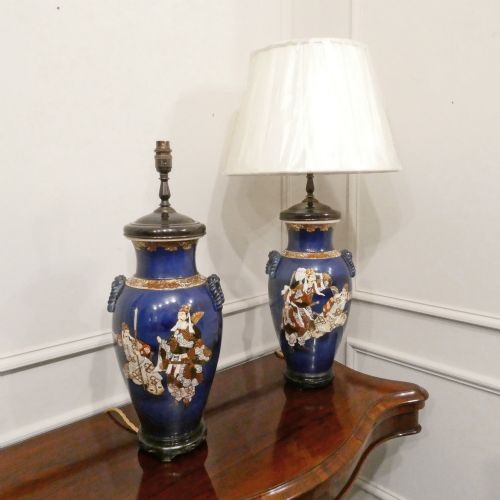
These patterned lamp table options bring together decorative lighting and small furniture crafted across the eighteenth, nineteenth, and early twentieth centuries.
Patterned Lamp Table
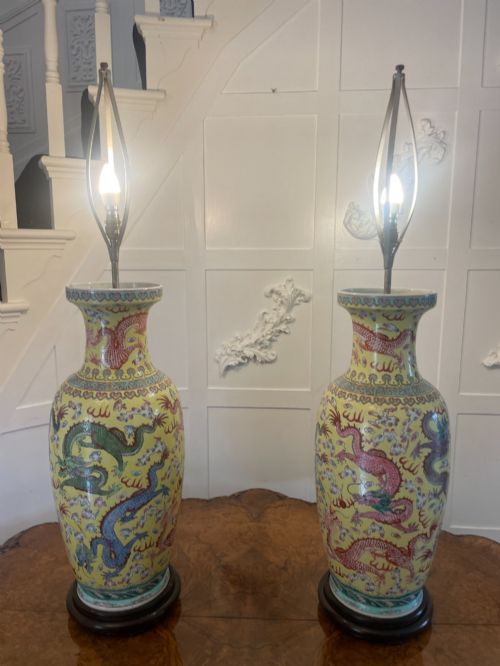
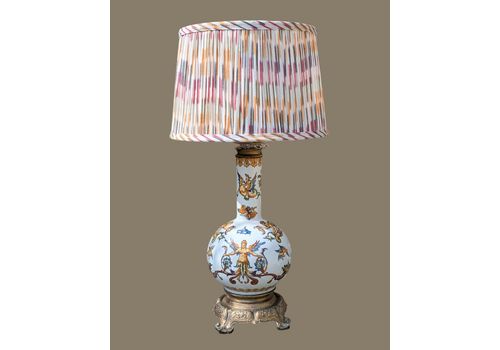
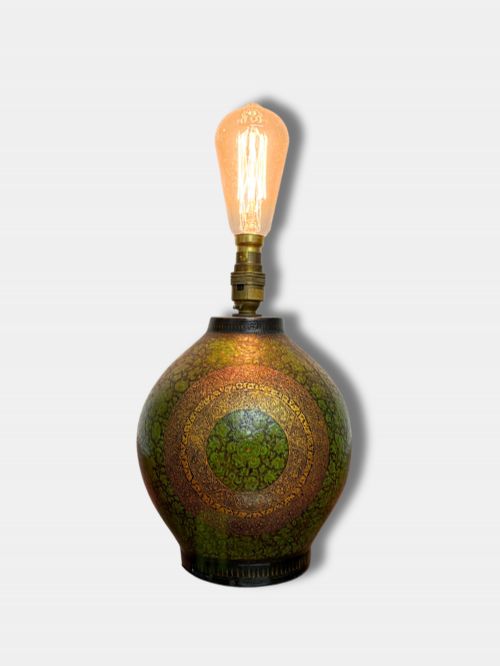
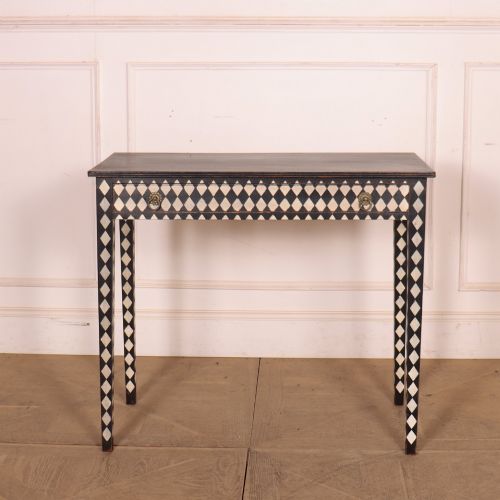
A patterned lamp table search encompasses diverse lighting fixtures and small occasional furniture pieces designed to illuminate interior spaces. Buyers encounter converted vases, classical columns, and occasional tables spanning the Victorian, Edwardian, and earlier eras.
What Varies in Quality
The standard of a piece rests upon the crispness of the casting in metalwork and the fineness of hand-painting on porcelain surfaces. Superior items display meticulous detail in mounts and well-preserved surface decoration.
Integration of electrical fittings within antique vessels affects overall execution, where professional conversion preserves the integrity of the original ceramic or bronze body.
Patterned Lamp Table Retail Price Guide 2026
Typical asking prices for patterned lamp table among the pieces listed under this phrase on Sellingantiques today, from the lower quarter to the upper quarter. They describe what is for sale here now, not the wider market.
Bronze cherubs occasionally found a second calling holding light bulbs.
The Patterned Lamp Table Glossary
- Ormolu
- Gilded bronze mounts applied to furniture and porcelain. This technique was widely utilised in French and English decorative arts.
- Cloisonne
- Enamel decoration separated by thin metal wires soldered to a base. The method creates intricate patterned cells across vases and lamp bodies.
- Majolica
- Tin-glazed earthenware known for vibrant coloured lead glazes. It appears frequently in nineteenth-century table lighting.
- Imari
- Japanese porcelain decorated in underglaze blue, iron red, and gold. These pieces were frequently mounted as lamps in later periods.
- Meiji Period
- A Japanese historical era spanning from eighteen sixty-eight to nineteen twelve. Works from this time often feature highly detailed Satsuma or cloisonne designs.
Patterned Lamp Table: Frequently Asked Questions
How do I identify a converted lamp?
Converted lamps typically show modifications to historical objects such as vases, candlesticks, or statuettes to accommodate electrical wiring and bulb fittings.
Close inspection reveals whether the original vessel or metalwork has been drilled or adapted without compromising its primary aesthetic character.
What periods do these pieces represent?
The selection spans from the eighteenth century through the Victorian and Edwardian eras into the early twentieth century.
Stylistic influences range from Gothic Revival and Neoclassical to Art Nouveau and Chinoiserie.
Where should I place a lamp table?
These pieces suit side positions in living spaces, hallways, or libraries where they provide both functional illumination and decorative presence.
Consider the scale of the base and the surrounding furniture to maintain balanced proportions in the room.
How do I care for antique ceramic lamps?
Maintain porcelain and enamel surfaces by dusting gently with a dry, soft cloth to avoid abrasion to the glaze or gilding.
Keep electrical components checked by a qualified professional to ensure safe operation.