
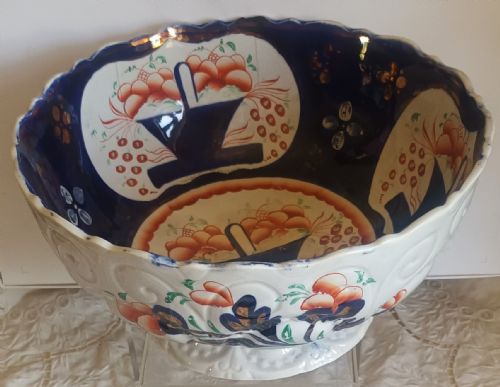


Patterned Ceramic Fruit Bowl
A patterned ceramic fruit bowl brings colour and historical pattern to a table, spanning centuries of earthenware, ironstone and porcelain design.
Patterned Ceramic Fruit Bowl
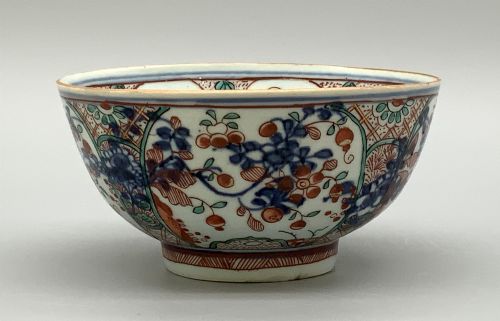
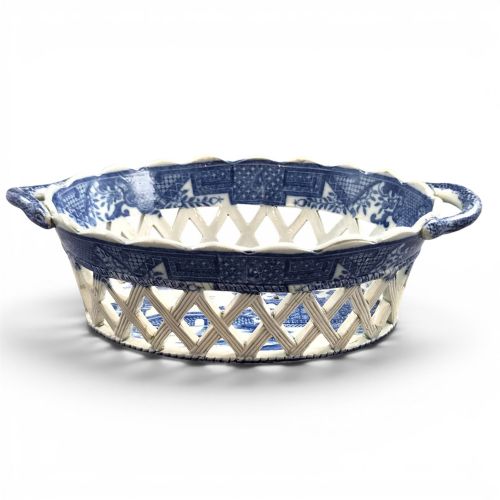
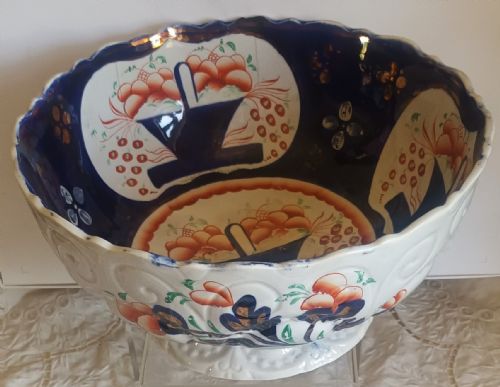
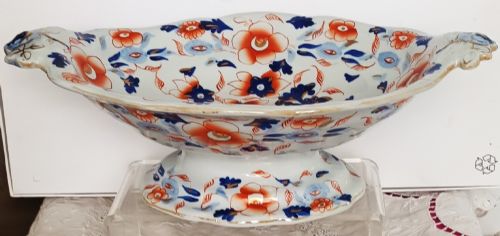
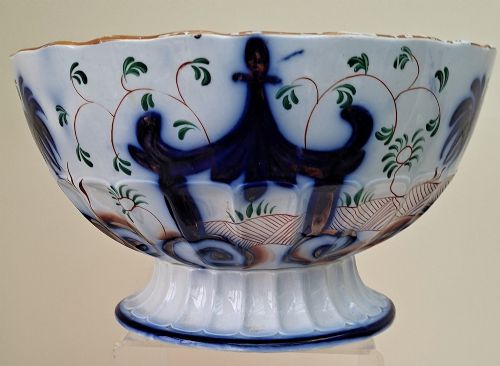
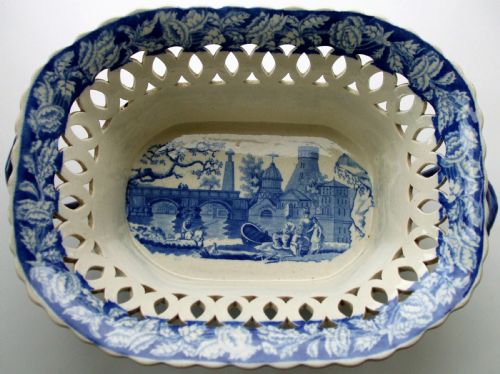
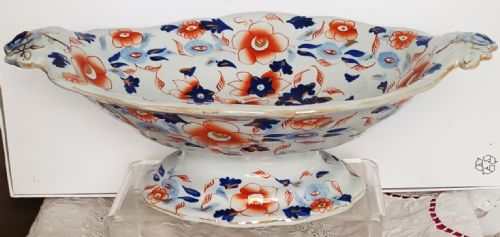
A patterned ceramic fruit bowl is typically encountered as a footed bowl, comport, centrepiece, or reticulated chestnut basket intended for display and service. The selections range from 18th-century Chinese Kangxi porcelain and English Georgian ironstone to Victorian Gaudy Welsh pottery, Edwardian lustreware, and Art Nouveau glazed earthenware. Buyers find these vessels ornamented with transfer-printed scenes, hand-painted florals, and intricate gilt motifs.
The forms vary from deep pedestal dishes to wide comports and handled baskets designed with pierced or reticulated walls. Many pieces originate from historic English potteries, European factories, and Asian export kilns. These functional objects reflect the decorative tastes of the Georgian, Victorian, Edwardian, and Art Deco periods.
Distinctions in Quality
Quality rests in the crispness of the transfer print, the precision of hand-painted enamel details, and the preservation of applied gold leaf. Early porcelain and ironstone bodies demonstrate refinement through thinness, ringing resonance upon tapping, and smooth, even glaze application without pooling or pitting.
The artistic execution of the pattern, whether depicting Chinese export motifs or intricate Moorcroft pomegranates, dictates the desirability of the piece. Makers who employed skilled decorators achieved greater depth of colour and registration accuracy across the ceramic surface.
J. & R. Clews·Wedgwood·Maling·Moorcroft·Mason’s Ironstone China·Eichwald·Meissen·Spode·Samson·Bursley Ware
The Patterned Ceramic Fruit Bowl Glossary
- Chestnut basket
- A decorative ceramic vessel featuring pierced or reticulated walls designed for serving chestnuts or fruit at the dining table. These baskets often include a matching underplate.
- Comport
- A large footed bowl or dish elevated on a pedestal, traditionally utilised for serving fruit or sweetmeats as a centrepiece. They appear frequently in Georgian and Victorian ceramics.
- Ironstone
- A heavy, durable type of earthenware patented in the 19th century to imitate porcelain. It provides a robust body for transfer-printed and enamelled tableware.
- Lustreware
- Pottery or porcelain decorated with a metallic glaze that produces an iridescent, reflective sheen. It was widely developed during the 19th and early 20th centuries.
- Reticulated
- Describes ceramic work featuring an openwork pattern formed by cutting geometric or floral shapes out of the damp clay before firing.
Patterned Ceramic Fruit Bowl: Frequently Asked Questions
What is a patterned ceramic fruit bowl used for?
These vessels were historically utilised for presenting fruit, nuts, or sweetmeats during formal dining and dessert courses. Today, collectors primarily display them as decorative centrepieces on tables and sideboards.
Their substantial forms and historic patterns allow them to function as standalone decorative art objects within contemporary interiors.
How do I care for an antique bowl?
Antique ceramic bowls require gentle hand washing in lukewarm water with mild soap when necessary. Dishwashers must be avoided to protect historic glazes, enamels, and delicate gold leaf decorations.
Sudden temperature changes can cause crazing in the ceramic body, so these pieces are best kept away from extreme heat and direct sunlight.
How can I tell the period of a bowl?
Dating relies upon examining the ceramic body material, glaze characteristics, and factory stamps or painted marks found on the underside. Ironstone, pearlware, and specific porcelain bodies align with distinct manufacturing eras from the 18th to the 20th centuries.
Stylistic indicators such as Art Nouveau sweeping lines or Georgian transfer-printed river scenes also help establish the likely date of manufacture.
Are these bowls safe for serving food?
While many of these historical vessels were originally designed for culinary use, older glazes and enamel decorations can contain substances not graded for modern food safety standards. Collectors generally treat them as decorative display items rather than functional tableware.
Using them strictly for dry display protects both the user and the historical integrity of the glaze and gold leaf.