
Patterned Armchair
A patterned armchair brings colour and texture to a room, offering a seat shaped by centuries of changing styles.
Patterned Armchair
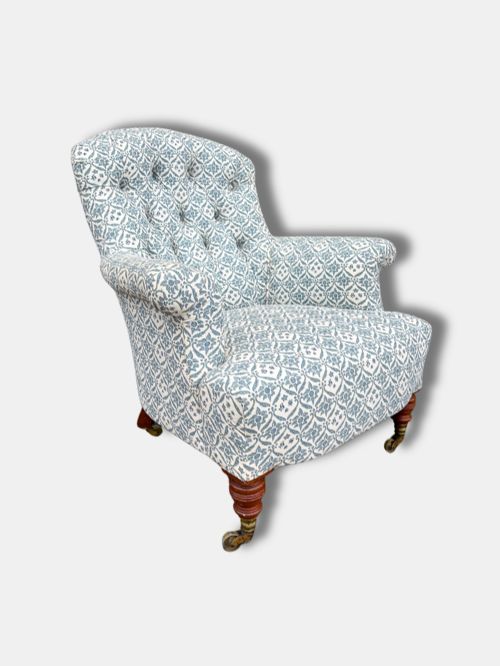
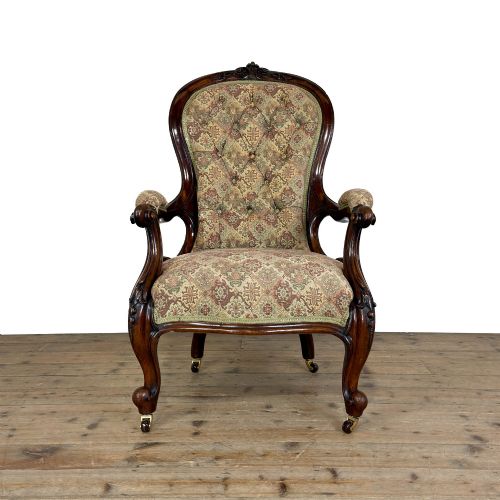
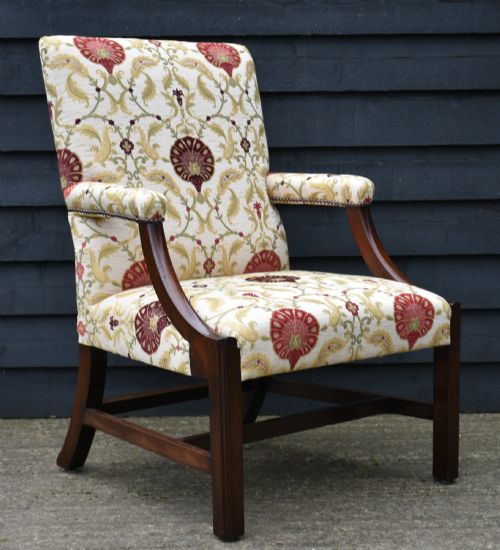
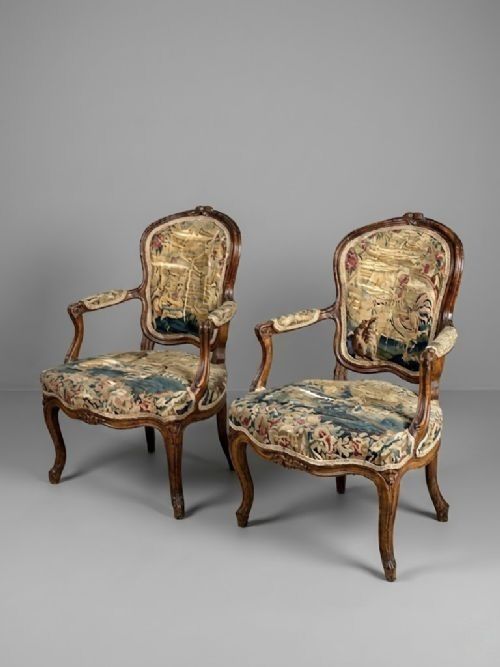
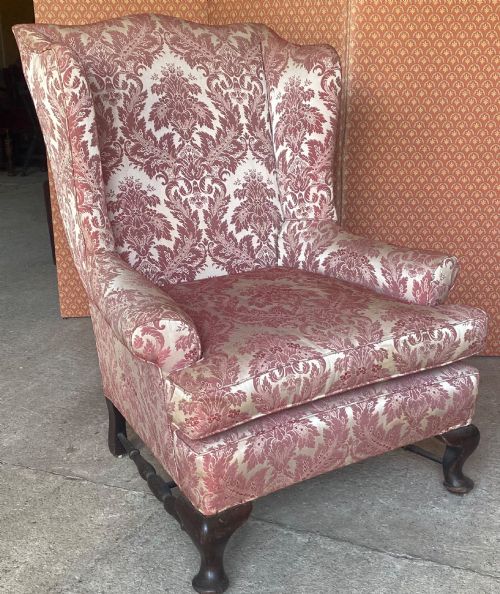
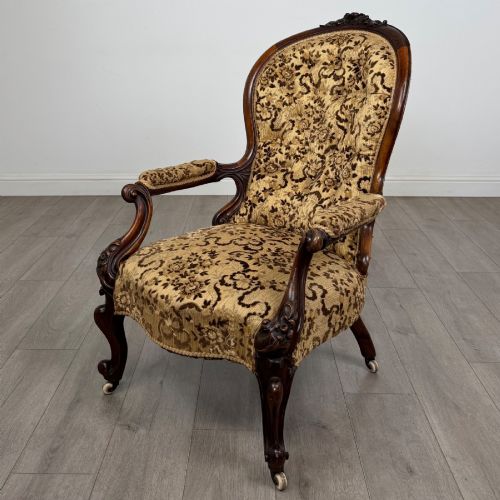
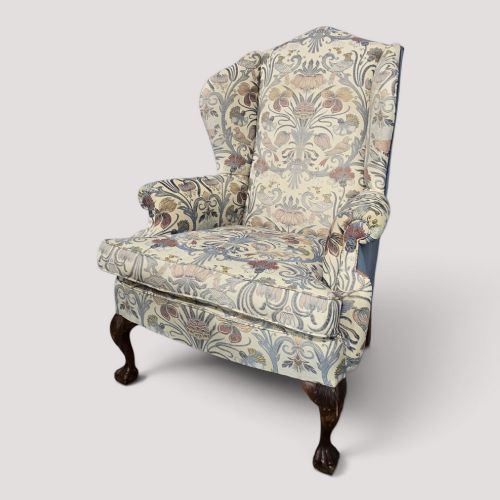
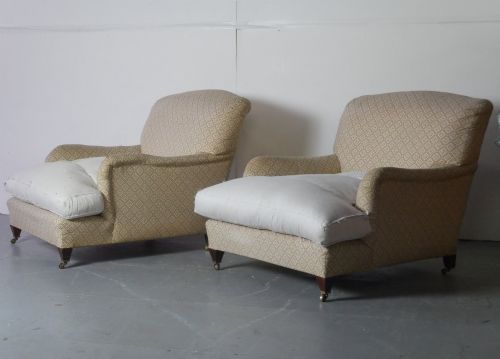
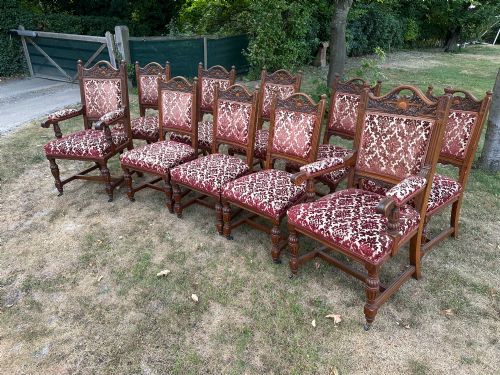
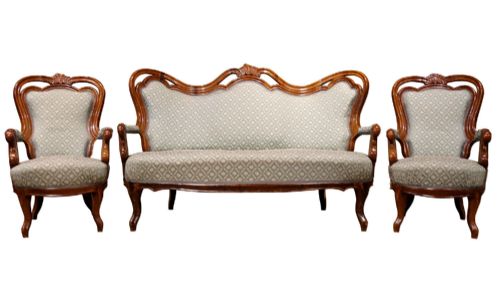
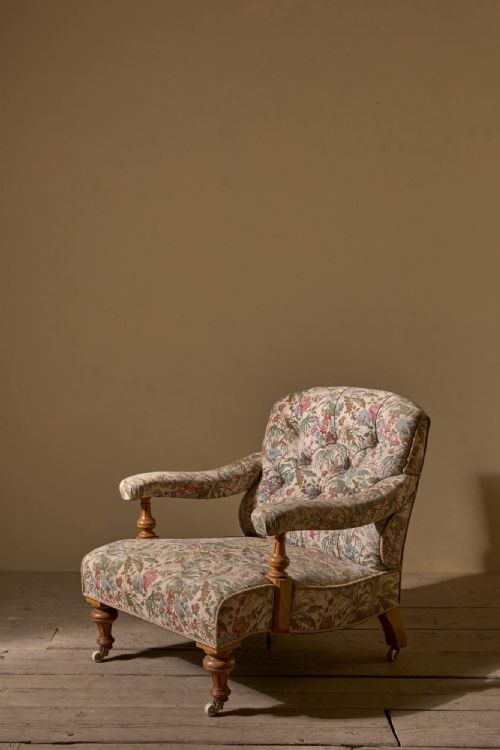
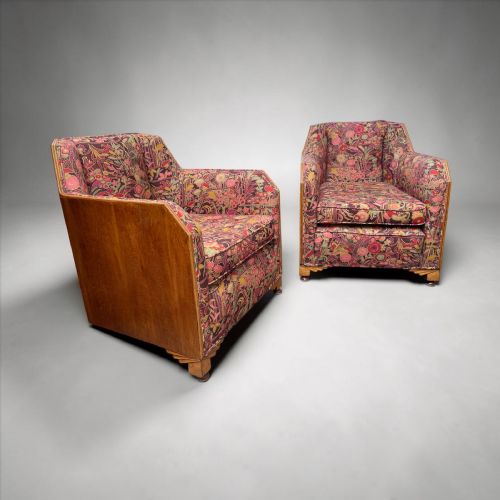
A patterned armchair is a seating form upholstered in decorative textiles, spanning periods from the eighteenth century to the twentieth century. The selection here includes Victorian button backs, Edwardian styles, and Art Deco designs upholstered in various fabrics.
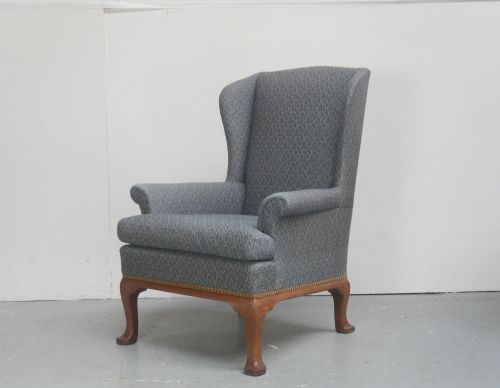
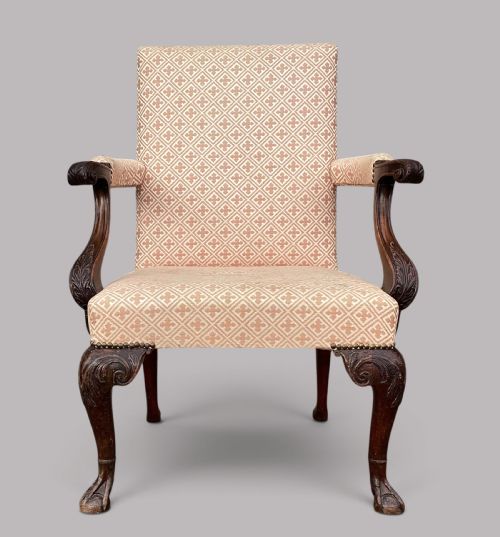
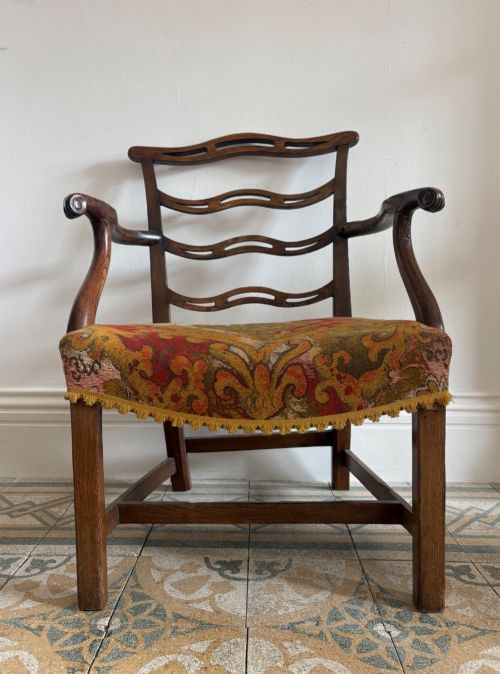
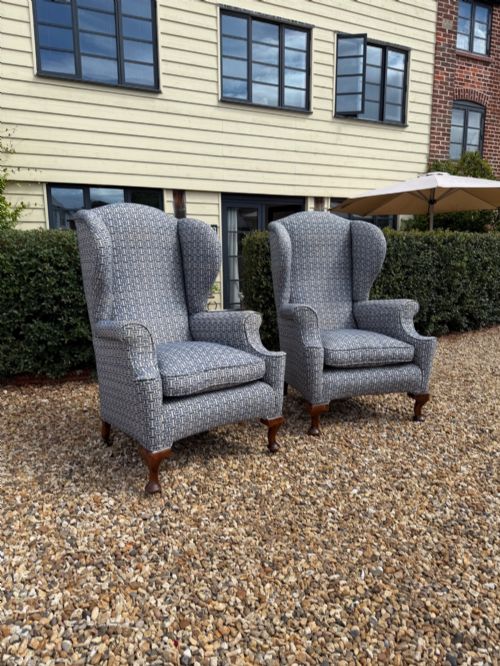
Buyers meet sturdy nineteenth-century frames alongside lighter twentieth-century chairs. These pieces appear in forms such as wingbacks, tub chairs, and open armchairs.
Origins range from English workshops to French salons and Scottish country houses. Each piece combines a wooden frame with patterned textile coverings to suit different rooms.
How they were made
Frames rely on timbers such as mahogany, walnut, oak, elm, and assorted hardwoods. Cabinetmakers carved and joined these woods to form stable structural skeletons.
Upholstery combines textile covers with underlying materials like brass tacks and feather fillings. Makers secured fabric over padding to create supportive seats and backs.
Listings feature woods such as mahogany, walnut, oak, elm, and hardwood alongside fabrics, textiles, and brass.
What varies in quality
The standard of a patterned armchair depends on the precision of the frame carving and the integrity of the joinery. Skilled cabinetmaking ensures the wooden structure remains rigid over generations.
Upholstery execution separates standard seating from finer examples. The alignment of textile patterns and the quality of internal fillings dictate the finished comfort and appearance.
Howard & Sons·Whytock & Reid·Holland & Sons·Giles Grendey
The Patterned Armchair Glossary
- Armchair
- A chair with side supports for the arms. These upholstered seats serve as primary accent pieces in reception rooms.
- Wingback
- An armchair with side panels attached to the back. These projections originally blocked draughts around the head.
- Tub chair
- An armchair with a curved, continuous back and armrest rail. This enclosed form provides a compact seating option.
- Open armchair
- A chair with un-upholstered wooden sides that expose the structural frame. These pieces often feature carved mahogany or walnut arms.
- Upholstery
- The padded and fabric-covered components of a chair. This layer defines the tactile and visual character of the seat.
Patterned Armchair: Frequently Asked Questions
How do I date a patterned armchair?
Dating relies on stylistic clues and wood types within the frame construction. Georgian pieces display carved mahogany, while later Victorian items often use walnut or oak.
Upholstery fabrics and patterns also reflect their specific eras. Comparing the joining techniques helps confirm the period.
Where should I place a patterned armchair?
These chairs function well in living rooms, studies, and bedrooms as accent seating. Their decorative textiles draw the eye and complement neutral surroundings.
Pairs work effectively beside a fireplace or flanking a window. Single chairs create designated reading corners.
How do I care for antique upholstery?
Vacuuming textiles gently removes dust without disturbing the fibres. Keeping pieces away from direct sunlight protects the pattern colours from fading.
Professional cleaning preserves delicate fabrics and feather fillings. Regular checks ensure the frame and joints stay secure.