

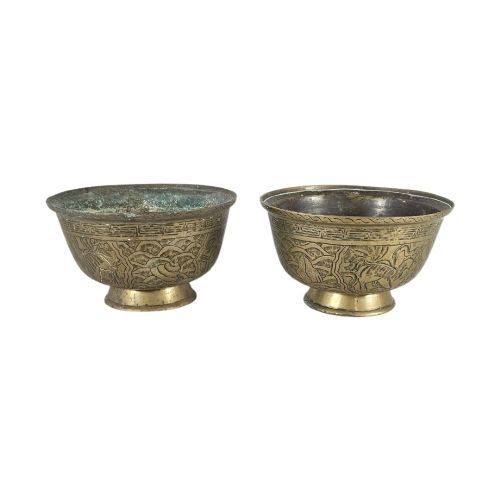
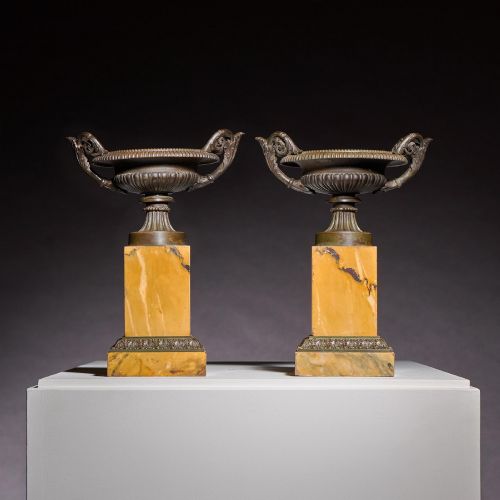
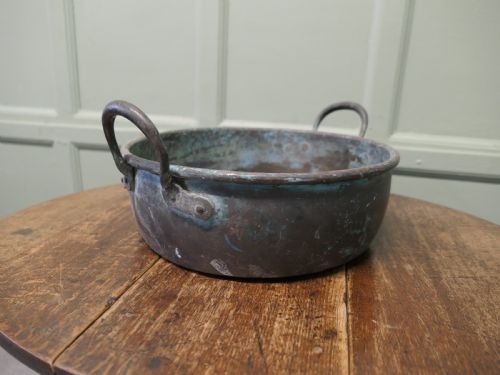
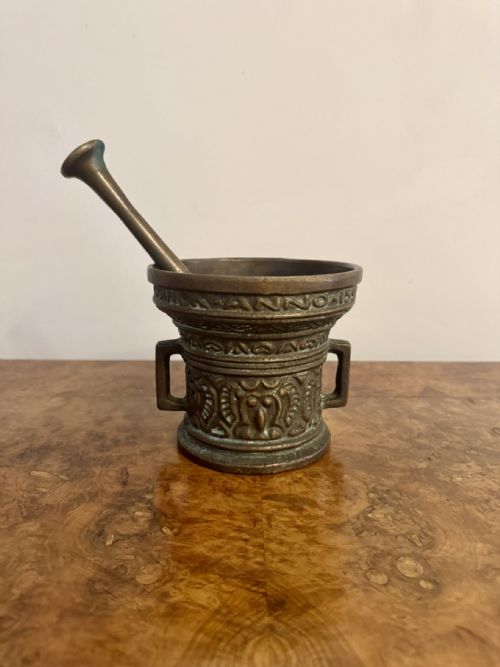


Patinated Metal Bowl
A patinated metal bowl brings depth and tactile weight to a room, ranging from utilitarian kitchen copper to ritual Chinese bronze.
Patinated Metal Bowl
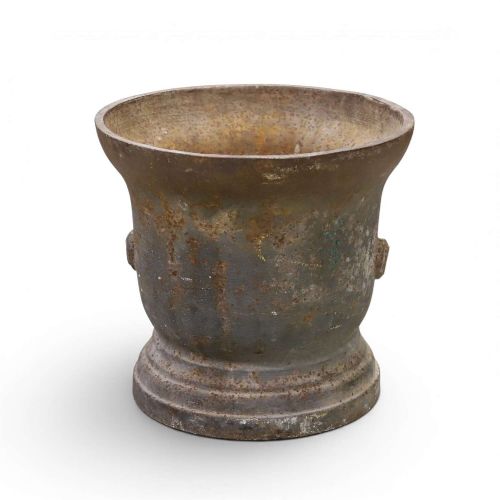
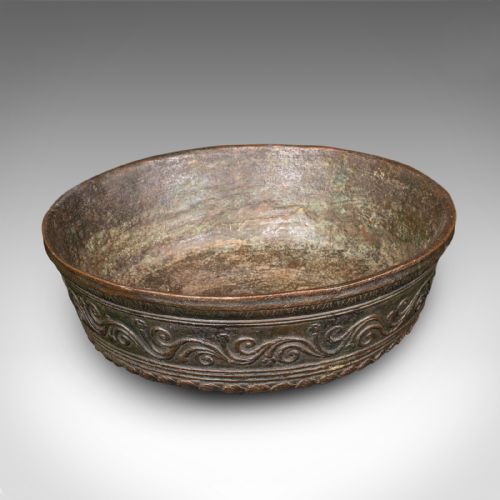
A patinated metal bowl encompasses a diverse array of functional and decorative vessels shaped from bronze, copper, iron, and brass across several centuries. When exploring patinated metal bowl options, buyers encounter everything from heavy kitchen preserving pans and apothecary mortars to ritual censers and ornate French centrepieces.
The selection ranges from early Chinese tripod vessels and Japanese planters bearing traditional marks to European Grand Tour crystal combinations and Gothic revival designs. Utilitarian kitchenware sits alongside scholar's studio pieces, offering varied forms shaped by their original domestic or ritual purposes.
How they were made
Metalworking techniques vary according to origin and era, utilising casting methods for heavy bronze censers and mortars alongside hammered or beaten construction for large copper preserving pans. Molten metal poured into moulds created thick, durable walls for ritual vessels, while domestic copper required skilled hammering to shape single sheets into smooth, functional pans.
Surface finish relies upon natural oxidation or deliberate chemical treatment to achieve the characteristic patination, sometimes enhanced with inlaid silver details or gilt bronze mountings. Artisans finished cast items by hand, smoothing rough seams and chiselling surface motifs such as taotie masks or floral garlands.
Patinated Metal Bowl Retail Price Guide 2026
Typical asking prices for patinated metal bowl among the pieces listed under this phrase on Sellingantiques today, from the lower quarter to the upper quarter. They describe what is for sale here now, not the wider market.
A French bronze sculpture of a vase of roses proves that even hard metal can occasionally be coaxed into blooming.
What varies in quality
Quality reveals itself in the thickness of the metal, the crispness of chased or cast details, and the stability of the patination built up over generations of handling. Superior examples display balanced proportions and deliberate craftsmanship, whether in the severe lines of a utilitarian mortar or the intricate relief work of a French centrepiece.
The integrity of the material matters greatly, distinguishing honest wear from modern alteration. Pieces retaining their original surface finish without heavy intervention command greater appreciation among collectors who value authentic age.
The Patinated Metal Bowl Glossary
- Patination
- The surface alteration or coloration developed through age, handling, and oxidation. This natural skin protects the metal and indicates genuine antiquity.
- Censer
- A vessel designed for burning incense. These often feature tripod legs and pierced lids, common in Asian metalwork.
- Mortar
- A heavy bowl in which substances are crushed or ground with a pestle. Surviving examples are frequently cast from iron or bronze.
- Centrepiece
- A large decorative dish or ornament placed in the middle of a dining table. French examples often incorporate cast bronze and cut crystal.
Patinated Metal Bowl: Frequently Asked Questions
How do I clean a metal bowl?
Active cleaning should be approached with extreme caution to preserve the historic surface skin.
Dusting with a dry, soft cloth is generally sufficient; harsh chemical polishes will strip away the patination entirely.
Can I use an old mortar for food?
Many antique mortars and copper pans were designed for culinary or apothecary use in kitchens.
However, historic metals may contain lead or other impurities, making modern food preparation inadvisable.
How do I date a bronze bowl?
Dating relies upon stylistic markers, casting methods, and any maker marks or reign stamps present on the piece.
Comparing the patination and wear patterns to documented examples from periods like the Meiji or Qing dynasty helps confirm origin.
Where should I display a heavy bowl?
Heavy pieces require sturdy furniture capable of supporting considerable weight, particularly large copper pans or thick bronze vessels.
Placement should avoid direct moisture and extreme temperature fluctuations to protect the metal surface.