




Patinated Bronze Warrior Sculpture
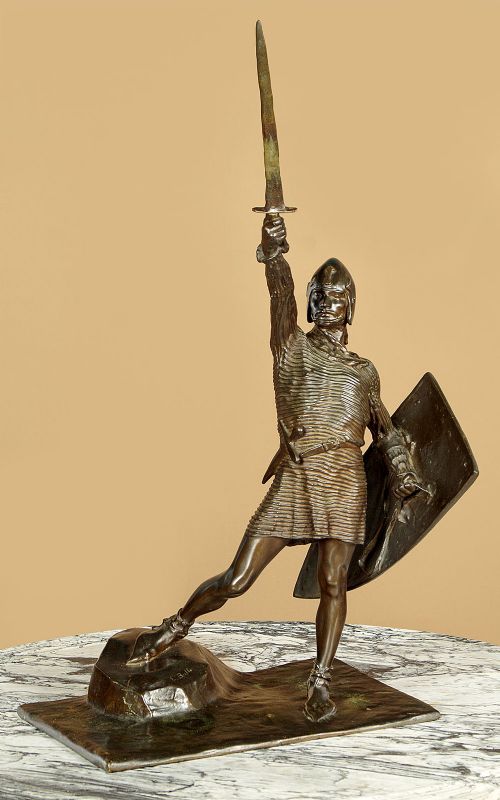
A patinated bronze warrior sculpture captures historical strength and sculptural ambition, bringing classical heroism and period foundry skill into a room.
Patinated Bronze Warrior Sculpture
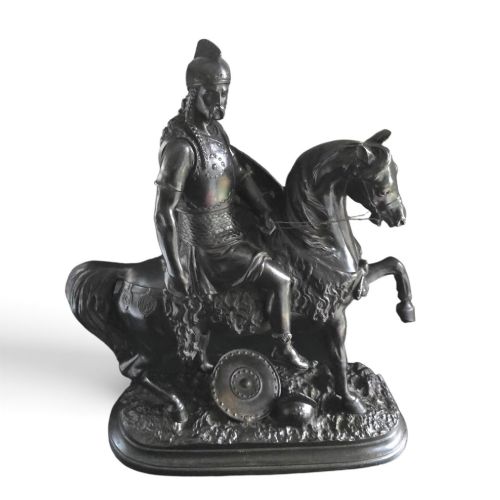
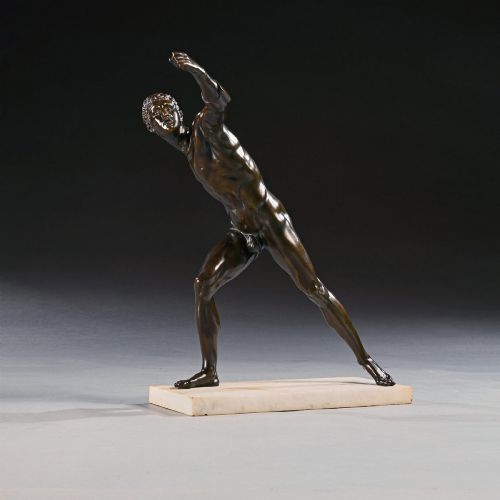
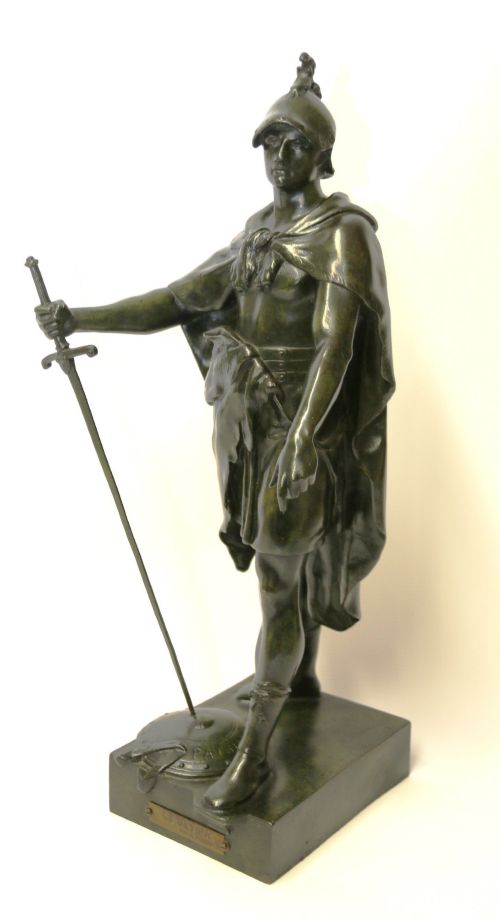
A patinated bronze warrior sculpture portrays historical commanders, mythological fighters, and medieval knights cast during the nineteenth century. These works frequently draw on classical antiquity, Renaissance subjects, and French academic traditions.
Buyers will encounter subjects ranging from Roman gladiators and Greek kings to Celtic queens and Arabian sentinels. Many examples reflect the grand tour taste of nineteenth-century collectors acquiring mementos of European travels.
Materials and casting methods
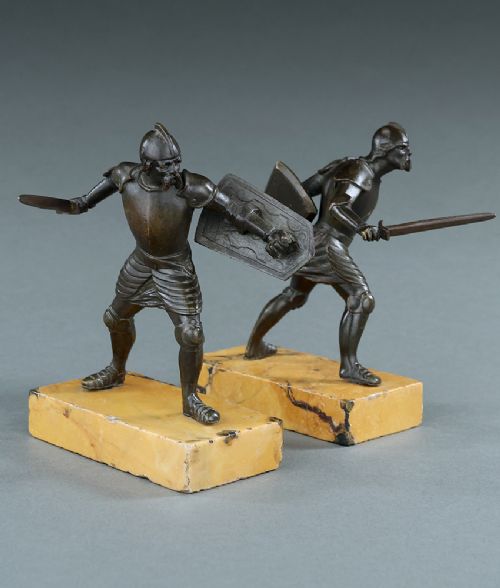
Foundries utilised traditional bronze casting methods to produce detailed figures, often finishing the metal with a deliberate dark patina. Marble bases, including sienna variants, frequently support these heavy metallic sculptures.
Alternative compositions involve patinated metal and spelter, particularly in Victorian interpretations. These materials allowed workshops to replicate complex armour, drapery, and weaponry with considerable precision.
Patinated Bronze Warrior Sculpture Retail Price Guide 2026
Typical asking prices for patinated bronze warrior sculpture among the pieces listed under this phrase on Sellingantiques today, from the lower quarter to the upper quarter. They describe what is for sale here now, not the wider market.
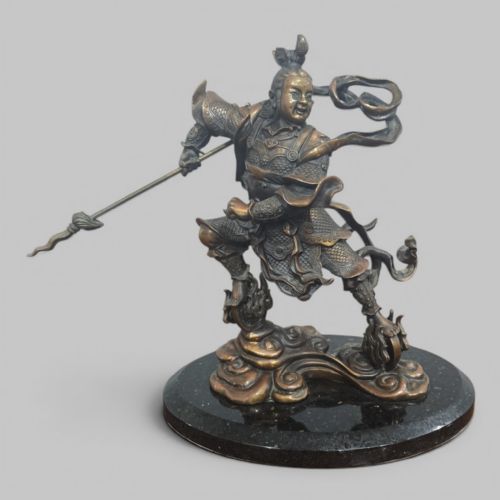
Saladin and King Clovis share shelf space with Ne Zha and Red Indian warriors.
The markers of execution
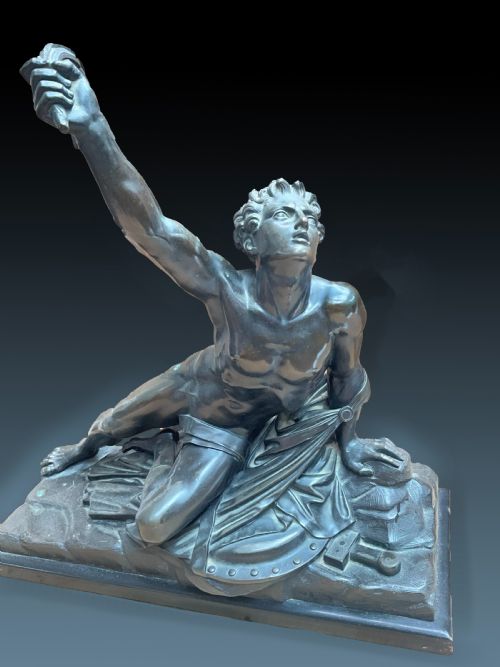
Quality rests in the crispness of the chasing and the depth of the dark patina. Superior examples retain fine facial expressions, intricate armour detailing, and sharp musculature without losing definition in the casting process.
Proportion and stance dictate the visual impact of the piece, especially in large-scale equestrian works and duelling pairs. Well-balanced composition and stable mounting on marble plinths distinguish superior workshop output.
Théodore Gechter·Émile Louis Picault·Raoul Francois Larche·Emile Laporte·J. Angles
The Patinated Bronze Warrior Sculpture Glossary
- Patinated bronze
- Bronze treated with chemical solutions to produce a darkened or coloured surface layer. This finish protects the metal and accentuates sculptural contours.
- Grand tour
- Extended journeys through Europe undertaken by nineteenth-century travellers who collected art and antiquities. Bronzes from this context often reproduce famous classical statues.
- Spelter
- An alloy of zinc and lead cast as a less expensive alternative to bronze. Victorian manufacturers utilised it extensively for sculptural figures.
- Chasing
- The manual refinement of a cast metal surface using hammers and punches. Skilled artisans used this process to sharpen details and remove casting flaws.
- Sienna marble
- A yellow-to-brown decorative stone quarried in Italy. It frequently appears as a contrasting base material for nineteenth-century cabinet bronzes.
Patinated Bronze Warrior Sculpture: Frequently Asked Questions
How do I identify a nineteenth-century cast?
Examine the weight, the complexity of the chasing, and the depth of the dark patina. Nineteenth-century founders prioritized sharp anatomical detail and substantial metal thickness.
Look for signature engravings on the bronze base and the integration with marble plinths. These characteristics indicate period workshop production rather than later reproduction.
Where should I display a heavy bronze?
Place large figures on sturdy console tables, pedestals, or dedicated sculpture stands. Because many pieces incorporate heavy bronze and marble bases, structural support is essential.
Keep the sculpture away from direct heat sources and moisture to protect the patinated surface from unnecessary wear.
What is a grand tour bronze?
Grand tour bronzes are small or cabinet-scale sculptures purchased by travellers touring historical sites in Italy and France. They typically reproduce renowned classical or Renaissance monuments.
These pieces served as educated souvenirs and decorative statements for Victorian libraries and drawing rooms.
How do I care for patinated bronze?
Dust the surface regularly with a soft, dry cloth to prevent particulate accumulation. Avoid applying abrasive cleaners, oils, or waxes that might alter the chemical patina.
Stable indoor humidity levels help preserve both the metal surface and any associated stone bases.