





Antique Bronze Warrior Figurine
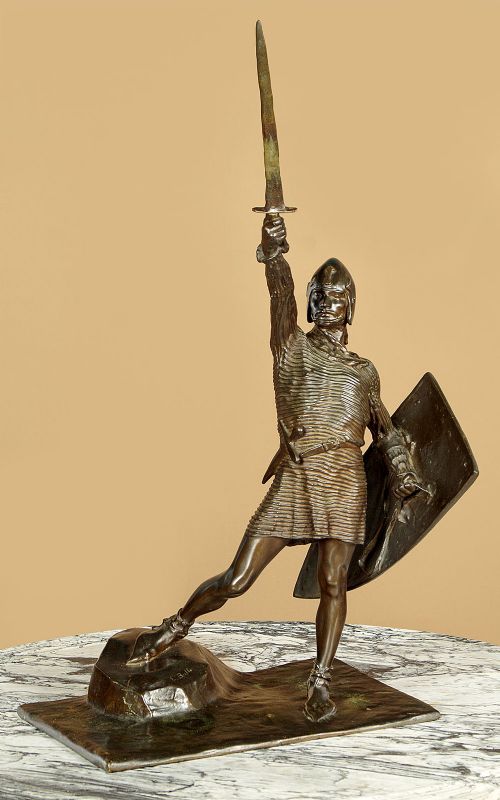
An antique bronze warrior figurine brings dramatic classical heroism into a room, capturing historical combatants from Roman legionaries to Celtic chiefs.
Antique Bronze Warrior Figurine
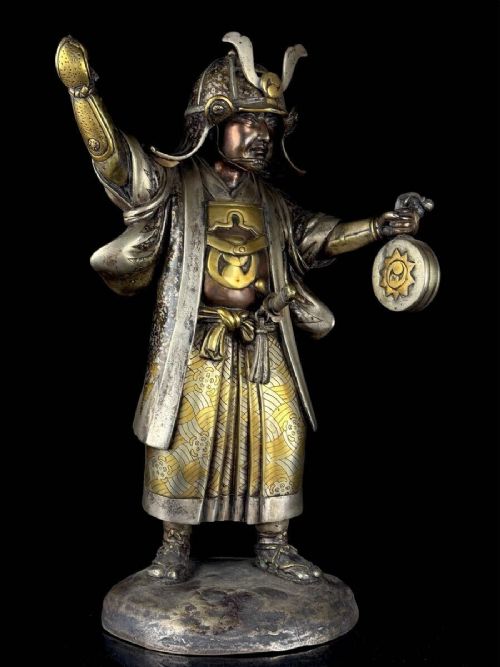
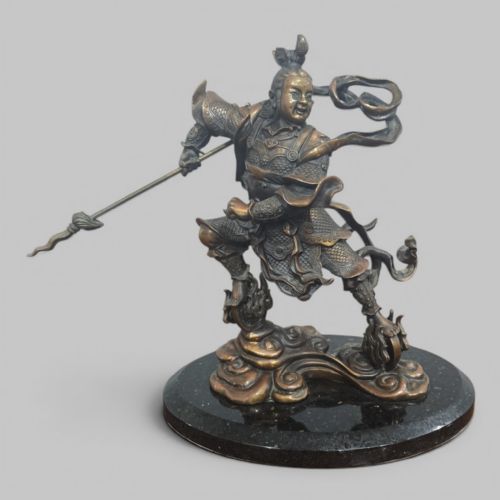
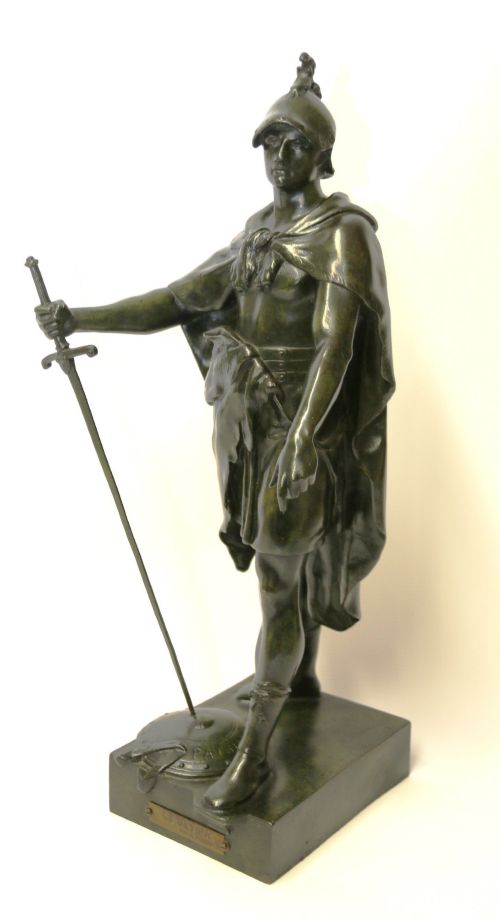
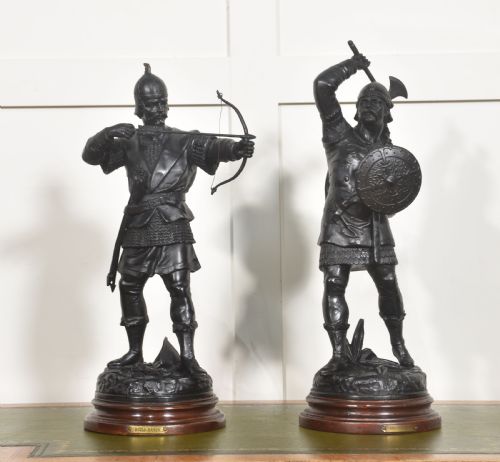
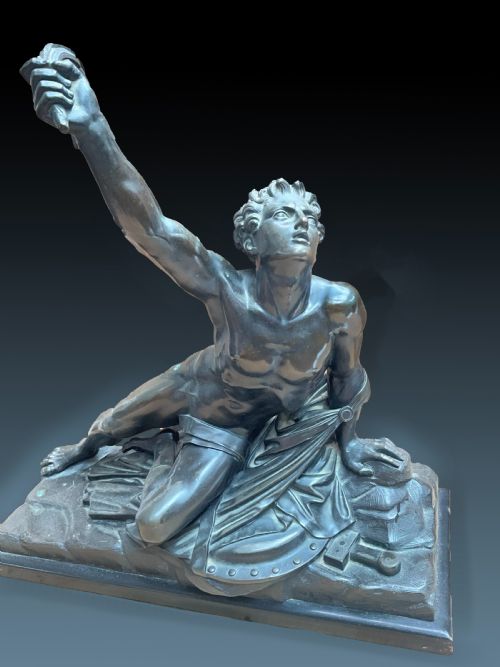
When someone searches for an antique bronze warrior figurine, they encounter a diverse range of interpretations spanning classical antiquity, medieval chivalry, and exotic orientalism. The pieces available here encompass figures ranging from Greek heroes like Ajax to Roman soldiers, French academics, and Japanese historical figures.
Most examples date from the nineteenth century, reflecting a period deeply fascinated by military history, mythology, and Grand Tour travel souvenirs. Buyers frequently meet representations of named historical and mythological figures, including Queen Boadicea, Saladin, and Ōishi Yoshio, cast with considerable sculptural detail.
The forms vary from intimate cabinet sculptures to substantial standing statues, often mounted on integral bronze bases or fitted plinths. Stylistically, works draw upon classical revival, neoclassical, and gothic revival traditions, capturing dramatic narrative moments of victory, vigilance, or defeat.
Materials and casting methods
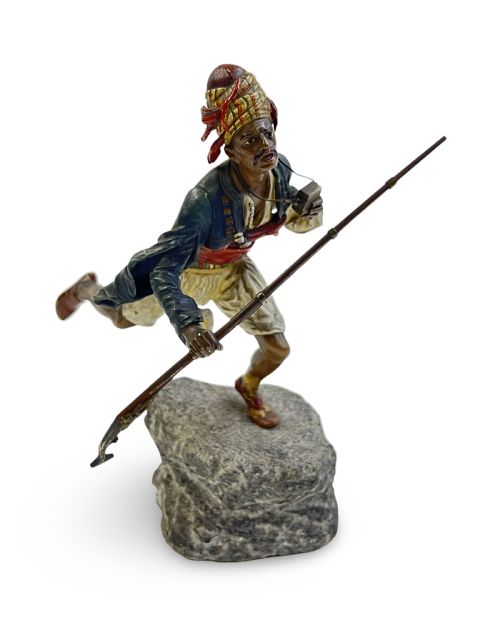
The primary material across these pieces is bronze, frequently finished with rich patination to accentuate muscular definition, armour plates, and drapery. Certain works incorporate cold-painting techniques, introducing polychrome colour to fabrics and ornamentation, while others utilise marble or wood for supporting bases.
Antique Bronze Warrior Figurine Retail Price Guide 2026
Typical asking prices for bronze warrior figurine among the pieces listed under this phrase on Sellingantiques today, from the lower quarter to the upper quarter. They describe what is for sale here now, not the wider market.
Listings feature nineteenth-century bronze and spelter sculptures spanning classical revival, neoclassical, and orientalist styles.
Distinctions in craftsmanship and design
Quality in these figures rests primarily upon the crispness of the casting and the sensitivity of the finishing handwork. Superior examples retain sharp relief in armour, legible facial expressions, and dynamic anatomical proportions without softness in the metal.
The reputation of the foundry or the individual sculptor significantly influences the caliber of a piece, separating standard commercial output from signed artistic works. Furthermore, the complexity of the subject matter, the depth of the patination, and the integrity of any associated marble base distinguish finer library bronzes from simpler decorative castings.
Émile Louis Picault·Franz Xaver Bergman·Raoul Francois Larche·Eden Antony Paul Noel
The Antique Bronze Warrior Figurine Glossary
- Patination
- The chemical treatment or natural ageing process that colours the surface of bronze. This layer protects the metal and enhances visual depth.
- Cold-painted
- A method where paint is applied to cured bronze without subsequent firing. This technique is characteristic of specific Viennese workshops.
- Grand Tour
- A cultural journey undertaken by nineteenth-century elites collecting souvenir bronzes. These miniature reductions replicated famous classical statues.
- Spelter
- A zinc alloy frequently utilised as a less expensive alternative to bronze. It mimics the appearance of heavier metal when painted or bronzed.
- Lost-wax
- A casting method involving a wax model melted from a mould to create a hollow metal sculpture. This technique permits intricate undercuts.
Antique Bronze Warrior Figurine: Frequently Asked Questions
What periods do these warrior figures date from?
The majority of pieces originate from the nineteenth century, reflecting the Victorian appetite for historical revivals and classical sculpture.
Craftsmen drew inspiration from ancient Rome, medieval chivalry, and exploration eras, producing detailed figures throughout the eighteen-eighties and eighteen-nineties.
How were these bronze figures displayed originally?
These sculptures were designed as library ornaments, desk accessories, or cabinet pieces intended for close inspection in studies and drawing rooms.
Many incorporated fitted marble bases to provide stability and visual weight when placed upon wooden furniture.
What is a cold-painted bronze?
Cold-painting involves applying polychrome oil paint directly onto the surface of a bronze sculpture after casting. Unlike fired enamels, this delicate pigment sits on the metal.
Vienna workshops specialised in this vibrant finishing technique, particularly for orientalist subjects.
How do I distinguish bronze from spelter?
Bronze is a heavy copper alloy that develops a warm metallic resonance and a durable patination over time. Spelter is a softer, lighter zinc-based metal.
Examining the underside or base often reveals the paler grey metal colour characteristic of spelter beneath worn surface finishes.