




Patinated Bronze Plinth
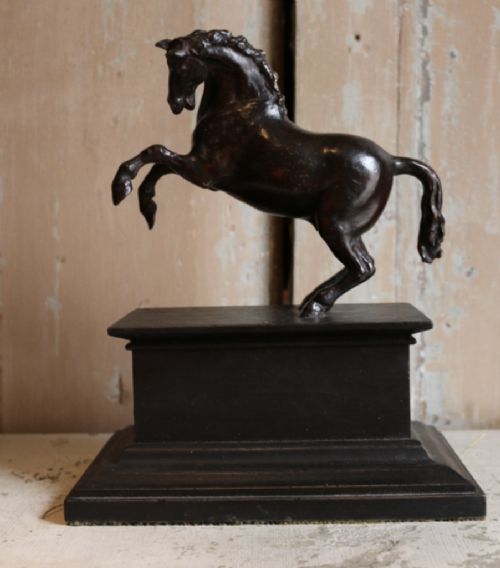
A patinated bronze plinth supports classical figures and architectural forms, anchoring metal sculpture with weight and dark, chemical colour.
Patinated Bronze Plinth
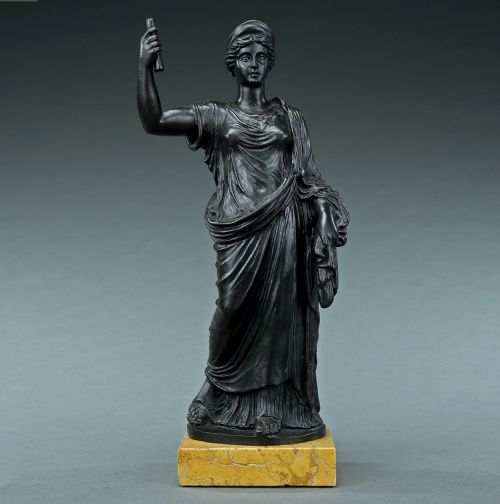
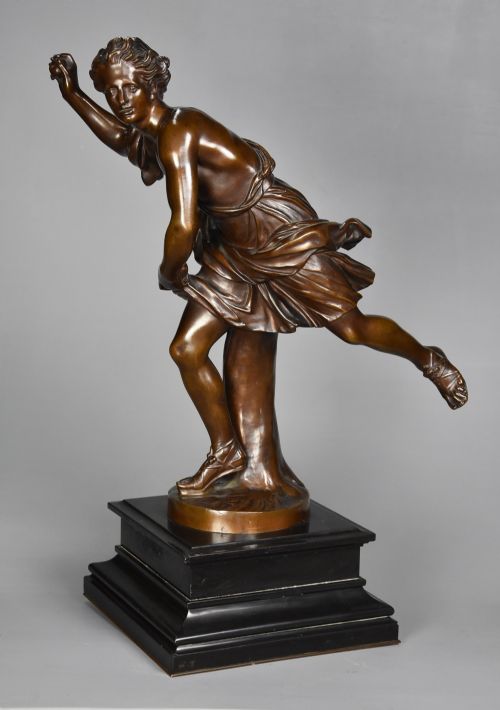
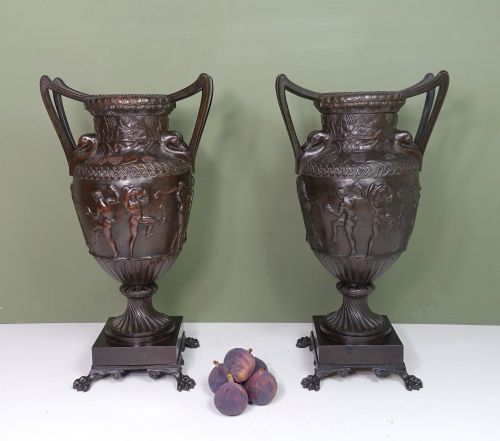
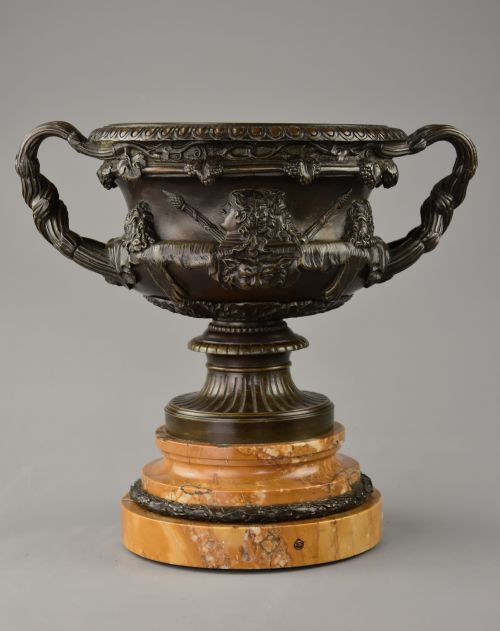
A patinated bronze plinth serves as the solid base beneath sculptural figures, urns, and architectural models found in this collection. These pieces draw heavily on Neoclassical, Art Deco, and Grand Tour traditions, translating classical antiquity into tabletop and monumental formats.
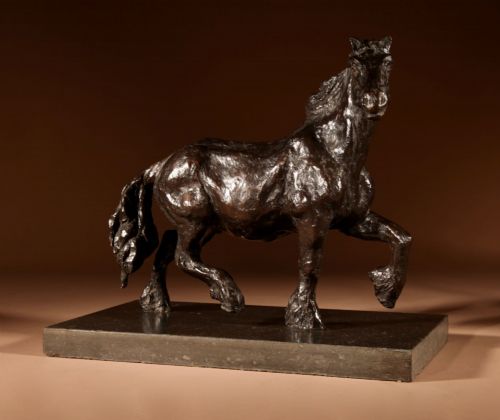
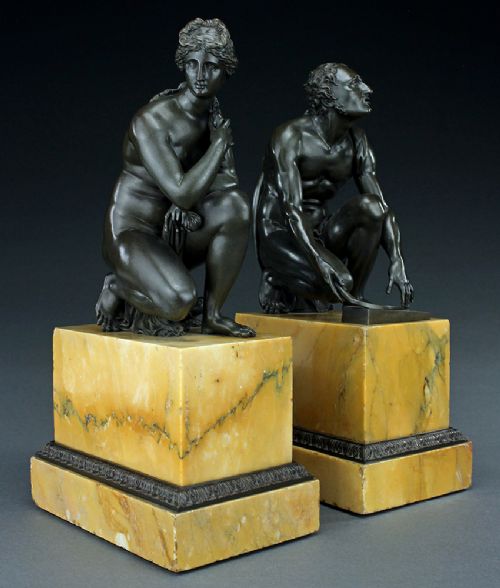
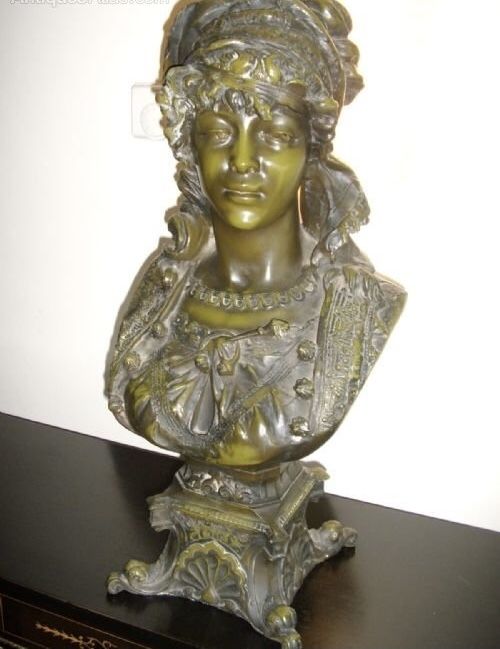
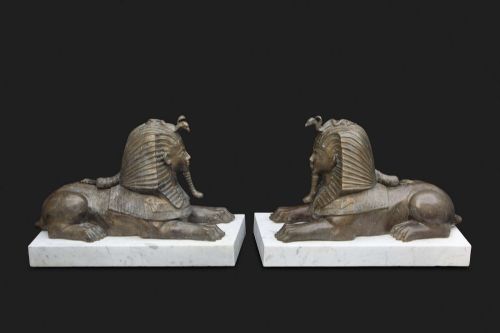
The objects take the form of mythological deities, historical figures, and decorative vessels cast in bronze or spelter. Many figures stand or sit directly upon marble, stone, or ebonised wood stands that elevate the metalwork.
Nineteenth-century examples dominate the selections here, often reflecting archaeological discoveries and classical revivals in European workshops. Buyers encounter everything from small souvenir reductions of famous statues to large companion pairs of lions and sphinxes.
How they were made
Foundries utilised traditional casting methods to capture fine details in bronze, spelter, and brass before applying chemical treatments to darken the metal surface. This patination creates deep brown, black, or greenish tones that mimic the ageing of ancient artefacts.
Makers mounted completed metal castings onto bases of marble, stone, and wood using threaded bolts or pins secured underneath. The contrast between polished or veined stone and the dark, textured bronze defines the physical presence of each piece.
Styles span Neoclassical, Art Nouveau, Art Deco, Grand Tour, and Egyptian Revival design movements.
What varies in quality
The crispness of the chasing and finishing work separates superior castings from softer, more generalized production pieces. Skilled artisans hand-finished the metal after casting, sharpening hair, drapery, and facial expressions.
The choice of base materials also distinguishes the range, as dense marbles and inlaid woods provide greater stability and visual weight than simpler wooden or metal plinths.
Barbedienne·Renee Sintenis·Henry Wissen Senior·Aristide Maillol·Giambologna
The Patinated Bronze Plinth Glossary
- Patinated bronze
- Bronze treated with chemical solutions to produce a controlled surface colour and aged appearance. This layer protects the metal and defines the visual mood of the sculpture.
- Plinth
- A heavy rectangular or stepped base supporting a statue, vase, or column. It provides physical stability and visual separation from the surface below.
- Grand Tour
- A nineteenth-century cultural tradition where travellers collected small bronze reductions of classical antiquities in Italy. These souvenirs replicated famous museum sculptures for private display.
- Spelter
- A zinc alloy frequently used as a cheaper alternative to bronze in nineteenth-century decorative figures. It takes patination well but possesses a lighter weight and softer structure.
- Campana urn
- A classical bell-shaped vessel with flared rims and handles, often mounted on a square plinth base. Ancient ceramic and stone prototypes inspired these decorative metal iterations.
Patinated Bronze Plinth: Frequently Asked Questions
What is a patinated bronze plinth?
A patinated bronze plinth is a darkened metal base designed to support and elevate a sculpture or decorative object.
These integrated or separate bases give small bronzes physical presence and architectural balance.
How do I clean patinated bronze?
Dust the surface gently with a soft, dry brush and avoid chemical cleaning agents that strip the dark patina.
Applying a very light coat of microcrystalline wax preserves the finish against moisture and handling.
Are these pieces solid bronze?
Many figures and bases combine solid cast bronze with marble plinths, while some decorative items utilise spelter.
Checking the weight, coldness to the touch, and underside helps identify the primary metal used in the casting.
Where were these sculptures made?
European foundries, particularly in France and Italy, produced the vast majority of nineteenth-century Grand Tour and Neoclassical bronzes.
Foundry marks and signatures stamped into the metal often indicate the specific workshop of origin.