


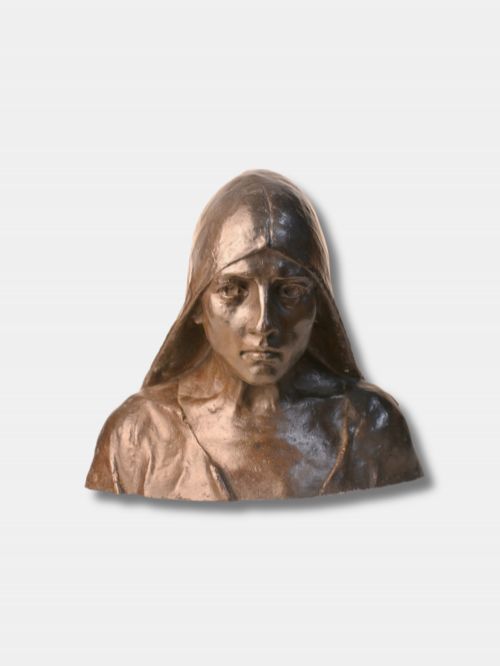


Patinated Bronze Head
A patinated bronze head brings classical gravity and intricate metalwork into a room, offering sculptural portraits and mythological figures from centuries past.
Patinated Bronze Head
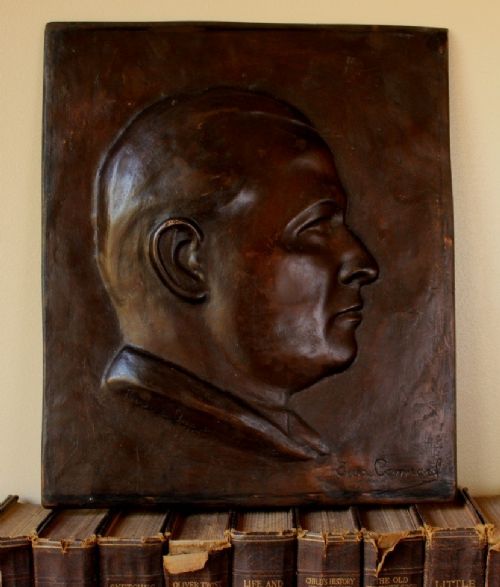
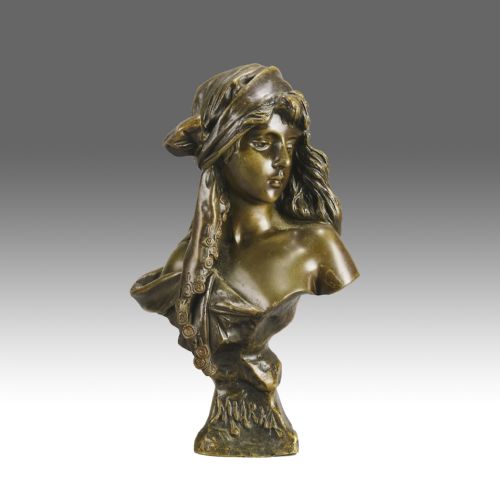
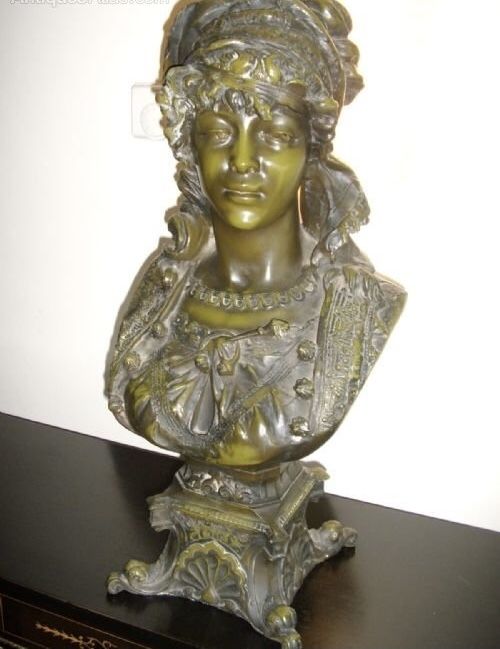
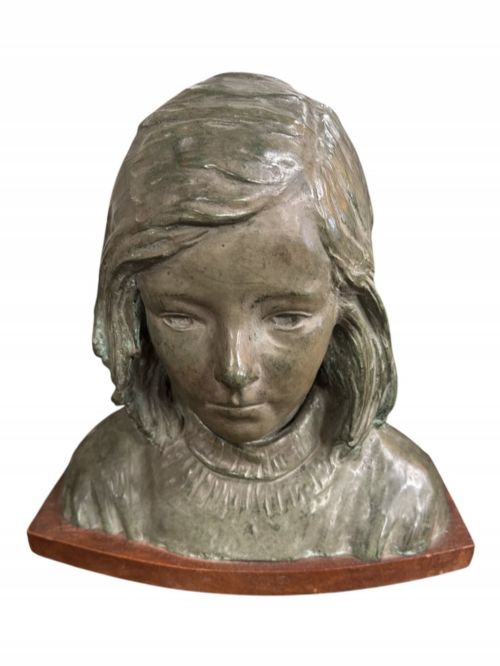
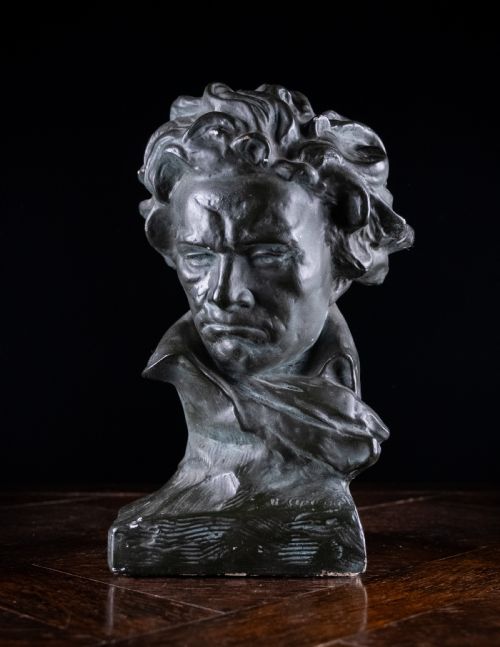
A search for a patinated bronze head introduces a diverse gathering of portrait busts, classical studies, and sculptural fragments from multiple eras. Buyers encounter pieces ranging from nineteenth-century Grand Tour souvenirs to early twentieth-century portraits.
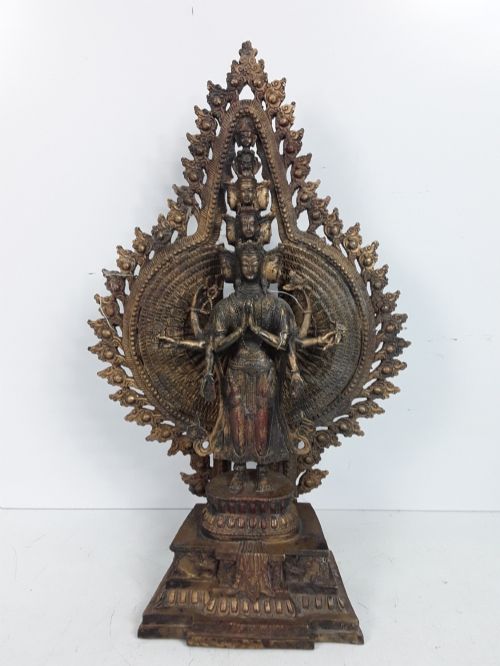
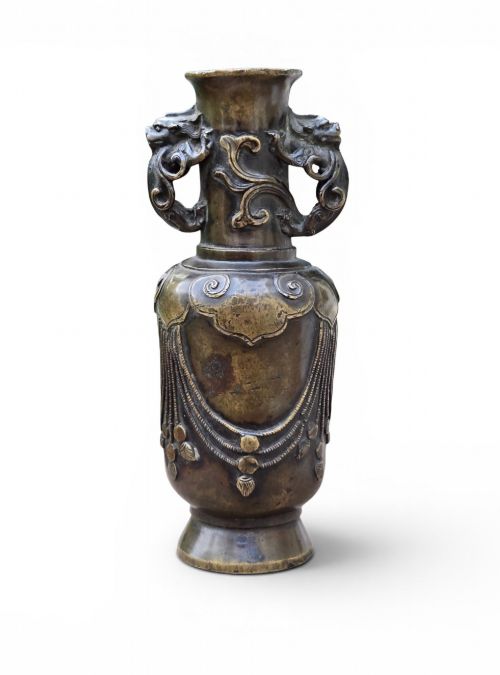
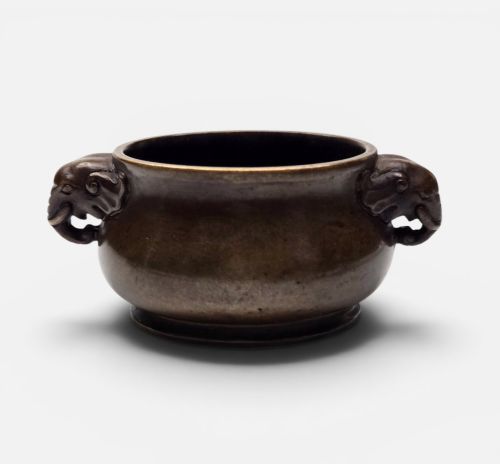
The objects take several distinct forms, including freestanding portrait busts of historical figures, mythological deities, and literary characters. Sculptures extend beyond human likenesses to incorporate animal forms such as ram and elephant heads integrated into functional objects.
Origins span European workshops, particularly French and Italian foundries, alongside Asian bronze casting traditions. The selection balances monumental classical interpretations with intimate cabinet pieces.
Materials and casting methods
Alternative sculptural media appear alongside metalwork, including painted plaster, terracotta, and carved wood. These materials received surface treatments and patination to emulate the appearance of aged bronze.
Listings feature works spanning from the seventeenth century through the 1940s, executed in bronze, plaster, terracotta, and wood.
Assessing craftsmanship
The depth and uniformity of the patination layer contribute significantly to the visual success of the piece. Controlled chemical applications create stable surfaces that enhance the sculptural contours without obscuring the underlying metal.
Emmanuel Villanis·Mathurin Moreau·George Minne·Adolphe Jean Lavergne
The Patinated Bronze Head Glossary
- Patination
- The chemical or natural alteration of a metal surface over time. This process produces distinctive coloration ranging from deep brown to green verdigris.
- Grand Tour
- A nineteenth-century tradition of travel through Europe where collectors acquired bronze souvenirs. These pieces typically reproduced classical antiquity and Renaissance sculpture.
- Chasing
- The manual finishing of a metal casting with chisels and punches. This step refines surface details and removes casting imperfections.
- Verdigris
- A green patina formed naturally on copper, brass, or bronze through atmospheric exposure. Nineteenth-century Italian bronzes often replicated this aged appearance deliberately.
Patinated Bronze Head: Frequently Asked Questions
What is a Grand Tour bronze?
A Grand Tour bronze is a nineteenth-century souvenir cast in Europe for travellers studying classical art and architecture.
These reductions of famous antiquities allowed collectors to bring museum-scale sculptures into private libraries and studies.
How do I care for patinated bronze?
Maintenance requires gentle dusting with a soft dry cloth to prevent particulate buildup on the metal surface.
Harsh chemical cleaners and abrasive cloths must be avoided because they strip the applied patination layer.
What distinguishes patinated bronze from bronzed metal?
Patinated bronze consists entirely of a copper alloy that has received a surface treatment to alter its colour.
Bronzed metal describes a different base metal, such as iron or plaster, coated with a metallic finish to simulate solid bronze.
How do I date an antique bronze bust?
Dating relies on stylistic markers, casting technology, mounting materials, and any signatures or foundry marks present on the base.
Nineteenth-century works often reflect neoclassical revival trends or academic realism distinct from later twentieth-century modernism.