





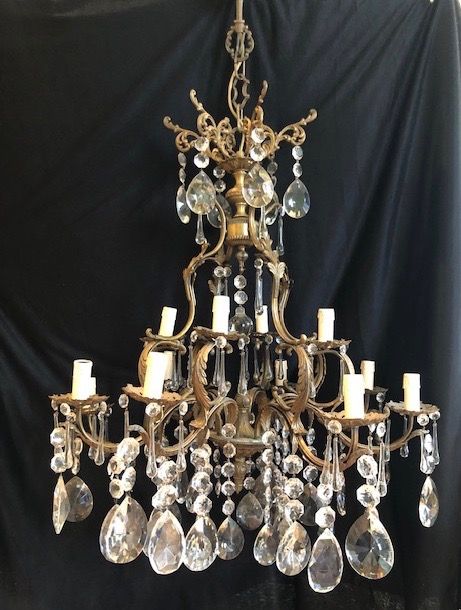
Patinated Brass Chandelier
A patinated brass chandelier brings dark, tactile metalwork and commanding illumination to high-ceilinged rooms.
Patinated Brass Chandelier
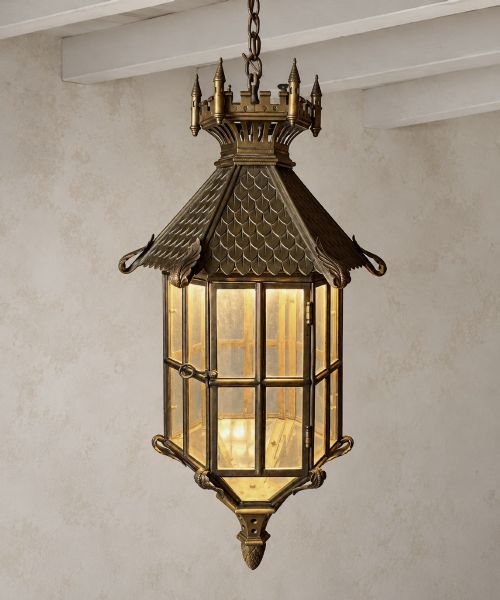
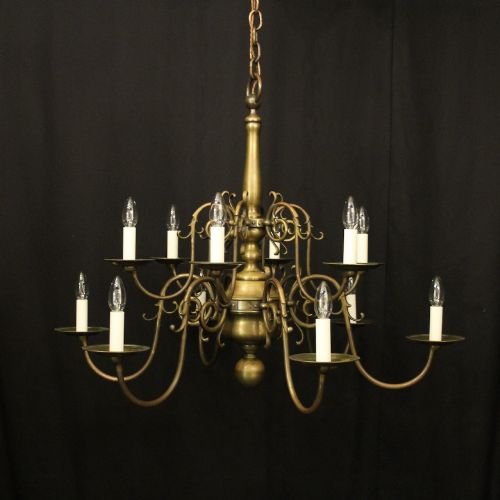
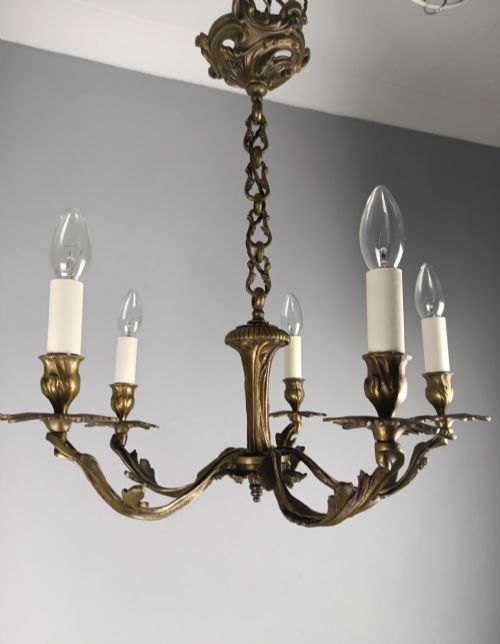
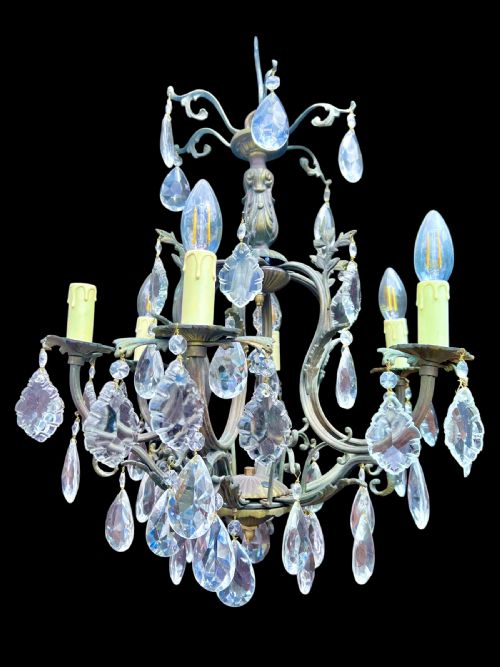
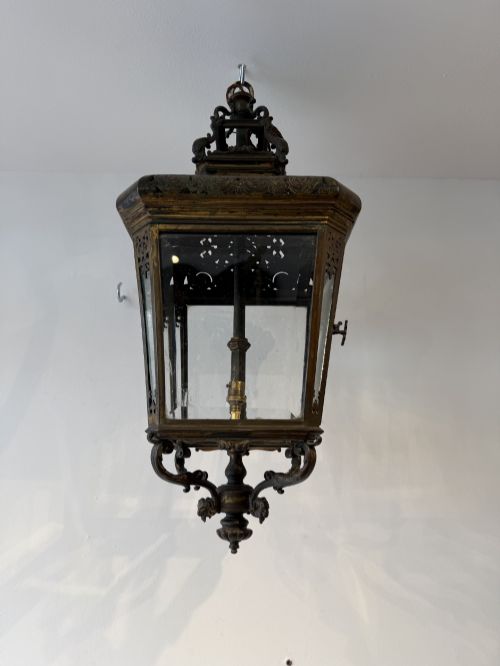
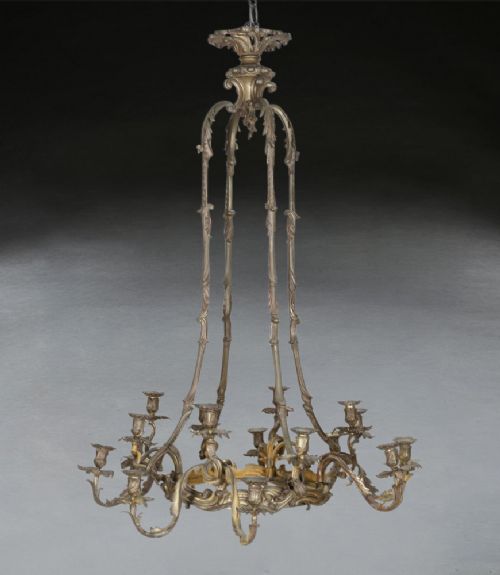
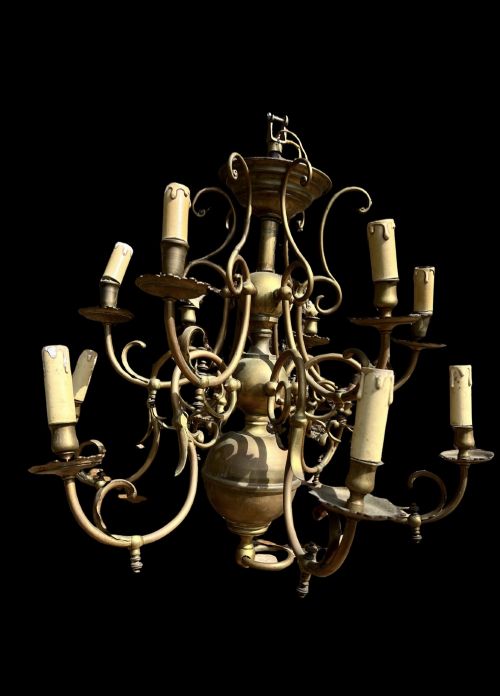
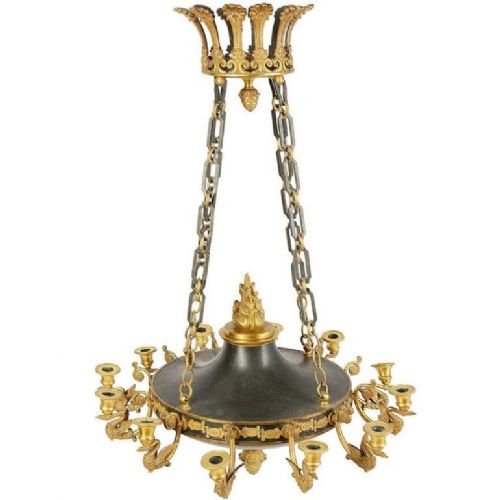
A patinated brass chandelier sits within a diverse gathering of metal hanging lights spanning the nineteenth and early twentieth centuries. These pieces encompass various forms including expansive multi-tiered fixtures, single-tier designs, hall lanterns, and hanging lanterns.
The objects seen here reflect several distinct stylistic influences such as French Empire, French Rococo, Gothic Revival, and Victorian. Buyers frequently encounter French dark bronze and brass lighting alongside substantial continental and Italian works.
Materials and construction methods
These fixtures rely heavily on cast bronze and brass frameworks, frequently complemented by glass and crystal elements. Metal components are worked into complex shapes, ranging from castellated crowns on hanging lanterns to multi-light frames.
Makers utilised dark finishes and patination techniques to age the metal surfaces deliberately. Many examples incorporate multiple tiers of lights and structural framing designed to support heavy candle or early gas configurations.
Patinated Brass Chandelier Retail Price Guide 2026
Typical asking prices for patinated brass chandelier among the pieces listed under this phrase on Sellingantiques today, from the lower quarter to the upper quarter. They describe what is for sale here now, not the wider market.
Listings feature items dated across the nineteenth century and the early decades of the twentieth century, specifically noting years eighteen-fifty, eighteen-ninety, nineteen-hundred, nineteen-twenty, and nineteen-thirty.
Assessing quality in antique metal lighting
Quality reveals itself in the crispness of the cast metal details and the structural integrity of multi-tiered frames. Superior examples display careful finishing on ornamental elements like crownwork and decorative mounts.
The depth and consistency of the patination differentiate standard production from finer workmanship. Heavier fixtures with complex arm arrangements and well-preserved glass components demonstrate superior original manufacturing standards.
The Patinated Brass Chandelier Glossary
- Patination
- The surface finish resulting from age and intentional chemical treatment. This dark or weathered coating gives the metal its distinctive antique appearance.
- Cast bronze
- Molten metal poured into a mould to create rigid structural or decorative parts. This technique allows for intricate ornamentation on chandelier frames.
- Gasoliere
- A lighting fixture specifically designed and manufactured for gas illumination during the nineteenth century. These often feature distinctive tubing and key valves.
- Tier
- A circular row of lights arranged horizontally on a chandelier frame. Multi-tiered examples stack these arrangements vertically to increase illumination capacity.
Patinated Brass Chandelier: Frequently Asked Questions
What periods do these chandeliers come from?
The available lighting dates primarily from the nineteenth century through the early decades of the twentieth century. Specific manufacturing dates span from eighteen-fifty up to nineteen-thirty.
Design influences range from Victorian and Gothic Revival styles to classical French Empire and Rococo traditions.
How were these large chandeliers originally used?
These fixtures hung in principal rooms, grand hallways, and entrance spaces of substantial properties to provide primary illumination. Their multi-light configurations served both functional and decorative purposes.
Earlier examples accommodated candles or gas burners before many were later adapted for electrical wiring.
How do I identify a hall lantern?
Hall lanterns typically feature enclosed glass panels or shaped metal cages designed for narrower vertical spaces like corridors and vestibules. They often incorporate decorative crowns or suspension loops.
Unlike standard chandeliers with outward-extending arms, these forms direct light through surrounding glazed or open metal panels.
What distinguishes French Empire lighting?
French Empire influenced pieces draw upon classical antiquity and military motifs popular during the early nineteenth century. They favour symmetry, architectural profiles, and restrained ornamentation.
These designs often utilise dark bronze surfaces paired with formal geometric arrangements of lights.