


Pastoral Sheep Art
Pastoral sheep art captures the quiet rhythm of rural life through painted flocks and shepherds across nineteenth and early twentieth century landscapes.
Pastoral Sheep Art
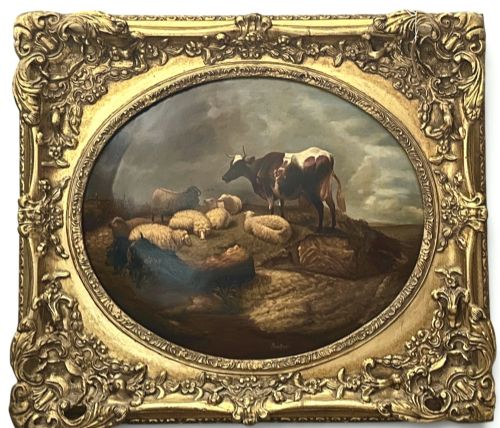
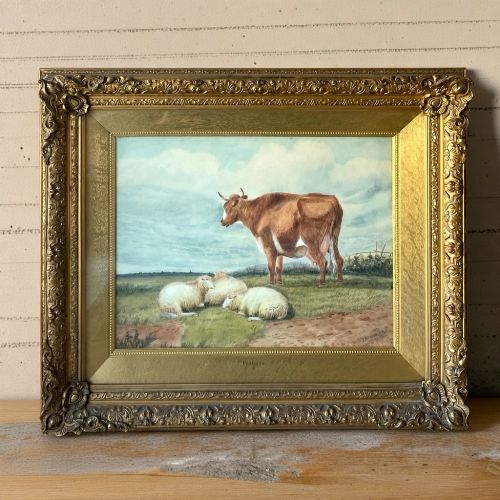
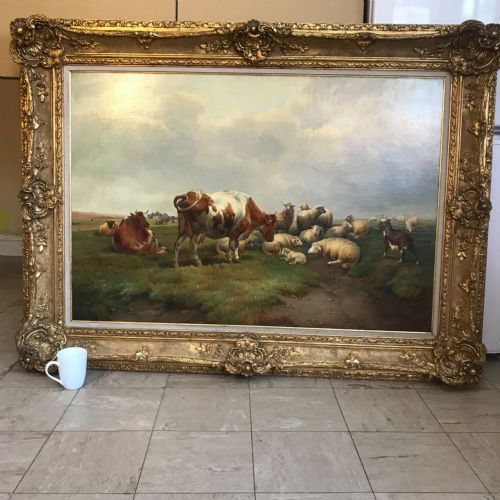
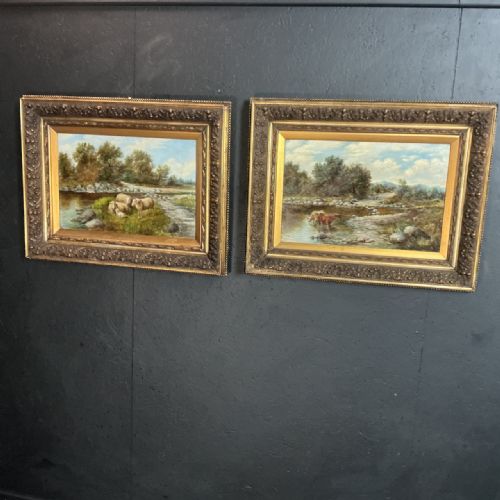
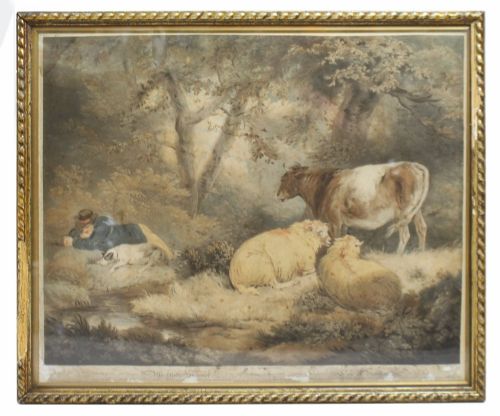
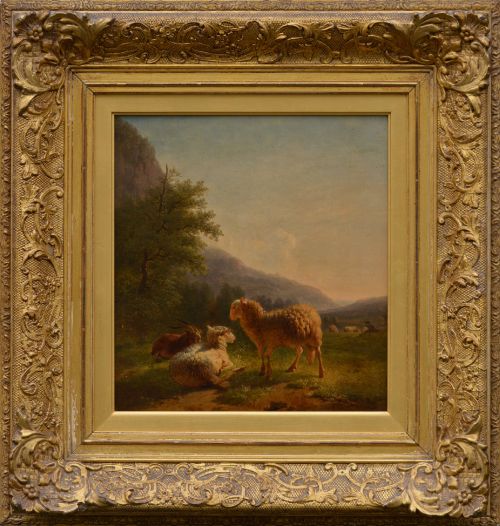
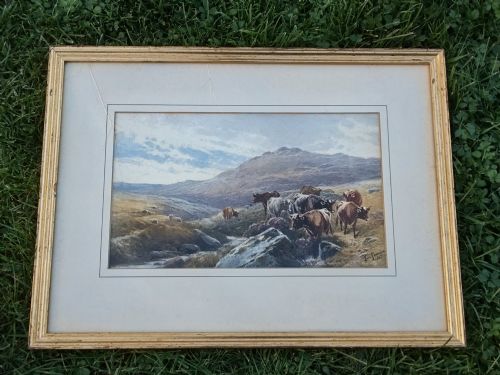
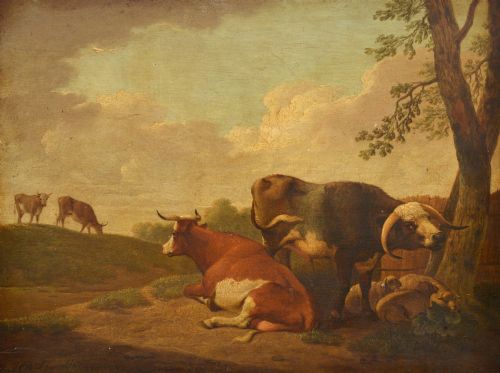
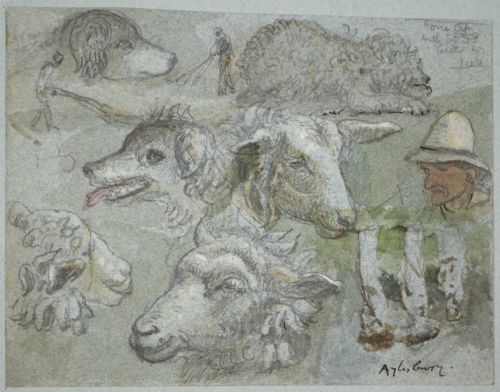
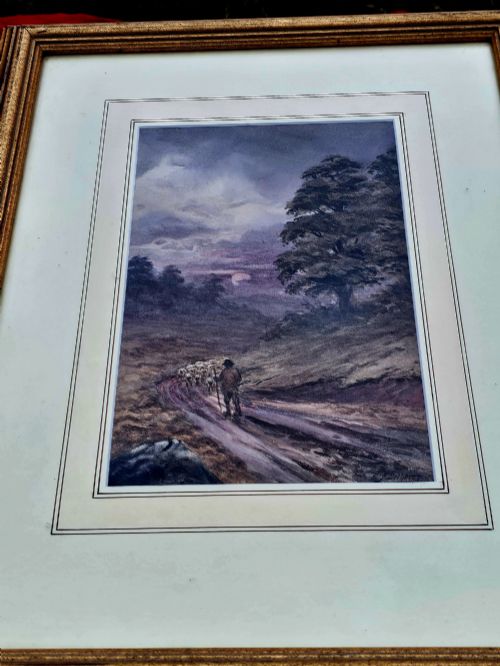
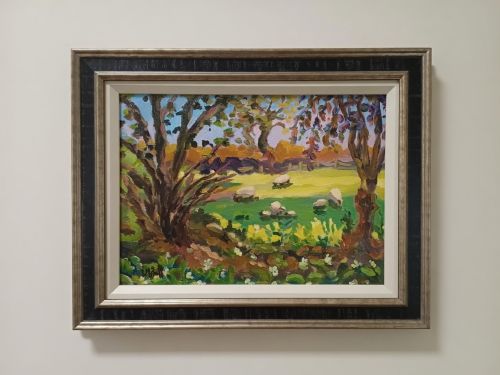
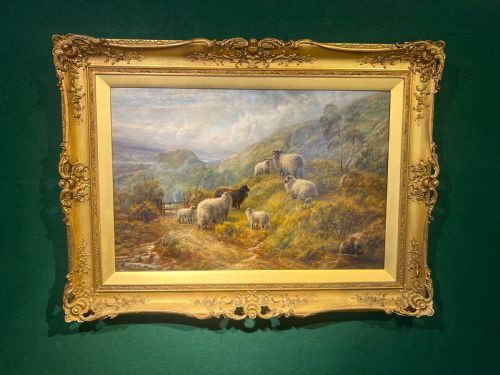
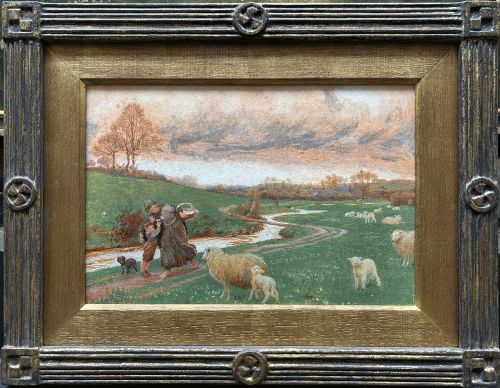
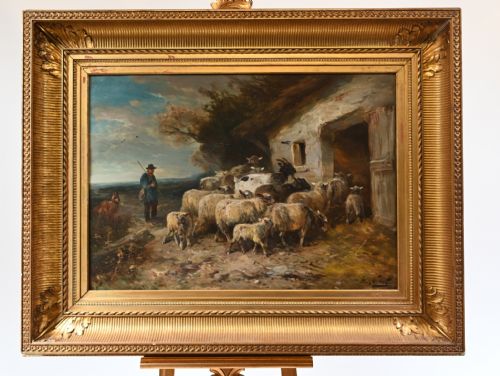
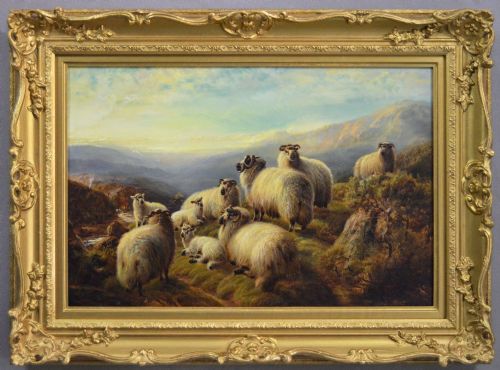
Pastoral sheep art encompasses framed oil paintings and watercolours depicting flocks grazing in meadows, highlands, and country lanes. These works record rural life through the lens of nineteenth-century realism, romanticism, and British impressionism.
Most pieces on this page originate from the Victorian and Edwardian eras, executed by British, Dutch, and Belgian artists. The typical composition places sheep at the centre of an open countryside or sheltered woodland setting.
Materials and Technique
Artists painted primarily with oil on canvas or wood panel, alongside detailed watercolours on paper. Canvas supports allowed for textured brushwork, while panels provided a rigid surface for smaller, precise compositions.
Many surviving pieces retain their original giltwood and gesso frames, which complement the traditional pastoral palette. Pigments were applied to capture natural light across fields, skies, and woolly fleeces.
Pastoral Sheep Art Retail Price Guide 2026
Typical asking prices for pastoral sheep art among the pieces listed under this phrase on Sellingantiques today, from the lower quarter to the upper quarter. They describe what is for sale here now, not the wider market.
Listings span the nineteenth century into the mid-twentieth century, featuring oil on canvas, watercolour, and wood panel.
Judging Quality
Quality rests upon the artist's ability to render the anatomy and texture of the animals convincingly within a balanced landscape. Stronger pieces display confident handling of light and atmosphere rather than mechanical repetition.
The integration of the flock into the surrounding topography distinguishes finer works from routine studio production. Original framing and clear provenance further elevate the standing of a piece.
Eugène Verboeckhoven·Tom Campbell·James Smetham·Hendrik Willem Schweickhardt·Lucy Pratt·Frederick Walker·Robert Watson·William Watson Jnr·Douglas Cameron·Henry Schouten·Owen Bowen·Cornelius Pearson·Henry Charles Fox·William Henry Mander·Thomas Sidney Cooper·Franz van Severdonck·William Sydney Cooper·Robert John Hammond·Willem Anton Alexander Knip·Eugene Joseph Verboeckhoven·Frederick W Jackson·Walter J Watson·James de Rijk·Lorenzo Headley·Bernard Walter Evans
The Pastoral Sheep Art Glossary
- Gesso
- A plaster-like mixture applied to wood frames before gilding. It provides a smooth base for decorative moulding.
- Giltwood
- Wood that has been coated with a thin layer of gold leaf. This finish frames many traditional oil paintings.
- Wood Panel
- A rigid flat support used by artists instead of canvas. It offers a stable surface for detailed brushwork.
- Watercolour
- A paint consisting of pigment suspended in a water-based solution. Applied to paper, it creates translucent washes of colour.
Pastoral Sheep Art: Frequently Asked Questions
What periods do these paintings come from?
These works date principally from the nineteenth and early twentieth centuries, spanning the Victorian and Edwardian periods. Artists painted during times when rural subjects held immense popularity among collectors.
Specific dates on listings often point to the mid-nineteenth century up through the nineteen-twenties. This era encompassed British impressionism and various regional schools of realism.
How were these artworks displayed?
Pieces were framed in ornate giltwood or gesso surrounds designed to hang in nineteenth-century domestic interiors. The heavy frames accentuated the depth of the pastoral scenes.
Present-day collectors continue to house these works in traditional frames, which protect the edges of the canvas or paper from environmental wear.
Where were pastoral scenes usually set?
Locations range from Scottish highlands and Welsh valleys to southern English lanes and continental pastures. Artists often sketched directly from nature before completing the final canvas in the studio.
Regional details like specific trees, cottages, or coastal elements help identify the exact geographic focus of individual compositions.
How do I care for an antique oil painting?
Keep paintings away from direct sunlight and dramatic shifts in temperature or humidity. This prevents the canvas from sagging and the paint layer from cracking.
Dust surfaces gently with a soft, dry brush and avoid chemical cleaners. Professional conservators should handle any deeper cleaning or varnish removal.