

Pastoral Scene Wall Art
Pastoral scene wall art captures idyllic rural life through traditional oil paintings, watercolours and tapestries designed to bring quiet countryside charm indoors.
Pastoral Scene Wall Art
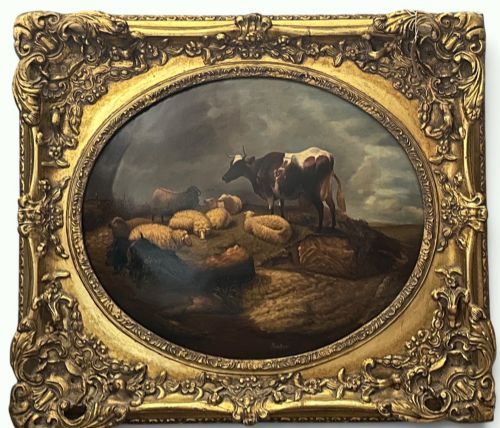
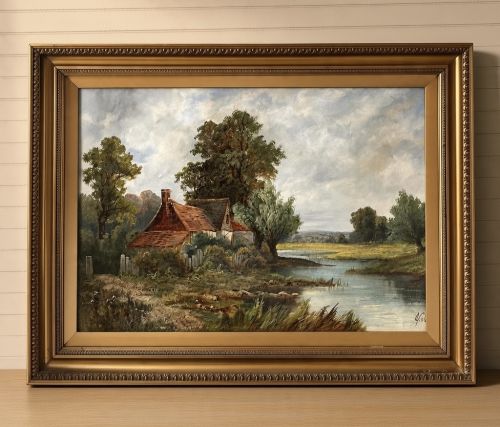
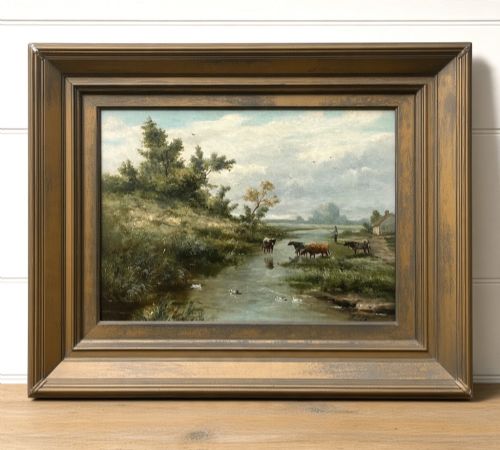
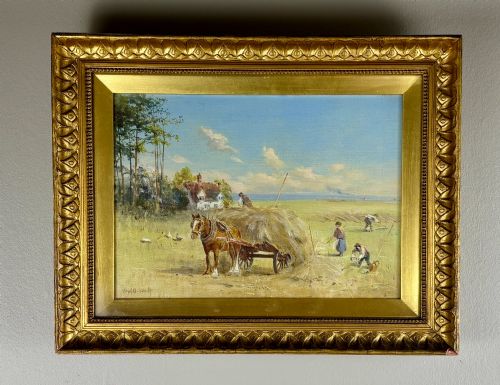
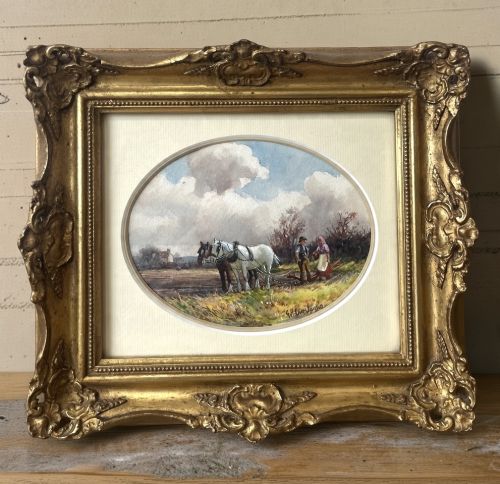
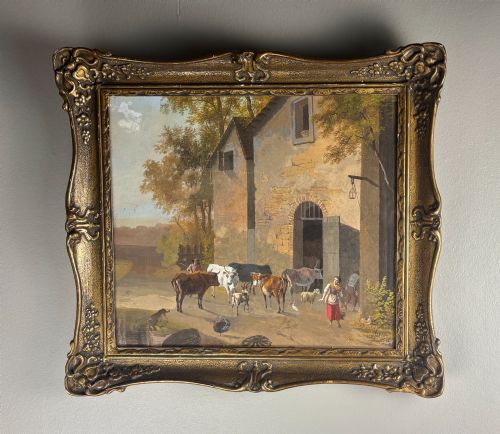
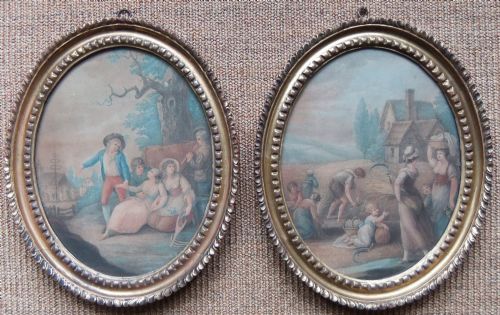
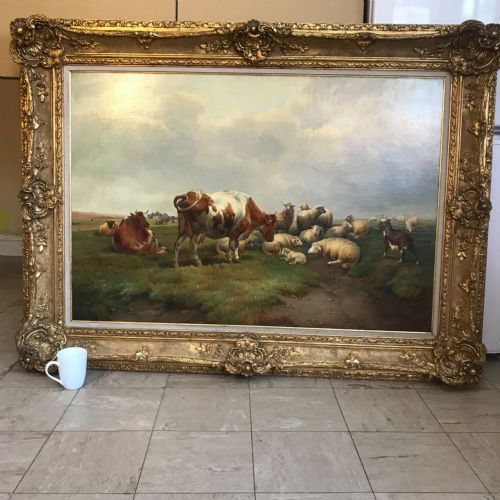
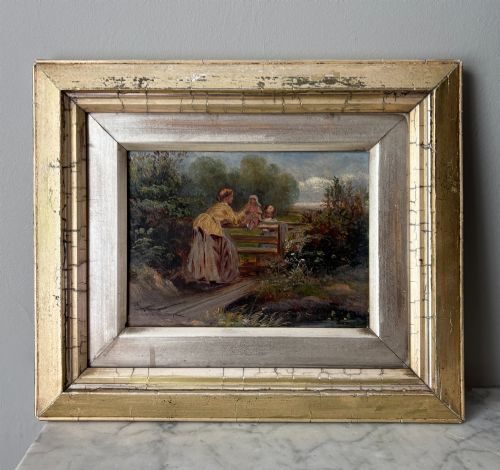
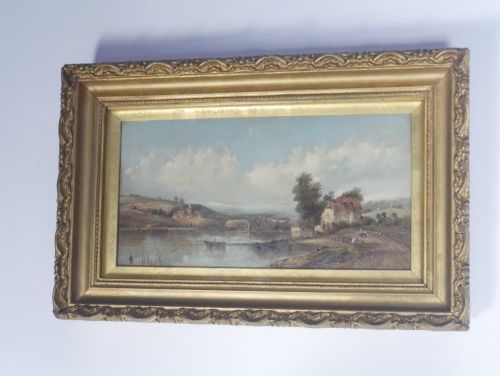
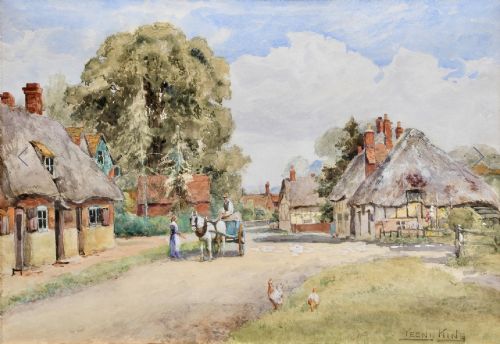
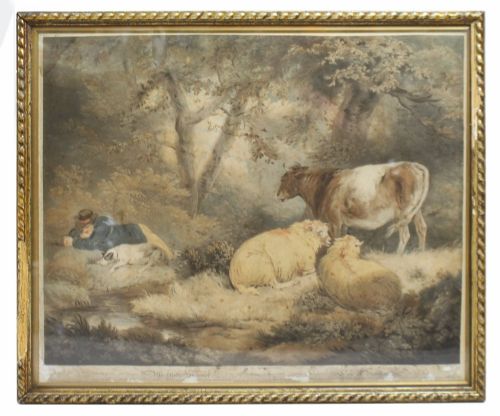
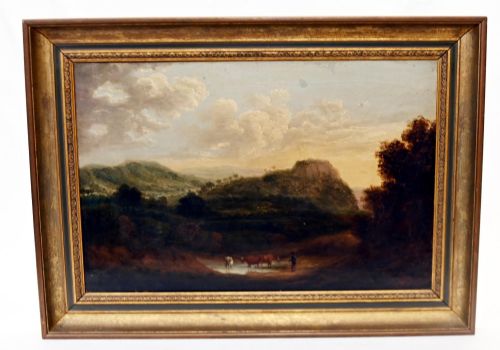
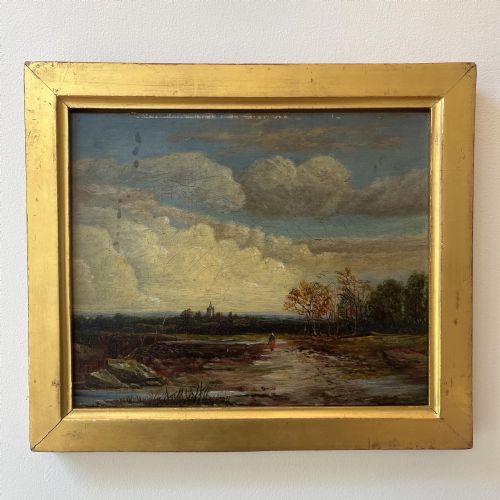
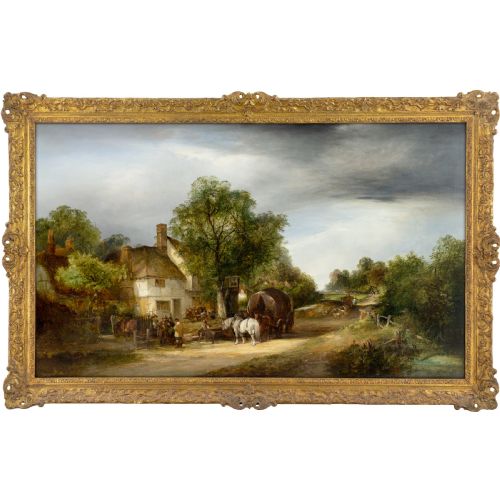
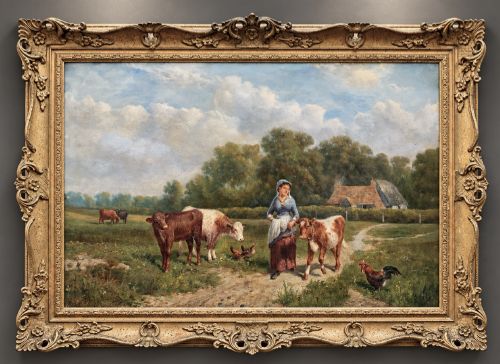
Pastoral scene wall art depicts traditional rural life, featuring cattle, farmyards, shepherds and riverbanks across various historical periods. The most frequent examples on this page are nineteenth-century oil paintings on canvas or wood panels, alongside watercolours and engravings.
These works trace rural subjects through Victorian realism, British impressionism and French provincial styles. Artists recorded agricultural labour and river landscapes using oil paint or watercolour on paper, canvas and oak boards.
Works range from intimate watercolours of cottages to large framed tapestries and grand oil canvases depicting agricultural scenes. Common motifs include livestock, figures by ponds, hay gathering and pastoral landscapes.
Materials and construction
Painters applied oil and watercolour pigments onto stretched canvas, wooden panels, board and paper supports. Frames frequently incorporate gesso and gold leaf to house these works.
Printmakers utilised engraving and mezzotint techniques to reproduce pastoral compositions. Weavers produced large tapestries using textile methods for grand wall hangings.
Pastoral Scene Wall Art Retail Price Guide 2026
Typical asking prices for pastoral scene wall art among the pieces listed under this phrase on Sellingantiques today, from the lower quarter to the upper quarter. They describe what is for sale here now, not the wider market.
Cattle outnumber humans across the nineteenth-century fields, quietly supervising every rural transaction.
Factors of quality
Execution and brushwork distinguish accomplished professional canvases from provincial naive works. Finer paintings demonstrate precise handling of light, atmosphere and animal anatomy.
The integrity of the original support, whether canvas, oak panel or paper, alongside the preservation of the surface paint layers, determines the standing of a piece. Period frames with original gesso and gilding also contribute to overall coherence.
George Morland·Alonso Perez·Samuel Joseph Clark·William Manners·David Bates·Henry Schouten·Thomas Sidney Cooper
The Pastoral Scene Wall Art Glossary
- Oil on Canvas
- Pigment mixed with drying oil applied to a woven fabric surface stretched over a wooden frame. This medium allowed artists to build rich textures and deep tones for landscape works.
- Mezzotint
- A printmaking process where the copper plate is roughened to achieve dark tones and scraped to create highlights. It was frequently used for tonal reproductions of paintings.
- Gesso
- A plaster mixture applied to wood panels or frames as a base for paint or gilding. It provides a smooth foundation before the application of gold leaf.
- Wood Panel
- A solid timber support, often oak, utilised by artists before canvas became dominant. Paintings on panel require stable environmental conditions to prevent warping.
- Etching
- A printmaking method where acid cuts into unprotected areas of a metal plate to hold ink. Lines produced this way offer fine detail in pastoral prints.
Pastoral Scene Wall Art: Frequently Asked Questions
What periods do these artworks come from?
The works span from the eighteenth century through the Victorian and Edwardian eras into the early twentieth century. Many pieces date from the nineteenth century.
Styles range from traditional academic painting to early impressionism and provincial folk art.
How were these pastoral scenes displayed?
Most paintings are housed within period wooden frames, often finished with gesso and gold leaf. Larger textiles like tapestries functioned as wall hangings in domestic interiors.
Framed works were traditionally hung in reception rooms and parlours of country houses and town residences.
Are these paintings original works?
The selection includes original oil paintings, watercolours and oil on wood boards executed by named and provincial artists. Some pieces are period engravings or mezzotints after earlier masters.
Each listing specifies the exact medium and whether the work is signed by the artist.
How do I care for antique oil paintings?
Keep paintings away from direct sunlight, high humidity and sudden temperature fluctuations. This protects both the canvas or wood support and the oil paint layers.
Dust frames gently with a dry, soft cloth and avoid applying liquid cleaners to the painted surface.