





Parquetry Wooden Lamp
A parquetry wooden lamp brings geometric warmth to a room through precise historical woodwork.
Parquetry Wooden Lamp
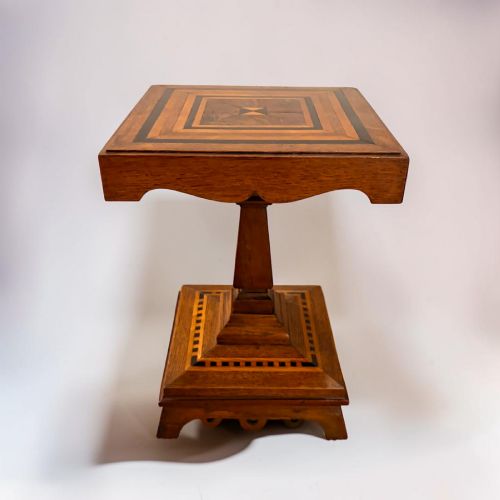
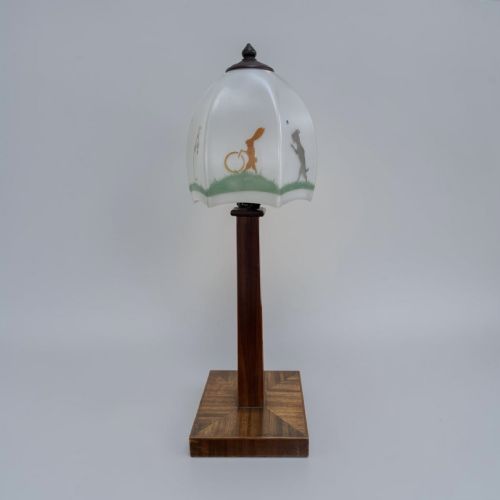
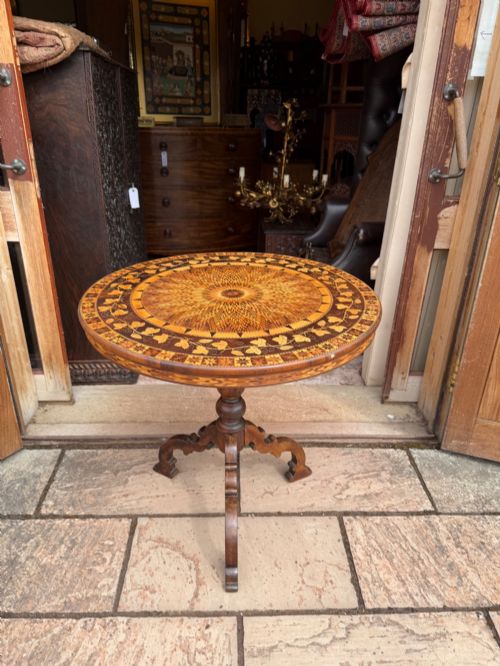
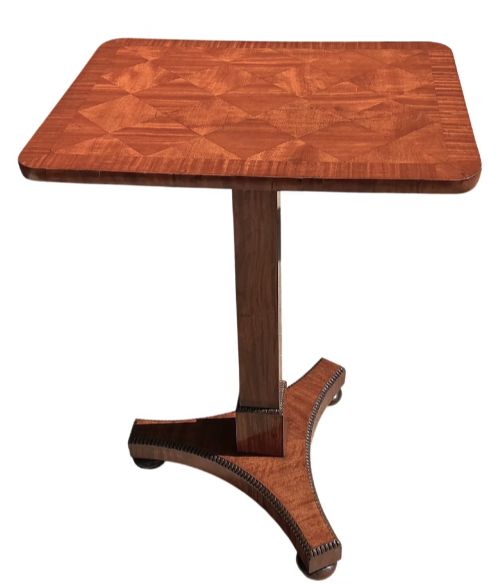
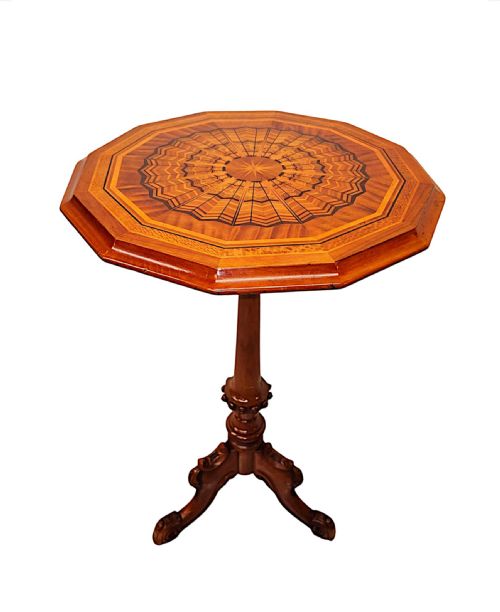
A parquetry wooden lamp combines patterned wood veneers with functional illumination, taking forms like standard lamps, floor lamps, and table lamps across various historical periods. The pieces appearing here span the nineteenth century, the Art Deco era, and the mid twentieth century, drawing on Victorian, Regency, and Louis XV Revival styles.
Buyers will encounter standard lamps alongside converted tables and occasional pieces constructed from diverse timbers. The selection includes walnut, satinwood, rosewood, mahogany, and kingwood, reflecting both British and continental European cabinetmaking traditions.
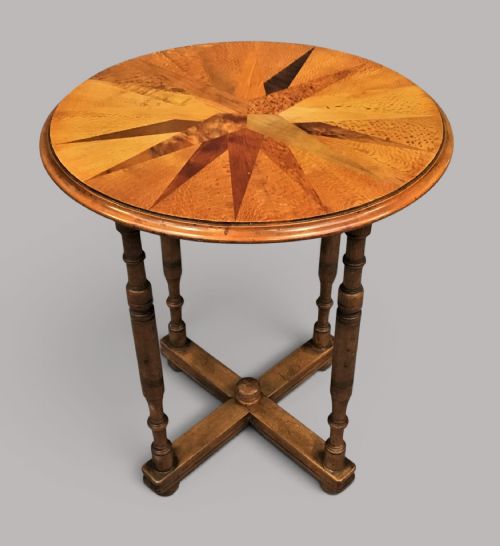
Makers often utilised geometric wood veneers to create visual depth, whether in the manner of Italian Sorrento work or New Zealand specimen wood pieces. These lamps function equally as decorative focal points and practical light sources in traditional or modern interiors.
Construction and materials
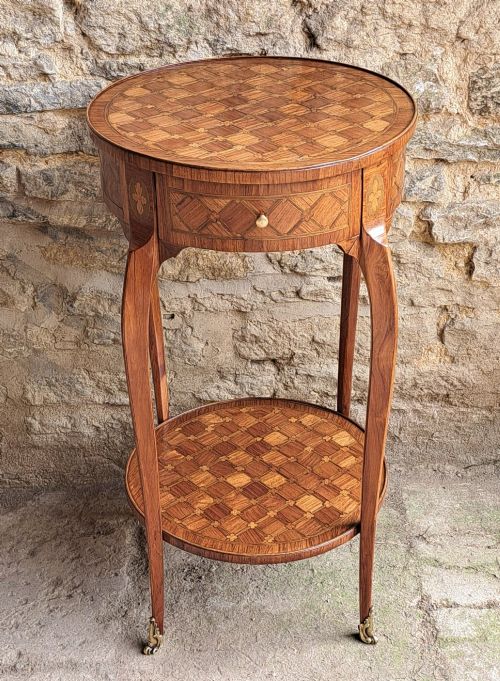
Cabinetmakers constructed these pieces using solid timbers and applied wood veneers, cutting contrasting woods such as walnut, satinwood, rosewood, and kingwood into precise geometric tessellations. This parquetry technique required meticulous hand-fitting to ensure the individual veneer pieces sat flush across curved or flat surfaces.
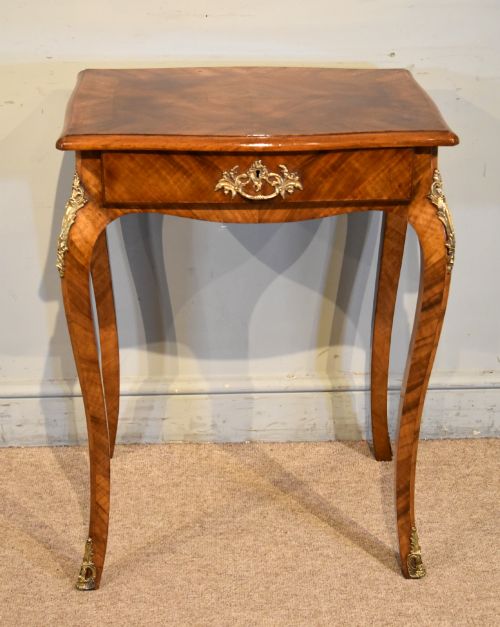
Brass fittings and mounts frequently accompany the woodwork, particularly in French Louis XV Revival and Victorian examples where metal accents frame the timber panels. Turnery and pedestal construction provide structural support for standard lamps and occasional tables adapted for lighting.
Parquetry Wooden Lamp Retail Price Guide 2026
Typical asking prices for parquetry wooden lamp among the pieces listed under this phrase on Sellingantiques today, from the lower quarter to the upper quarter. They describe what is for sale here now, not the wider market.
Some nineteenth century tables arrive unexpectedly ready for restoration, offering a secret second life beneath decades of old polish.
Assessing quality in parquetry and timber
The precision of the veneer work dictates the standing of each piece, distinguishing sharp, tight geometric joins from coarser assemblies where gaps appear between wood blocks. Selecting varied timber species with strong natural grain contrasts elevates the visual impact of the parquetry.
Structural integrity and timber preservation define the upper tier of these items, particularly where complex turning or tripod bases support the weight of a lamp. Original surface patination and intact brass elements retain the historical character intended by the original cabinetmaker.
Gillows·Anton Seuffert·William Norrie
The Parquetry Wooden Lamp Glossary
- Parquetry
- A geometric mosaic of wood veneers laid down in repeating patterns on a structural carcass. This technique allows makers to create intricate floor and surface designs using contrasting timbers.
- Veneer
- A thin slice of figured wood applied over a secondary timber base to display superior grain patterns. Cabinetmakers utilise this method to ornament furniture without relying entirely on solid scarce woods.
- Specimen wood
- Furniture constructed from a multitude of native and exotic timber samples, often arranged in geographical or decorative arrays. New Zealand examples frequently showcase this detailed regional craft.
- Standard lamp
- A tall freestanding floor lamp designed to illuminate a room from standing height. These pieces often adapt traditional table or pedestal forms to house electrical fittings.
Parquetry Wooden Lamp: Frequently Asked Questions
What is a parquetry wooden lamp?
A parquetry wooden lamp is a lighting fixture or table incorporating geometric wood veneer patterns. These pieces utilise materials like walnut, satinwood, and rosewood across historical styles.
Craftsmen arranged contrasting timber tiles to create decorative surfaces that catch the light. They range from standard floor lamps to converted occasional tables.
How do I date a wooden lamp?
Dating relies on observing stylistic markers, construction methods, and timber choices typical of specific eras. Pieces on this page span the nineteenth century through the Art Deco period and mid twentieth century.
Victorian and Regency examples show different turning and veneer characteristics compared to later Art Deco designs. Examining the underlying wood and hardware helps place the piece in its historical context.
Where were these lamps made?
Origin points vary widely across European and international workshops, including British, French, and Italian makers. Some examples originate from further afield, such as New Zealand native timber pieces.
Regional styles often dictate the choice of wood and the complexity of the parquetry patterns. French pieces frequently feature Louis XV Revival styling with brass mounts.
How do I care for antique wood?
Antique wooden items require stable indoor humidity and protection from direct sunlight to prevent timber splitting and veneer lifting. Regular dusting with a soft, dry cloth maintains the surface.
Avoid chemical polishes that can degrade historical finishes and natural patination. Professional conservation ensures structural stability for older wiring and delicate pedestals.