





Paris Porcelain Figures
Paris porcelain figures are decorative ceramic works that bring nineteenth-century French charm and elaborate historical revival styles into a room.
Paris Porcelain Figures
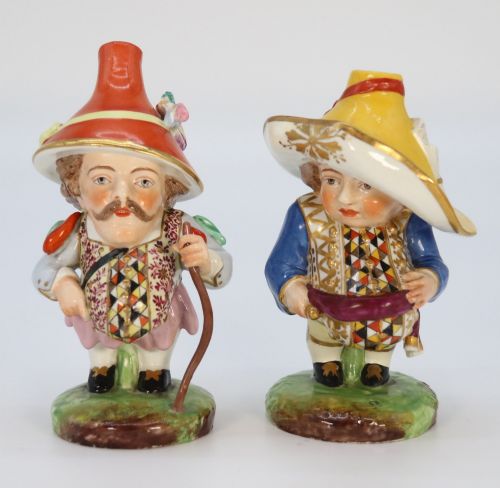
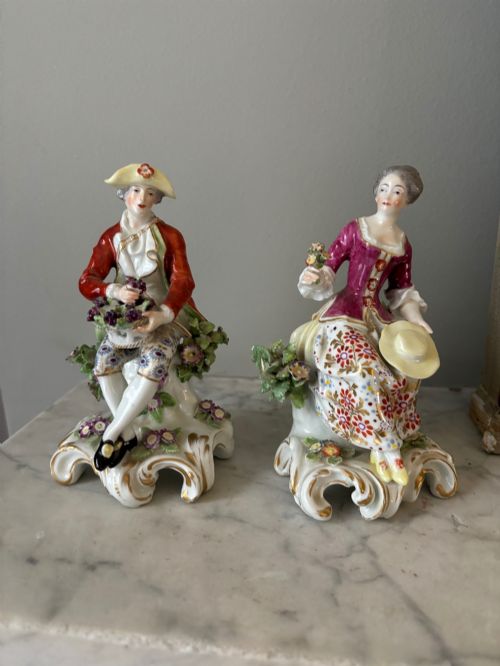
Paris porcelain figures encompass ornate figurines, figural groups, and decorative objects created during the nineteenth century across various French workshops and factories. A buyer searching for paris porcelain figures encounters Victorian interpretations, romantic pairs, and mythological subjects styled after earlier English and continental ceramics.
The selections span distinct historical revivals including Rococo Revival, Neoclassical Revival, and French Second Empire aesthetics. Common forms include allegorical figures, street vendors, musicians, and classical deities produced as pairs or standalone decorative pieces.
How they were made
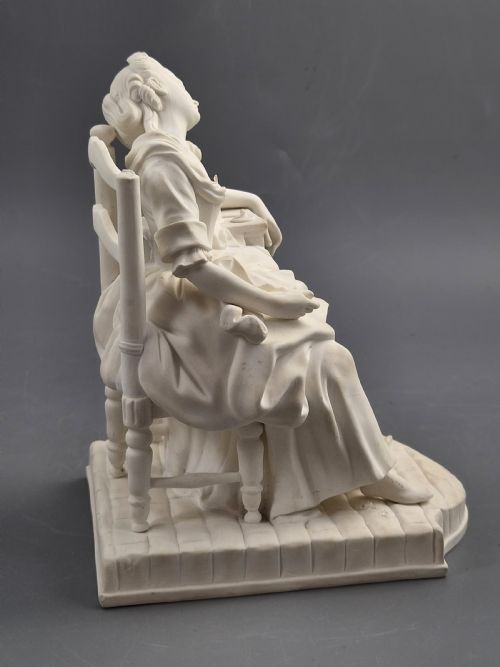
Maker utilise hard-paste porcelain, parian porcelain, and biscuit porcelain to form the body of each piece through detailed mould casting. Biscuit porcelain provides an unglazed, matte finish resembling marble, while hard-paste porcelain offers a durable, vitrified base for subsequent decoration.
Enamel colours, gold leaf, and extensive gilding are applied by hand over the glaze or directly onto the biscuit surface to highlight garments and facial expressions. Elaborate additions such as lace groups incorporate actual fabric dipped in slip before firing to burn away, leaving porcelain lace.
Paris Porcelain Figures Retail Price Guide 2026
Typical asking prices for paris porcelain figures among the pieces listed under this phrase on Sellingantiques today, from the lower quarter to the upper quarter. They describe what is for sale here now, not the wider market.
Listings feature hard-paste porcelain, parian porcelain, and biscuit porcelain across nineteenth-century Victorian periods.
What varies in quality
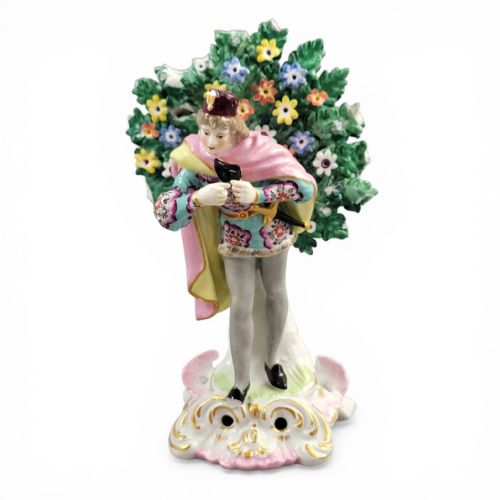
The reputation of the producing workshop or maker influences the standing of a piece, particularly established Parisian houses known for emulating eighteenth-century Chelsea and Derby styles. Pieces displaying intricate secondary elements such as bocage backgrounds or lace ruffles require higher technical skill.
Edme Samson·Letu and Mauger·Vion and Baury·Eugene Clauss·Bourdois and Bloch·La Coutille Factory·Bloch and Sie
The Paris Porcelain Figures Glossary
- Biscuit porcelain
- Unfired or unglazed white porcelain with a matte, porous texture resembling marble. It is frequently utilised for neoclassical figures and intimate portrait pieces.
- Hard-paste porcelain
- A durable ceramic composition fired at very high temperatures using kaolin and petuntse. This material forms the sturdy base for many nineteenth-century French decorative objects.
- Parian porcelain
- A fine-grained type of biscuit porcelain developed to imitate marble in Victorian statuary. It takes its name from the white marble of Paros.
- Bocage
- An ornamental background of carved or modelled foliage and leaves surrounding a figure. It is commonly found on pieces influenced by eighteenth-century English factories.
- Gilding
- The application of gold leaf or powdered gold onto the surface of porcelain. It is used to accent borders, clothing details, and bases.
Paris Porcelain Figures: Frequently Asked Questions
What periods do these figures come from?
The evidence shows these figures originate primarily in the nineteenth century, with specific dates spanning from the eighteen-fifties to the eighteen-nineties. Several designs draw direct inspiration from earlier eighteenth-century French and English aesthetics.
Production methods and stylistic revivals during the Victorian era heavily influenced the output of Parisian workshops during this period.
How were Paris porcelain figures used?
These figures functioned as decorative table objects, mantelpiece ornaments, and paired mantel displays in nineteenth-century interiors. Certain items served dual purposes as vases, lamps, or small trinket boxes.
Their presence added a refined, classical atmosphere to formal rooms and private parlours alike.
How do I care for Paris porcelain figures?
Maintenance requires gentle dusting with a soft, dry brush to protect delicate painted details and raised gilt highlights. Harsh cleaning agents and excessive moisture should be avoided to preserve the enamel surface.
Placement away from direct sunlight and areas prone to vibration ensures the longevity of fragile elements like porcelain lace and bocage.
Are these figures copies of earlier works?
Many nineteenth-century Parisian makers deliberately produced figures in the style of earlier Chelsea, Derby, or eighteenth-century French factories. These pieces function as deliberate homages rather than direct deceptions, often bearing the marks of the producing workshop alongside earlier styles.
Studying the specific paste, mark, and painting technique helps distinguish the nineteenth-century Paris creation from the earlier model it references.