





Parcel Gilt Furniture
Parcel gilt furniture brings warm contrast to a room through bright gold highlights set against rich wood or painted surfaces.
Parcel Gilt Furniture
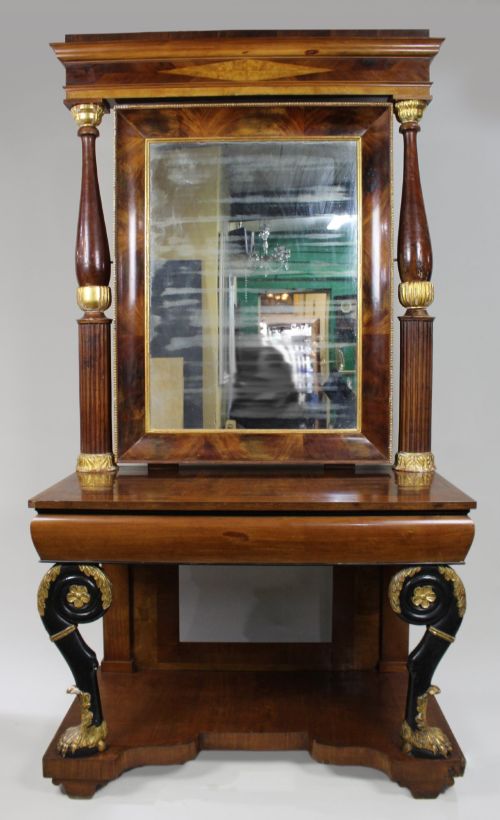
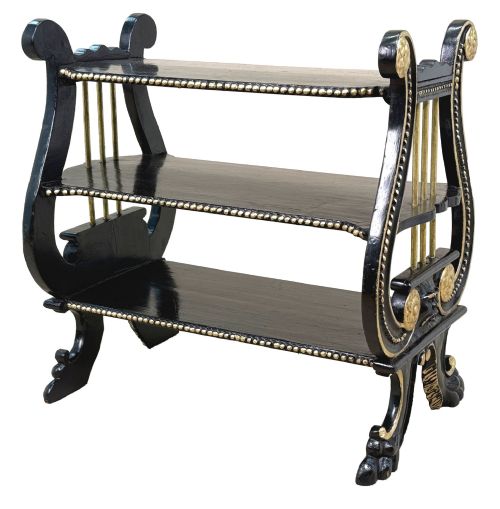
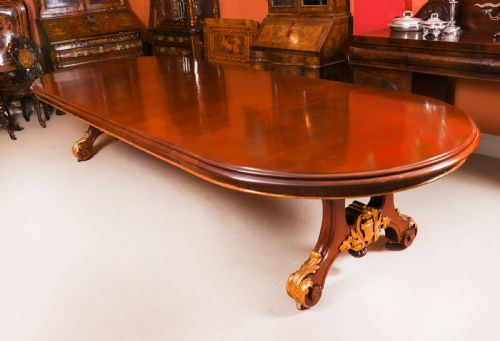
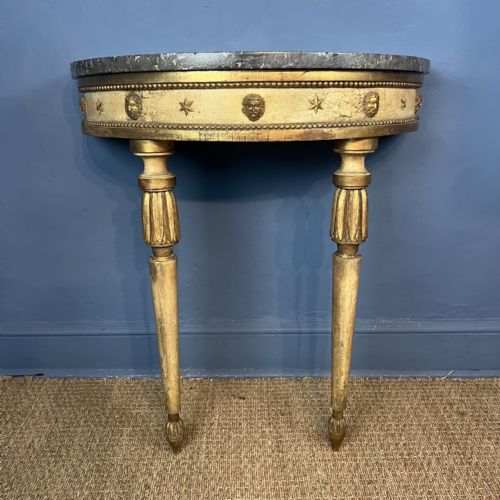
Parcel gilt furniture relies on selective gilding to emphasise carved details, mouldings, and architectural ornaments against a contrasting ground. When you search for parcel gilt furniture, you encounter console tables, armchairs, and side cabinets designed to catch candlelight or natural light in formal rooms.
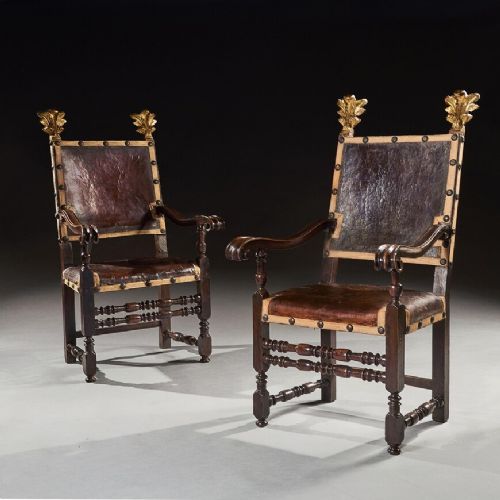
The pieces appearing on this page span several centuries, with a strong representation of nineteenth-century Victorian and Regency examples alongside earlier continental works. Console tables and centre tables dominate the selection, often featuring marble tops, ebonised elements, or burr walnut and rosewood veneers.
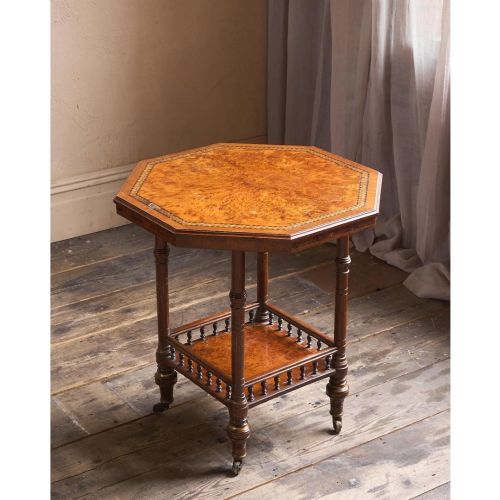
The style shifts from seventeenth-century Italian Baroque armchairs to nineteenth-century French Empire and English Aesthetic Movement tables. Makers such as Gillows and Wylie & Lochead demonstrate how British cabinet makers adapted continental decorative traditions using native and exotic timbers.
Materials and construction methods
Makers applied thin sheets of gold leaf to prepared surfaces using size, highlighting specific carved motifs while leaving the surrounding wood, paint, or ebonised finish exposed. Walnut, mahogany, rosewood, and amboyna form the structural bodies of these tables and cabinets, sometimes enhanced with burr yew or thuya veneers.
Many console tables and side tables incorporate marble slabs fitted directly into the wooden framework, reflecting Italian Neoclassical and French Empire preferences. Brass mounts, leather inserts, and hand-carved giltwood details complete the construction of these decorative items.
Parcel Gilt Furniture Retail Price Guide 2026
Typical asking prices for parcel gilt furniture among the pieces listed under this phrase on Sellingantiques today, from the lower quarter to the upper quarter. They describe what is for sale here now, not the wider market.
Some nineteenth-century writing tables hide leather dummy books within their cabinetry to maintain a uniform library aesthetic.
Distinctions in craftsmanship
Quality rests upon the crispness of the carved ornament and the precision with which the gold leaf adheres to the underlying substrate. Superior pieces display deep, hand-carved contours that take the gilding cleanly without obscuring the grain or profile of the wood.
The choice of secondary materials, such as figured burr veneers, heavy marble tops, and substantial secondary timbers, separates standard production from exceptional cabinet work. Attribution to documented makers like Gillows or S Jamar adds historical weight to the physical execution of the piece.
Wylie & Lochead·Gillows·Howard & Sons·S Jamar
The Parcel Gilt Furniture Glossary
- Parcel gilt
- Woodwork decorated with partial gilding, where gold leaf is applied only to raised carvings, mouldings, or specific details to create contrast with the base material.
- Console table
- A wall table supported by front legs or brackets, frequently topped with marble and paired with a matching pier mirror.
- Ebonised
- Wood treated with a dark stain or finish to imitate ebony, commonly used to frame parcel gilt highlights.
- Giltwood
- Timber carved and covered entirely in gold leaf, distinct from parcel gilt where the gold is only applied to selected areas.
- Pier mirror
- A tall mirror designed to hang on the wall space between windows, often positioned directly above a console table.
Parcel Gilt Furniture: Frequently Asked Questions
Where should I place a console table?
Console tables fit well against entrance hallway walls or in reception rooms, frequently positioned beneath a matching mirror.
Their shallow depth allows them to occupy narrow spaces without obstructing movement through a room.
How do I care for gilt surfaces?
Gold leaf requires gentle dusting with a soft, dry cloth to prevent abrasion of the delicate metal layer.
Moisture and harsh cleaning agents can damage both the size beneath the leaf and the surrounding polished wood.
What defines Regency parcel gilt?
Regency pieces often combine dark rosewood or mahogany with crisp gilt highlights and classical neoclassical motifs.
Tables from this period frequently incorporate brass inlays, leather writing surfaces, or bold carved supports.
Are marble tops original to these tables?
Many nineteenth-century console and centre tables were manufactured specifically to house fitted marble slabs.
Italian and French examples regularly employ white or coloured marble to provide a durable and cool working surface.