
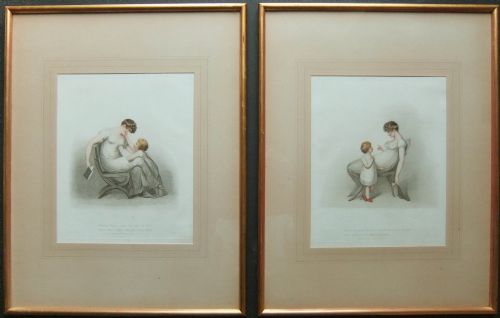


Paper Stipple Engravings
Paper stipple engravings are delicate print works using tiny dots to build tone, offering collectors refined neoclassical portraits and sentimental scenes.
Paper Stipple Engravings
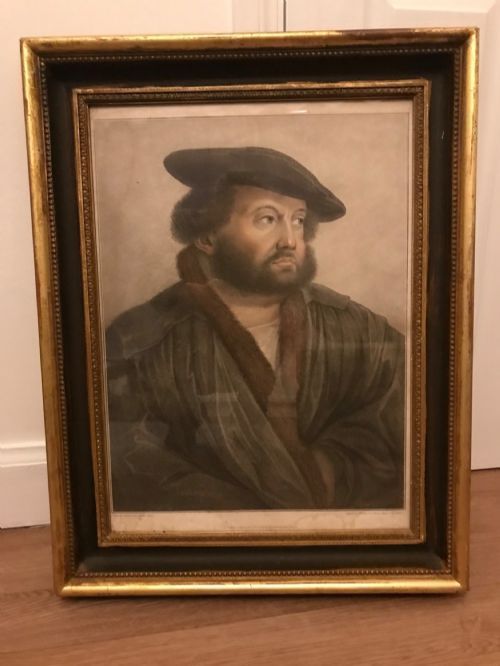
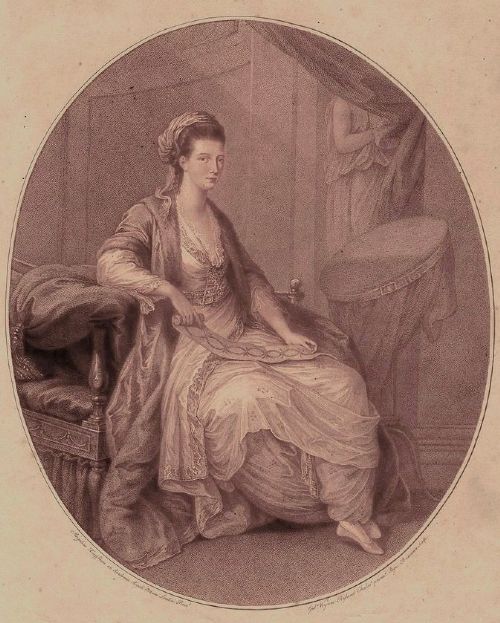
Paper stipple engravings capture fine tonal gradations through dotted patterns rather than continuous lines, producing soft portraits and figural compositions. When exploring paper stipple engravings, buyers most frequently encounter eighteenth century and Regency examples framed behind glass.
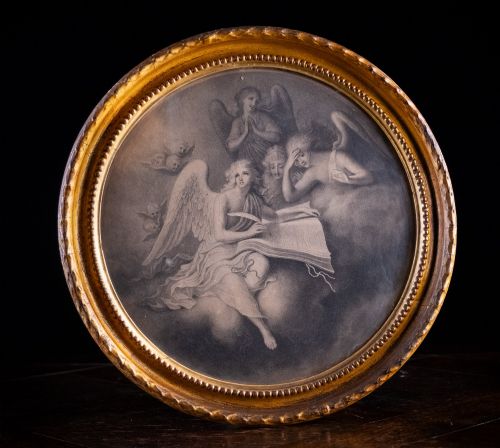
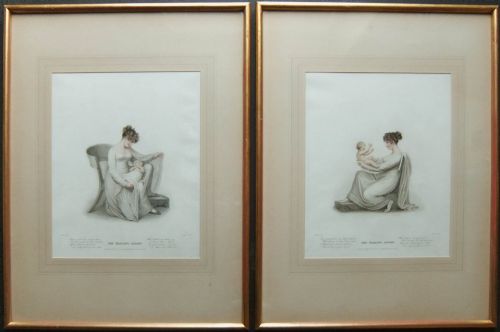
The subjects span historical portraits, allegorical figures like weeping angels, and sentimental domestic scenes by prominent draughtsmen. These works typically arrive ready to hang in period timber frames, often highlighted with gilt details.
Neoclassical compositions dominate the selection, reflecting the aesthetic tastes of the late eighteenth and early nineteenth centuries. Portraits after recognised artists provide a direct link to the printmaking methods of the period.
How they were made
Makers produced these prints by puncturing copper plates with various etches and dots before applying ink to paper. Hand colouring was frequently added afterward using watercolor washes to enhance garments and facial tones.
Finished sheets were secured within wood frames, often utilising giltwood or gold leaf mouldings alongside protective glass. The combination of stippled ink on paper and period framing preserves the delicate media against environmental degradation.
Ever wondered why weeping angels look so perpetually sad? It turns out even celestial beings suffer from late Georgian melancholy.
What varies in quality
The integrity of the original frame and the preservation of the paper sheet heavily influence the character of the piece. Clean margins, restrained hand colouring, and matching historic frames elevate individual examples.
The Paper Stipple Engravings Glossary
- Stipple engraving
- A printmaking technique using dots of varying density on a copper plate to create tonal gradation and soft shadows. This method creates the characteristic hazy, painterly look of the portraits.
- Neoclassical
- An artistic style drawing inspiration from the classical art and culture of ancient Greece and Rome. It defines the balanced compositions and classical drapery seen in many of these prints.
- Regency
- The period in British history from 1811 to 1820, alongside the broader Regency aesthetic era spanning the early nineteenth century. Pieces from this time often feature distinct framing styles and lively social or domestic scenes.
- Giltwood
- Wood carved and covered with a thin layer of gold leaf or gesso and gold paint. It frequently forms the decorative frames enclosing these historical prints.
Paper Stipple Engravings: Frequently Asked Questions
What are paper stipple engravings?
Paper stipple engravings are fine art prints created by punching thousands of tiny dots into a copper printing plate. This method allowed printmakers to achieve lifelike skin tones and gentle shadows.
Most surviving examples date from the late eighteenth century and the Regency era. They typically portray historical figures, literary characters, or sentimental domestic pairings.
How should I hang these prints?
These framed prints require placement away from direct sunlight to protect the paper and any hand-applied watercolor from fading. Stable indoor humidity prevents warping in the antique timber frames.
Their restrained palettes and classical subjects suit traditional drawing rooms or studies. Pairing them symmetrically creates a balanced display reminiscent of period interiors.
How do I identify the period?
Dating relies on the paper stock, framing materials, and the costume or style of the depicted subject. Eighteenth-century examples often showcase neoclassical portraiture while Regency pieces lean toward lively social scenes.
Inscribed names of artists and publishers beneath the image area offer precise clues. Examining the construction of the wood frame provides additional chronological context.
Were these prints always coloured?
Many stipple engravings were published in monochrome, using sepia, black, or red ink alone. Artisans applied watercolor washes by hand to specific examples either at the time of publication or later.
Hand colouring highlights specific details such as ribbons, foliage, and garments. Monochrome versions rely entirely on the density of the stippled dots for visual depth.