

Paper Portrait Art
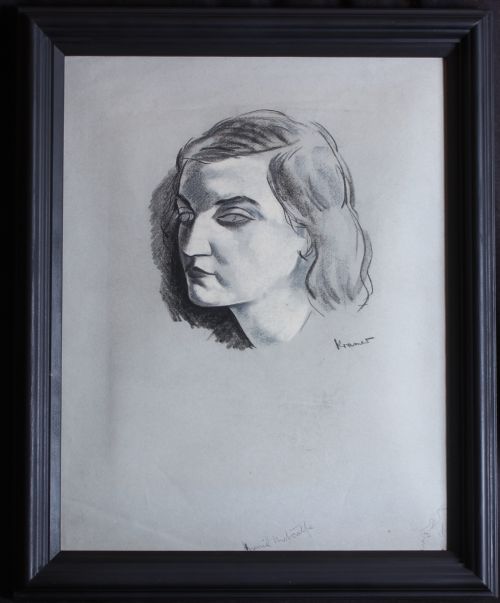
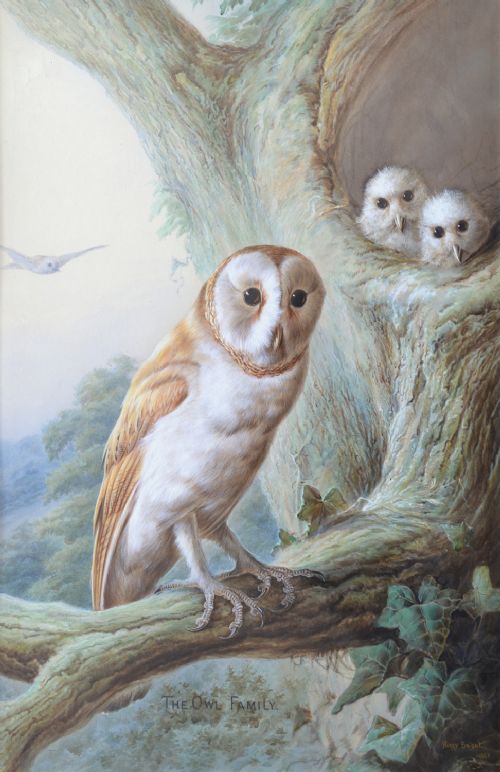
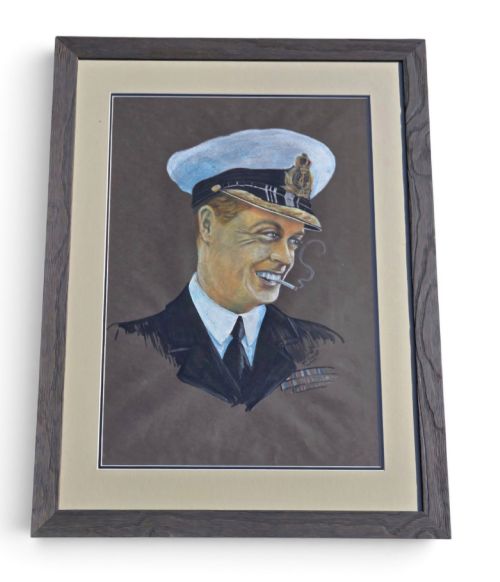
Paper portrait art gathers delicate silhouettes, watercolours, pastels, and historic mezzotints that capture likenesses on paper through centuries of tradition.
Paper Portrait Art
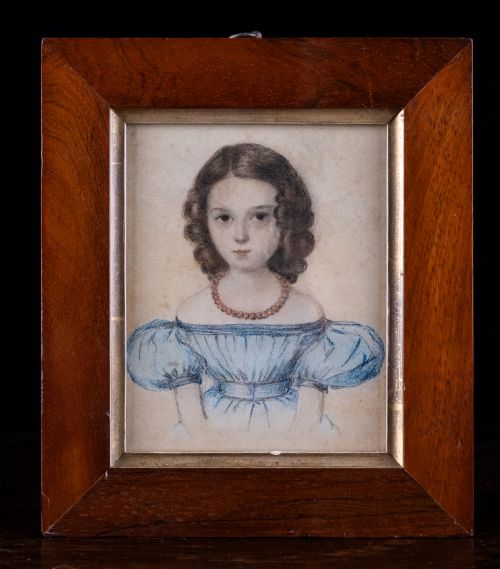
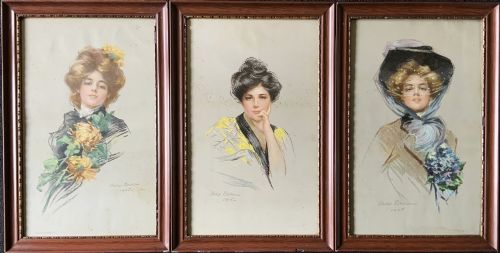
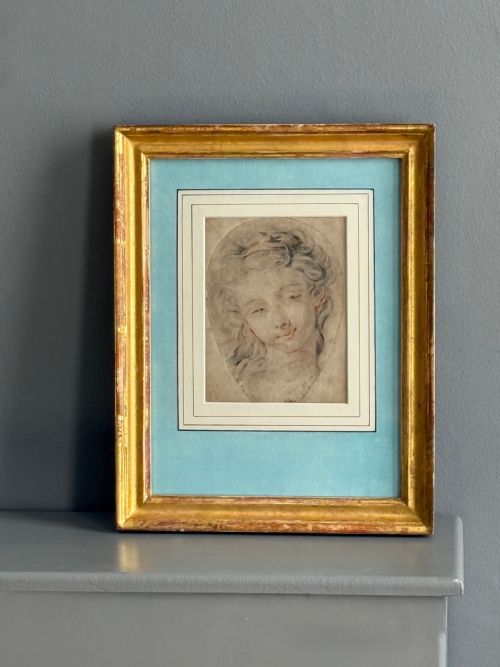
Paper portrait art spans delicate watercolours, pastels, ink drawings, and silhouette cuttings framed behind glass for domestic display.
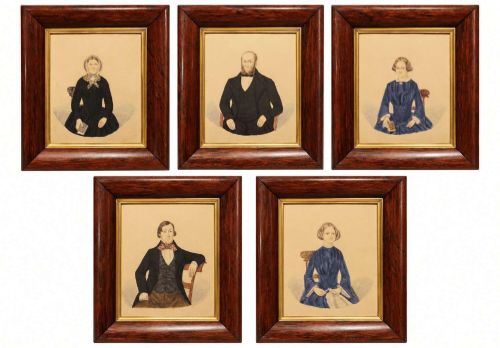
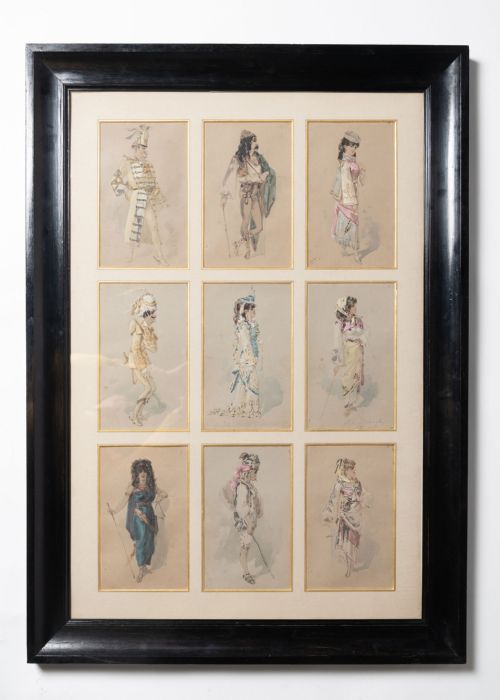
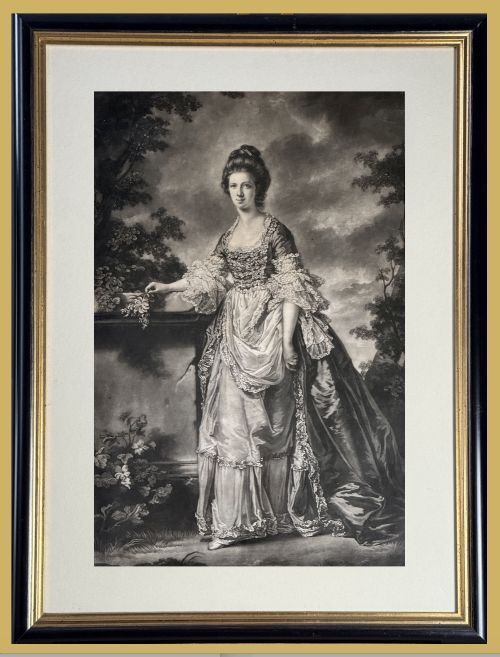
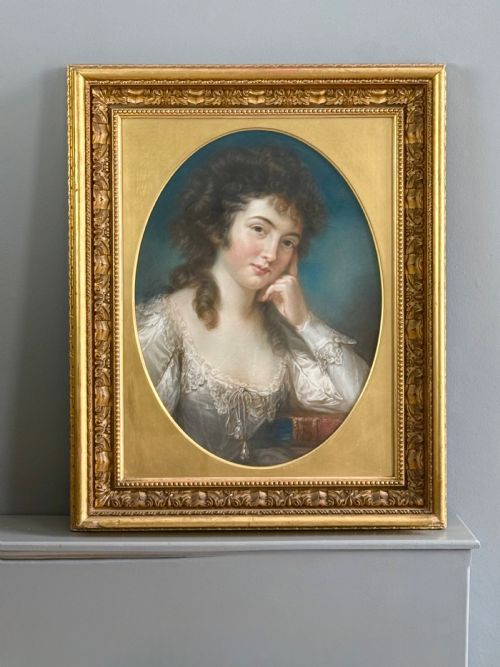
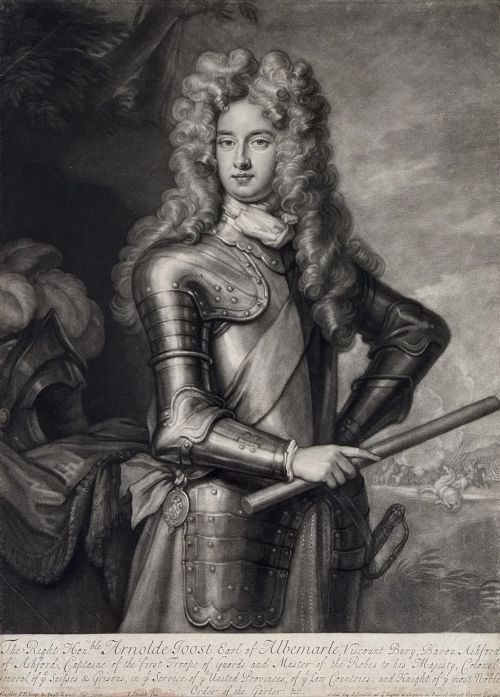
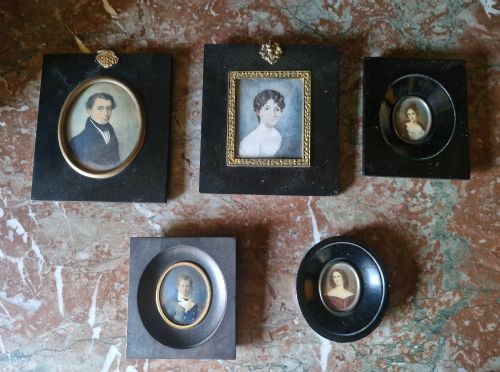
Buyers encounter 18th-century mezzotint engravings, 19th-century watercolours of individuals and figures, and crisp cut-paper profiles.
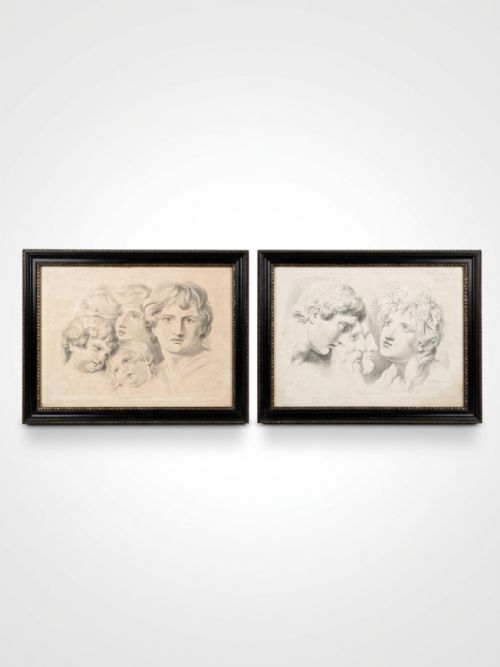
The selections range from anonymous depictions and Grand Tour etchings to signed works by noted portraitists and historic printmakers.
Materials and execution
Artists worked primarily on paper supports, applying watercolours, pastels, ink, and gouache alongside precise hand-cutting for silhouettes.
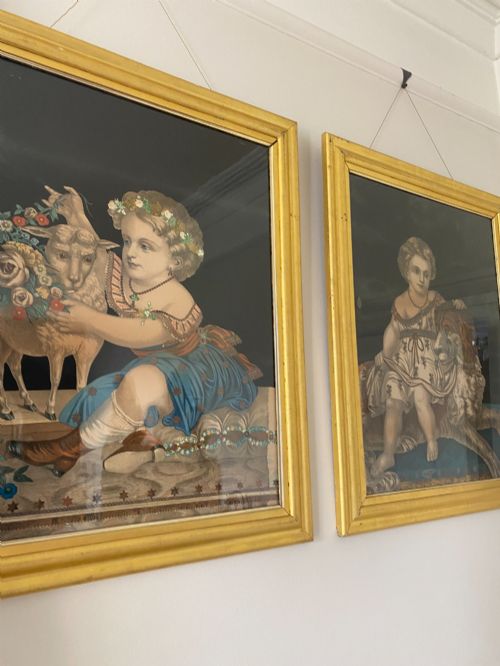
Printmakers utilised metal plates to produce mezzotint and stipple engravings, sometimes incorporating gold leaf and giltwood framing.
Protection behind glass preserved fragile pigments and paper supports against atmospheric moisture and handling over generations.
Paper Portrait Art Retail Price Guide 2026
Typical asking prices for paper portrait art among the pieces listed under this phrase on Sellingantiques today, from the lower quarter to the upper quarter. They describe what is for sale here now, not the wider market.
Listings feature works spanning the 17th, 18th, and 19th centuries, executed in watercolour, pastel, ink, and cut paper.
Factors of quality
Quality rests upon the sensitivity of the draughtsmanship, the crispness of ink or pastel application, and the fidelity of the print impression.
Original period frames, particularly giltwood or maple housings, enhance the preservation and integrity of the artwork.
JOHN RUSSELL R.A.·FRANCESCO BARTOLOZZI·WILLIAM JAMES HUBARD·SIR GODFREY KNELLER·SIR JOSHUA REYNOLDS
The Paper Portrait Art Glossary
- Mezzotint
- A printmaking process where the copper plate is roughened to achieve rich dark tones and subtle gradations of light. This technique allows for remarkably smooth tonal transitions in portraiture.
- Silhouette
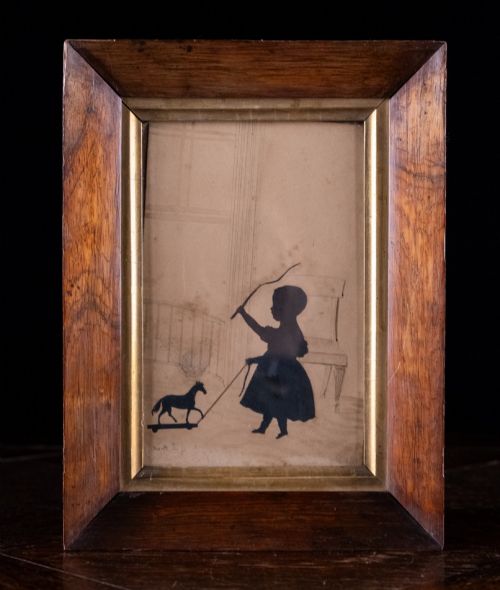
- A portrait cut from black paper or painted in profile, popular in the Georgian and Regency eras. Skilled artists produced these likenesses swiftly by eye or with mechanical pantographs.
- Stipple engraving
- A method of creating prints using dots of various sizes and densities rather than continuous lines. It gained immense popularity for reproducing soft pastel portraiture.
- Pith paintings
- Watercolours executed on thin sheets of pith paper, often created in China for Western export during the nineteenth century. The material yields a characteristic luminous surface texture.
- Giltwood
- Wood carved and coated with gold leaf or metallic powder, commonly used for traditional picture frames. It provides a bright, reflective border that complements historic works on paper.
Paper Portrait Art: Frequently Asked Questions
What is the difference between an engraving and a watercolour?
Engravings are printed multiples created from etched metal plates, allowing publishers to distribute historic portraits widely. Watercolours are unique, hand-painted works created directly on paper by the artist.
Examining the surface with a magnifier reveals the printed ink dots of an engraving versus the brushstrokes of a painting.
How do I identify a silhouette portrait?
Silhouettes feature solid dark profiles, usually cut from paper or painted against a contrasting light background. Many 18th and 19th-century examples include delicate highlights in gold or ink.
Inspect the edges of cut paper examples under magnification to observe the precision of the hand-cutting.
Are these portraits original period pieces?
The listings comprise authentic period items ranging from seventeenth-century mezzotints to twentieth-century drawings. Each piece reflects the materials and techniques specific to its era.
Reviewing the listed dates and mediums helps establish the historical context of each individual artwork.