

Paper Original Etching Art
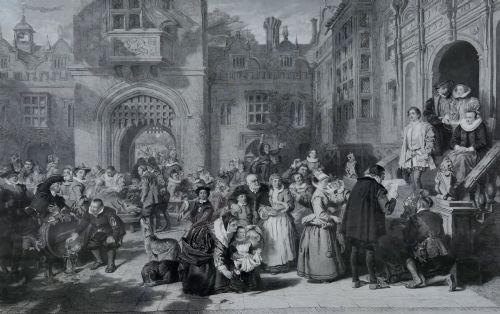
Paper original etching art brings historic printed imagery into your rooms, offering authentic ink on paper works from past centuries.
Paper Original Etching Art
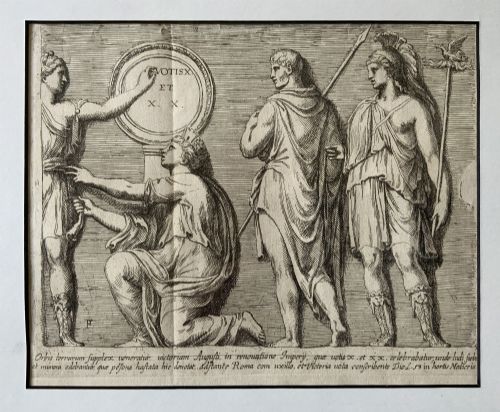
Paper original etching art encompasses hand-pulled prints created through the intaglio process, where lines are bitten into a metal plate with acid before being transferred to paper. Buyers seeking paper original etching art will encounter works spanning the eighteenth century through the twentieth century, including Victorian pieces and early twentieth-century examples.
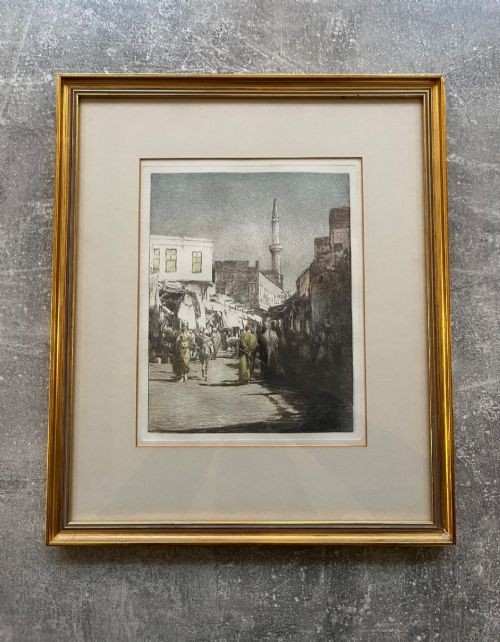
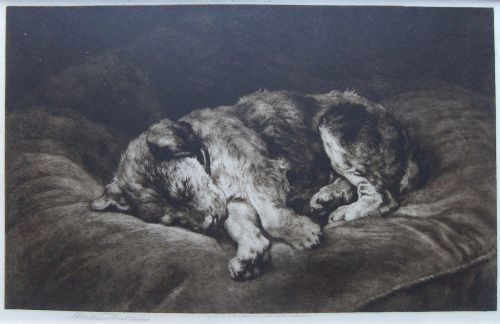
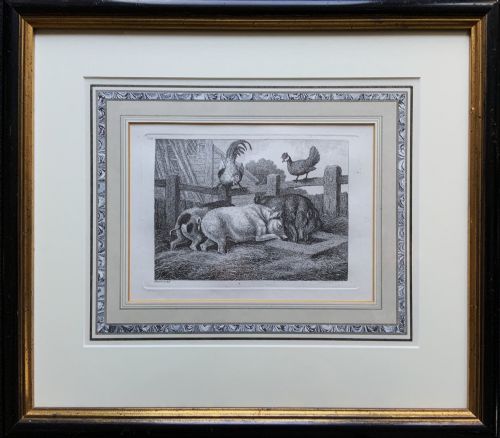
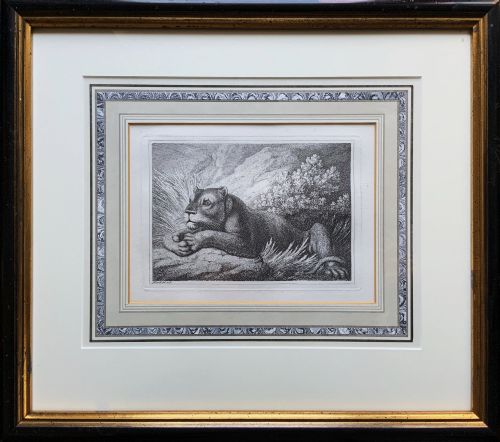
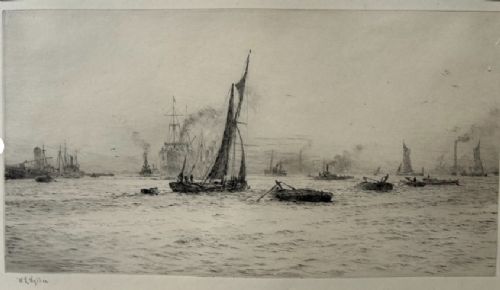
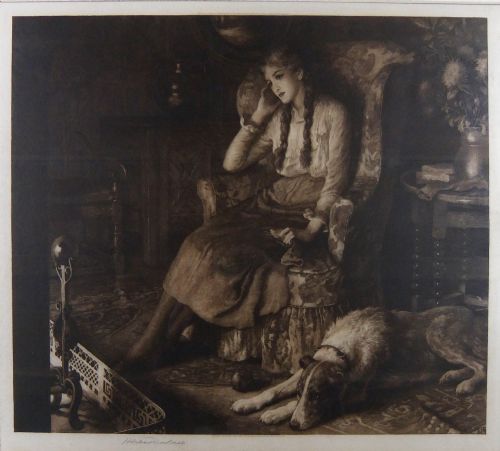
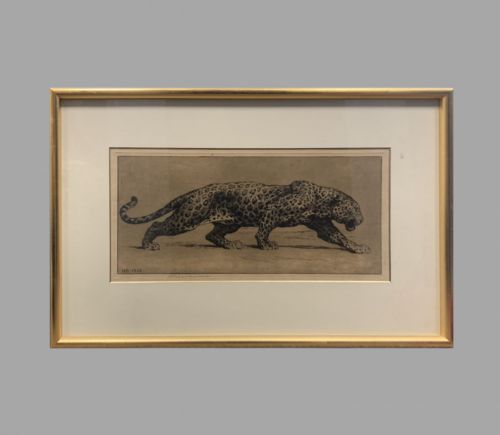
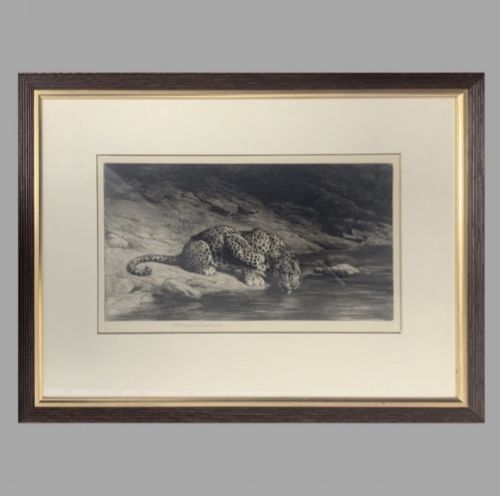
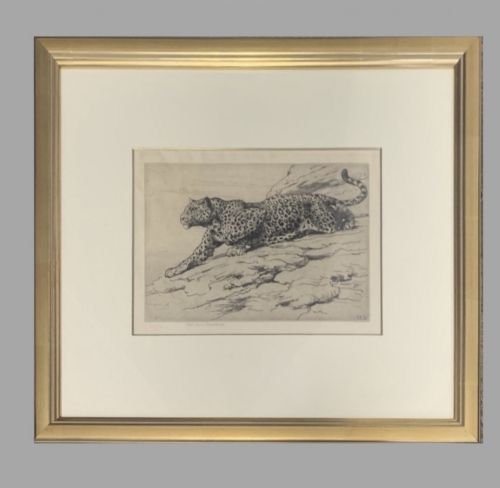
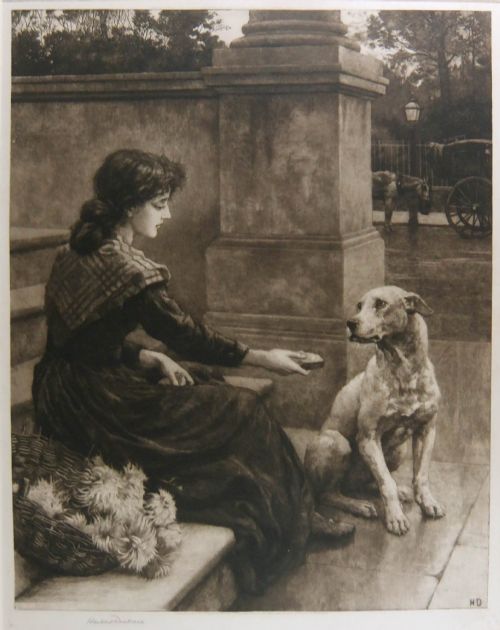
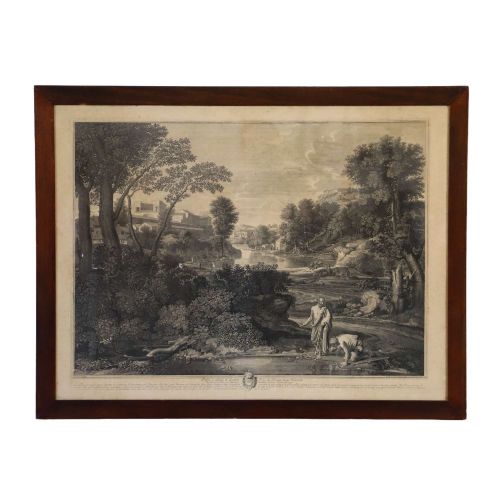
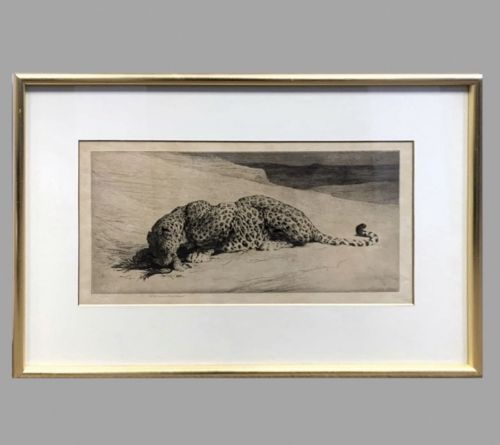
The selections on this page cover diverse subjects such as maritime scenes along the River Thames, architectural views of London bridges, domestic animals including bulldogs and leopards, and classical landscapes. These works frequently arrive mounted behind glass within period frames made of wood or gilt wood.
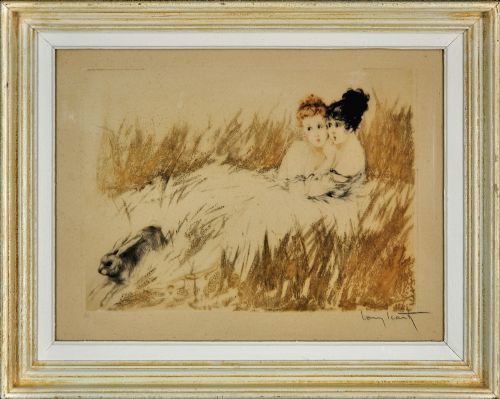
Makers and artists represented in this category range from Victorian animaliers to twentieth-century printmakers working within Edwardian and Art Deco traditions. Each piece reflects the specific handling of ink upon paper characteristic of its period of origin.
Materials and Technique
The creation of these works relies upon metal plates, typically copper, which are worked using acid to etch lines or incised directly with a drypoint needle. Ink is forced into the recessed grooves before the plate passes through a heavy printing press to transfer the image onto damp paper.
Artists often enhanced impressions with graphite or hand-colouring, adding subtle tonal variations directly to the paper support. Finished prints are housed behind glass and secured within wooden frames, occasionally incorporating gold leaf or gilt wood mouldings.
Paper Original Etching Art Retail Price Guide 2026
Typical asking prices for paper original etching art among the pieces listed under this phrase on Sellingantiques today, from the lower quarter to the upper quarter. They describe what is for sale here now, not the wider market.
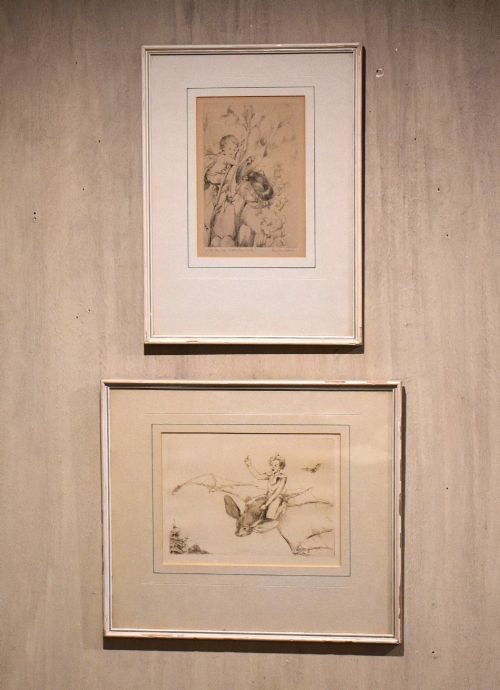
Several Victorian and Edwardian sheets depict dedicated domestic companions, recording household bulldogs and leopards alongside human subjects.
Assessing Quality and Execution
Quality in these works rests upon the crispness of the plate impression and the subtlety of the inked line transferred to the paper. Early impressions taken while the metal plate remains sharp display finer detail than later printings where the lines begin to soften.
The condition of the paper support and the presence of original framing materials contribute significantly to the character of a piece. Well-preserved sheets retain their original tone without excessive discolouration, while surviving period frames maintain the historical context of the artwork.
Herbert Dicksee·William Lionel Wyllie·Louis Icart·Anne Goldthwaite·John Merrifield·Augustus Edwin John·James Dobie·Mariette Lydis·Edgar J Maybery·Albert Terry·Norman Janes·Frank Greenwood
The Paper Original Etching Art Glossary
- Etching
- A printmaking method where acid bites lines into a metal plate to hold ink. The plate transfers these inked lines onto paper under pressure.
- Drypoint
- An intaglio technique where an artist scratches directly into a metal plate with a sharp needle. This process raises a burr of metal that produces rich, velvety lines when printed.
- Aquatint
- A printmaking variation used to create tonal areas of grey and shadow. Rosin is melted onto the plate before acid biting to produce granular textures.
- Artist proof
- An early impression printed for the creator to inspect before the main edition is run. These proofs often show unique annotations or pencil signatures.
- Plate mark
- The indentation left in the paper by the edges of the metal plate during the printing press operation. Its presence confirms an authentic intaglio print.
Paper Original Etching Art: Frequently Asked Questions
What is an original etching?
An original etching is a print pulled directly from a metal plate that the artist themselves etched, engraved, or worked by hand.
This differs fundamentally from a modern photographic reproduction, as every impression carries physical evidence of the printing press and ink upon paper.
How do I care for framed etchings?
Paper works require protection from direct sunlight to prevent the ink and paper support from fading over time. Maintaining stable indoor humidity levels also safeguards the paper and the wooden frame against environmental stress.
Are all etchings signed by the artist?
Many fine art etchings from the nineteenth and twentieth centuries feature pencil signatures by the artist in the lower margin. Unsigned examples also exist, often originating from published plate books or historical printing editions where individual signatures were omitted.
What is the difference between an engraving and an etching?
An engraving is made by cutting lines directly into a metal plate using a sharp tool called a burin. An etching uses acid to bite the design into the metal, creating softer and more fluid lines.