




Paper Military Illustrations
Paper military illustrations record campaigns, regiments and commanders across centuries through ink, wash and watercolour.
Paper Military Illustrations
Paper military illustrations span centuries of conflict, portraiture and satirical commentary, capturing soldiers, campaigns and regiments on paper. Collectors searching this phrase encounter original works and prints stretching from the Georgian period through the Victorian era and into the mid-twentieth century.
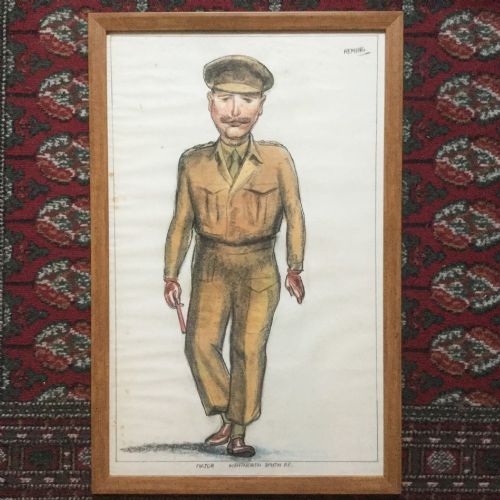
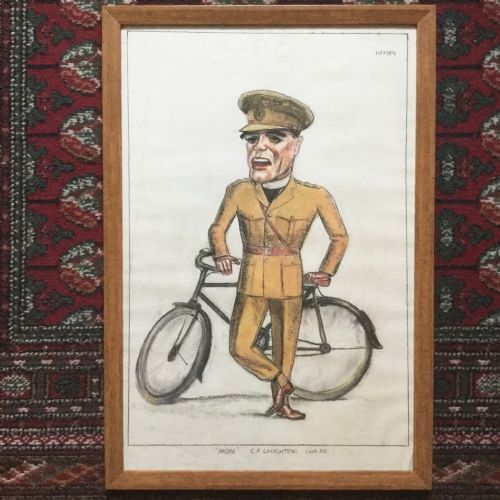
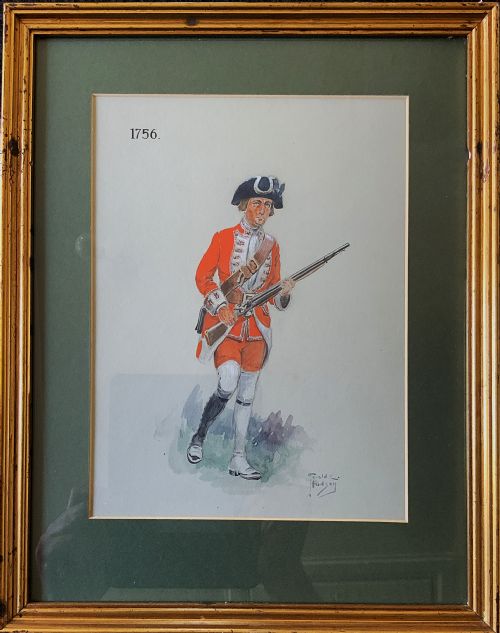
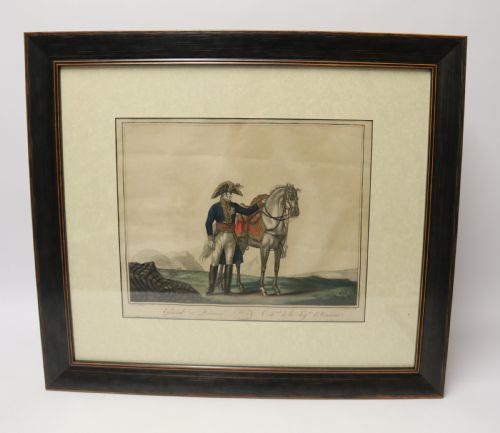
The material record includes framed drawings, watercolour paintings, pen and wash studies, and wood engravings. Pieces range from intimate portrait sketches of individual officers to battle scenes and published satirical prints.
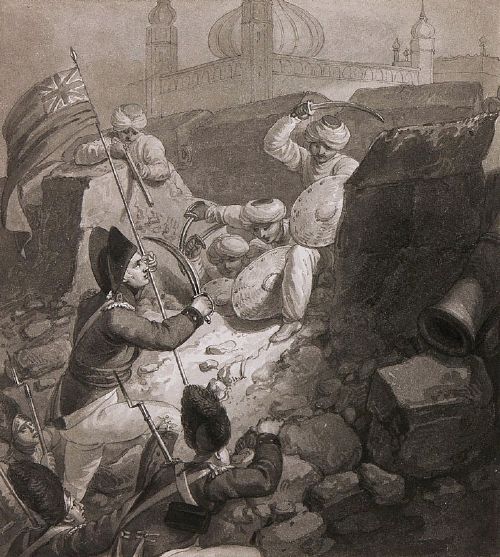
Early examples include eighteenth-century pen and wash drawings alongside nineteenth-century Napoleonic hand-coloured prints. Twentieth-century works encompass wartime illustrative pieces from the nineteen-forties and earlier Edwardian watercolours.
Materials and techniques
Artists executed these works on paper using ink, watercolour, wash, pastel and gouache. Many pieces employ pen and ink line work combined with subtle watercolour washes to define uniforms and terrain.
Printed examples utilise wood engraving or hand-colouring techniques applied to published sheets. Framing in wood and glass protects fragile paper supports from environmental damage.
Listings incorporate paper, wood, glass, ink, watercolour, wash, pastel and gouache across Georgian, Victorian, Edwardian and mid-century styles.
Evaluating quality and execution
Quality rests upon the sureness of the draughtsmanship and the artist's ability to render uniform details, anatomy and movement accurately. Dynamic battle scenes and expressive portrait sketches demonstrate sharper execution than static compositions.
Condition plays a central role, distinguishing works preserved cleanly under glass from those bearing heavy foxing, fading or paper degradation. The presence of contemporary signatures, titles or publication history adds documented provenance.
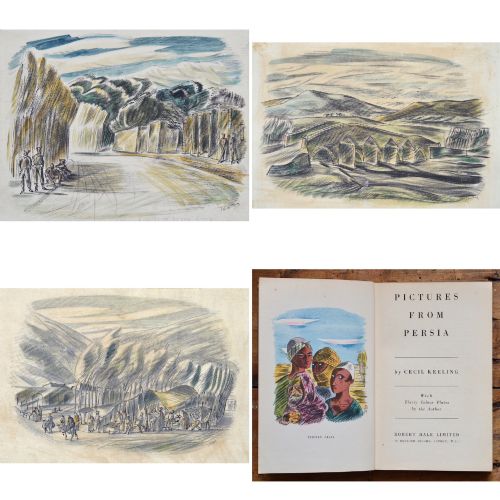
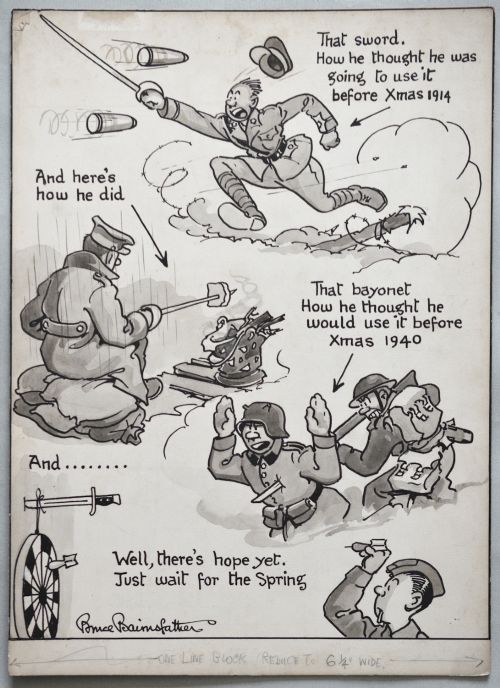
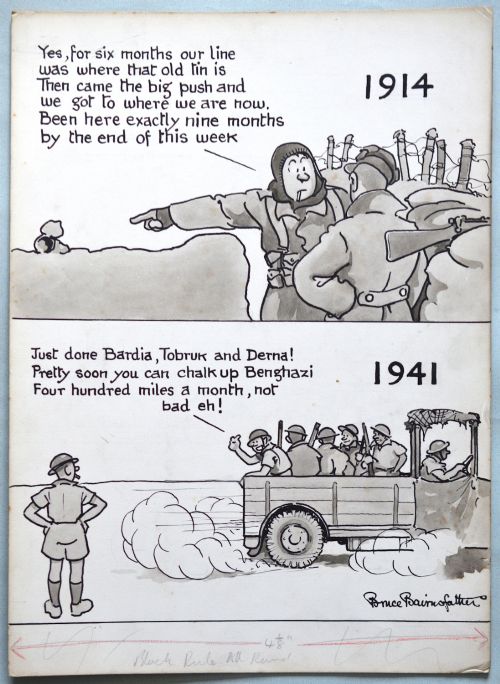
Cecil Keeling·Bruce Bairnsfather·William Marshall Craig·Snaffles
The Paper Military Illustrations Glossary
- Gouache
- An opaque water-based medium that provides solid colour blocks and bright highlights on paper. Artists use it alongside watercolour to build density.
- Wash
- A diluted layer of ink or watercolour applied evenly across paper to create shadow and tonal depth. It forms the basis of many monochrome battle studies.
- Wood engraving
- A relief printmaking technique where an artist carves into the end-grain of a dense hardwood block. This method yields fine, detailed lines suited to historical illustration.
- Pastel
- A dry drawing medium composed of powdered pigment and a binder, pressed into sticks. It allows for soft tonal blending in portrait sketches.
Paper Military Illustrations: Frequently Asked Questions
What periods do these illustrations cover?
The works span from the eighteenth century through the Victorian and Edwardian eras into the mid-twentieth century.
Key periods represented include the Napoleonic era, the First and Second World Wars, and the mid-century decades.
How were these artworks displayed?
Many pieces arrive framed in wood and glass, designed for wall display in studies or libraries.
Others originated as book illustrations, published prints or portable sketchbooks carried during campaigns.
Are these works original or printed?
The selection includes both unique original drawings in ink, watercolour and gouache, and published print formats.
Printed items encompass wood engravings, hand-coloured sheets and double-page periodical illustrations.
How do I identify military uniforms?
Illustrations often record specific historical regiments, such as the Royal Engineers or nineteenth-century hussars.
Accompanying titles, inscriptions or uniform insignia help date the depicted soldiers and campaigns.