


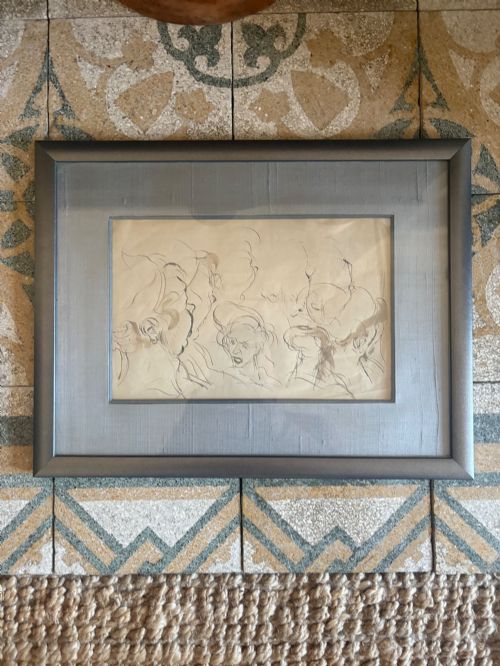


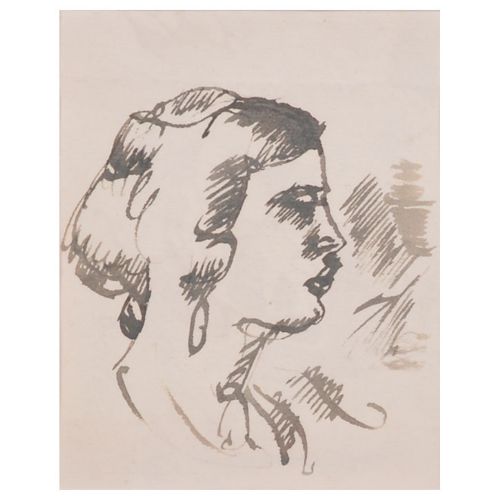


Paper Line Drawing
A paper line drawing captures the direct touch of ink and wash across centuries, offering intimate detail for a room.
Paper Line Drawing
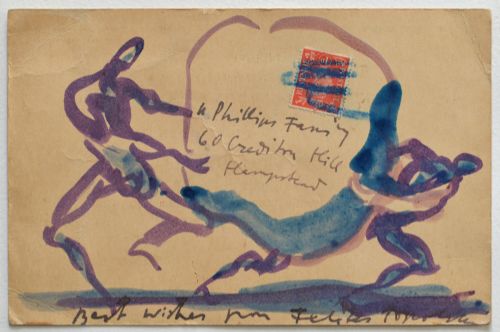
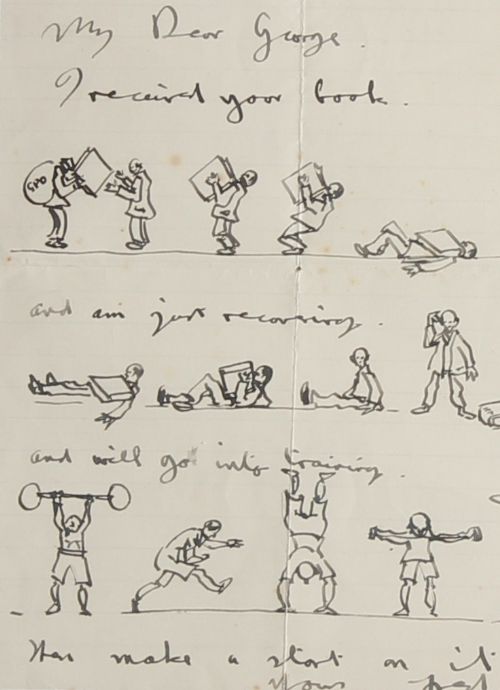
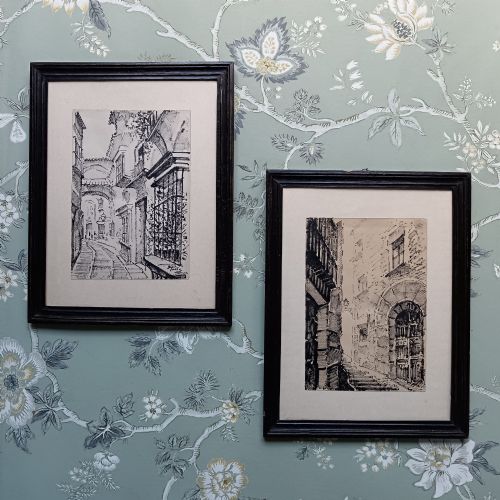
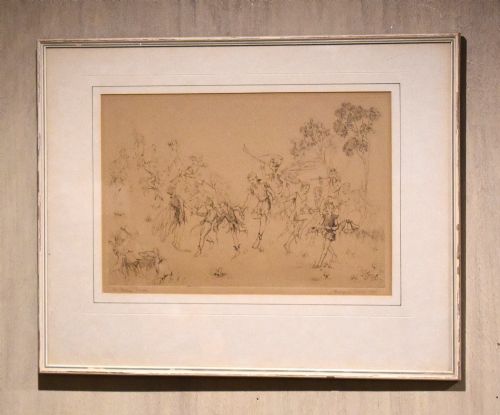
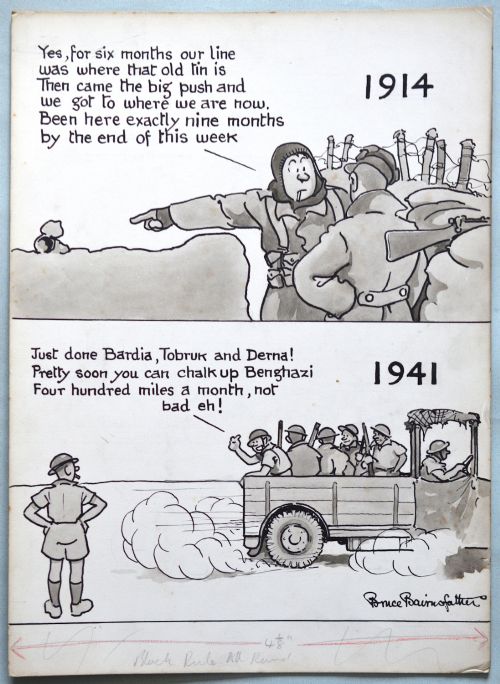
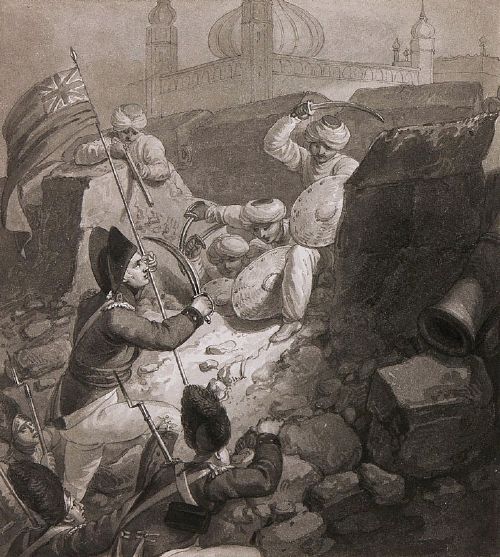
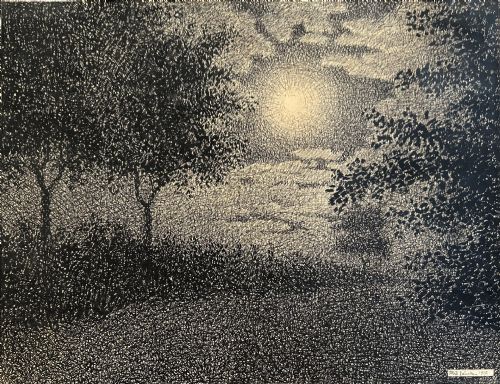
A paper line drawing brings together graphic marks and delicate washes on fragile supports, spanning periods from the eighteenth century to the mid-twentieth century. These works appear in forms such as original architectural studies, theatrical figures, landscape views, and preparatory sketches.
The pieces on this page range from early British illustration and French romanticism to mid-century modern British compositions. Buyers frequently encounter framed works on paper that combine pen and ink outlines with watercolour or gouache accents.
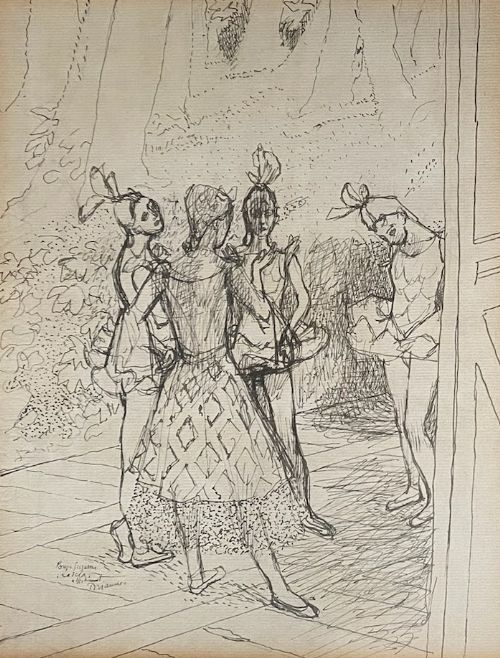
Subjects stretch from intimate studies of dancers and children to topographical scenes and anatomical illustrations. Each piece relies on the economy of the drawn line to convey movement, structure, and atmosphere.
Materials and technique
Artists executed these works primarily with pen and ink on paper, often applying washes, watercolour, or gouache to build tone and depth. Iron gall or carbon inks interacted directly with the cellulose fibres of the paper support.
Framing materials such as wood and giltwood, sometimes featuring scroll mounts, protect these delicate works under glass. The combination of simple graphic lines with subtle colour washes defines the physical nature of the medium.
Paper Line Drawing Retail Price Guide 2026
Typical asking prices for paper line drawing among the pieces listed under this phrase on Sellingantiques today, from the lower quarter to the upper quarter. They describe what is for sale here now, not the wider market.
Some anonymous sitters stare out so sharply across the centuries they make modern passport photos look entirely unconvincing.
Distinctions in quality
Quality rests upon the sureness of the hand and the expressive economy of the line, where preparatory energy translates directly to the sheet. Strong examples demonstrate confident draftsmanship that captures form and expression without hesitation.
The preservation of the paper support and the clarity of the ink contribute significantly to the standing of a work. Well-framed pieces under glass retain their original vibrancy, while the interaction between ink, wash, and paper remains crisp and legible.
Marjorie L Davies·Fred Lawson·Bruce Bairnsfather·William Marshall Craig·Maurice Brianchon·James Tower·Alfred Dehodencq·John Merrifield·Lucien Freud·Pablo Picasso·John Duncan Fergusson
The Paper Line Drawing Glossary
- Wash
- A thin, transparent layer of diluted ink or watercolour applied to paper. It creates tonal depth and shadows behind the primary ink lines.
- Gouache
- An opaque water-based medium containing pigment and a binding agent, used to add solid highlights to ink drawings. It sits on the surface of the paper rather than sinking in.
- Preparatory study
- A preliminary drawing executed by an artist to plan a larger painting, print, or sculpture. These works reveal the working method and underlying thought process of the creator.
- Giltwood
- Wood carved and covered with a thin layer of gold leaf or gold paint, commonly found on period picture frames. It provides a reflective border that complements works on paper.
Paper Line Drawing: Frequently Asked Questions
How do I hang a paper line drawing safely?
Keep works on paper away from direct sunlight to prevent the ink and paper support from fading over time. Ensure the room maintains stable humidity to protect both the paper and the wooden or giltwood frame.
Use sturdy fixings suited to the weight of the framed piece and hang it at eye level. Glass protection helps shield the delicate ink and wash surfaces from airborne dust and atmospheric moisture.
What is the difference between a study and a finished drawing?
A study is typically a preparatory work made to explore a composition, figure, or detail before executing a final painting or print. These pieces often show visible corrections, grid lines, and rapid marks that capture the artist's working process.
Finished drawings are resolved works intended to stand on their own as complete artistic statements. They generally display more polished execution and a deliberate arrangement of subject matter.
How do I identify the period of an ink drawing?
Examine the paper type, watermark, and framing style alongside the artistic conventions of the depicted subject. Eighteenth-century works often feature laid paper and sepia wash, while twentieth-century pieces may utilise machine-made wove paper and modern graphic idioms.
Signatures, inscriptions, and subject matter - such as theatrical figures or mid-century architectural forms - also offer reliable clues to the date of creation.
Can I remove a drawing from its frame?
Leave fragile works on paper in their original frames unless conservation work is strictly necessary. Opening vintage frames can expose the paper to sudden changes in environment and risk damaging the delicate edges.
If framing needs updating to archival standards, consult a professional paper conservator to handle the removal safely. Old mounts and backings often contain acidic materials that require expert replacement.