



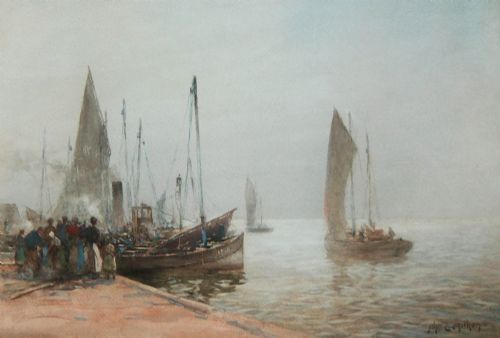
Paper Landscape Watercolour Art
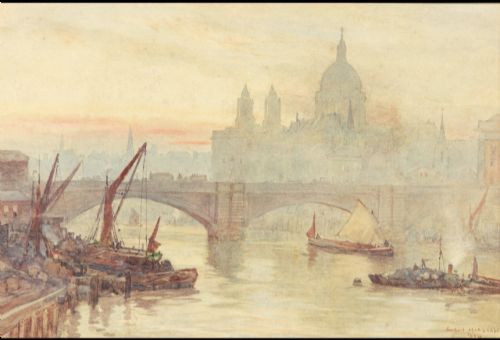
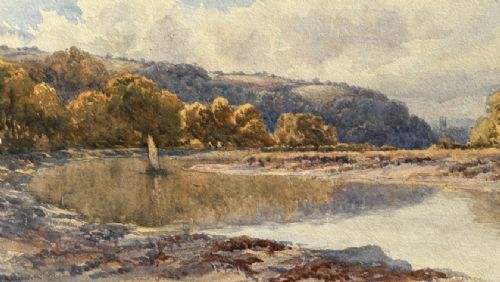
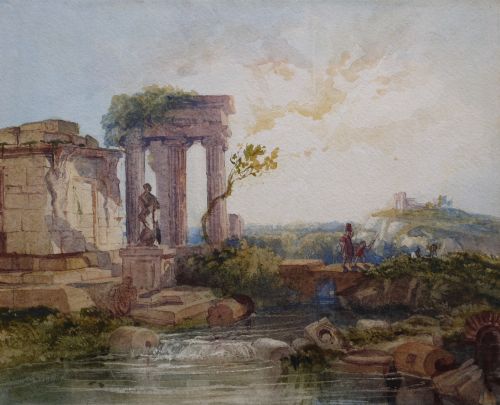
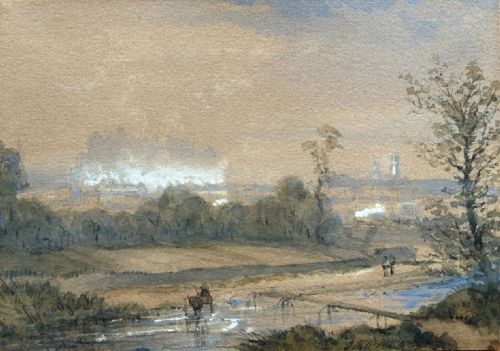
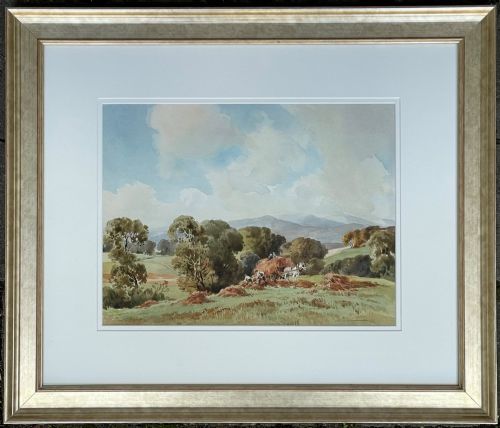
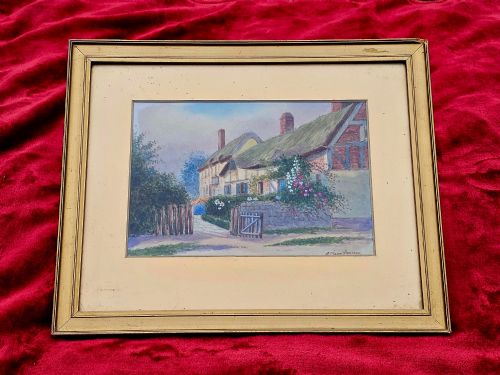
Paper landscape watercolour art captures topographical and coastal views across Britain and beyond through delicate pigment applied directly to paper.
Paper Landscape Watercolour Art
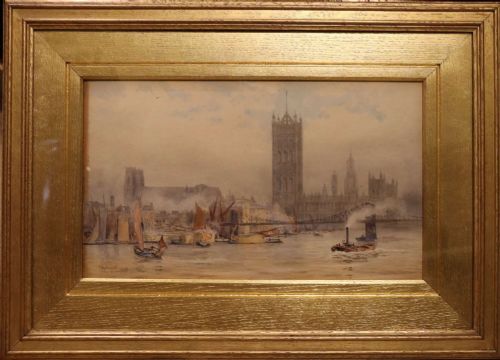
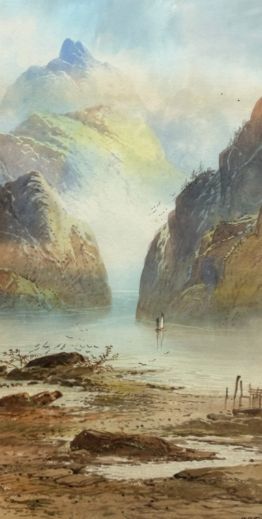
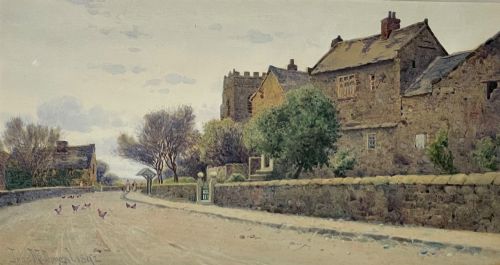
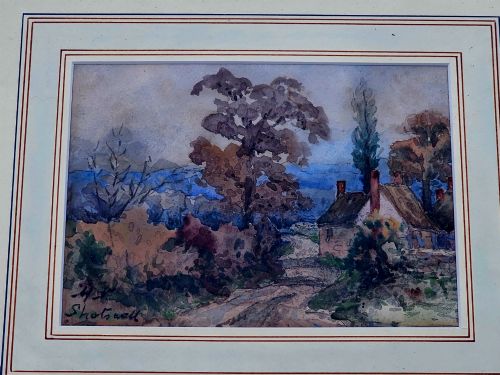
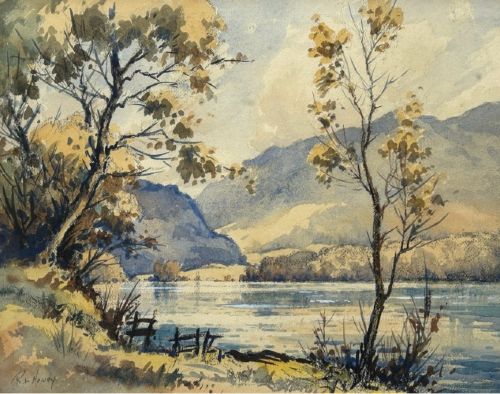
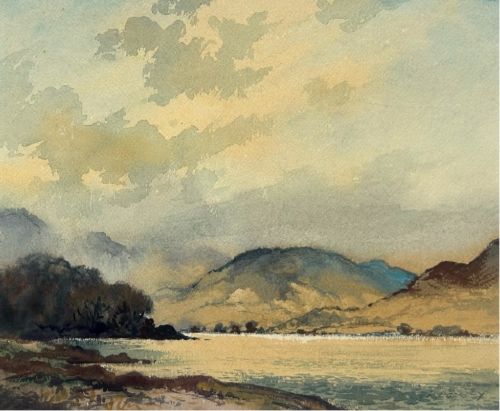
Paper landscape watercolour art encompasses original painted views executed on paper support, spanning from the Victorian and Edwardian eras into the mid-twentieth century. Buyers seeking paper landscape watercolour art will find works depicting British rivers, coastal harbours, Scottish lochs, and continental street scenes.
The selections recorded here focus heavily on nineteenth-century and early twentieth-century British regional scenes, often housed behind glass within wooden frames. These pieces offer direct insight into historical topography and the changing artistic styles of past decades.
Materials and construction
Artists utilised watercolour pigment mixed with water applied to various grades of paper, sometimes incorporating ink lines to define architectural details and landscape boundaries. Pigments were brushed onto the surface to exploit the transparency of the medium, allowing the white of the paper to supply highlights and luminosity.
Finished works frequently employed wood and glass to protect the delicate paper surface and secure the painting for display. These traditional framing materials preserved the watercolours from ambient moisture and handling damage over generations.
Listings feature paper supports combined with watercolour paint, ink, glass, and wood across various British and European schools.
Factors of distinction
Quality rests upon the artist's ability to manipulate pigment and water to achieve atmospheric depth, tonal balance, and accurate perspective within the landscape. Stronger examples display confident brushwork and precise topographical observation rather than rigid, mechanical execution.
Condition also governs distinction, as paper and watercolour pigment react sensitively to light exposure and dampness over time. Works retaining their original colour saturation and displaying minimal foxing or fading command greater attention.
James Orrock·William Henry Earp·Richard Principal Leitch·John R Prentice·Thomas Ellison
The Paper Landscape Watercolour Art Glossary
- Watercolour
- A painting method in which the paints are made of pigments suspended in a water-based solution. This medium relies on translucent washes to build colour and light.
- Foxing
- Brown spots or patches that appear on older paper due to chemical reactions over time. These blemishes are common in antique works kept in humid environments.
- Support
- The underlying material, such as paper, upon which the paint is applied. In these works, paper serves as both the ground and the reflective base for transparent washes.
- Provenance
- The chronological record of ownership tracing a piece back to its creator or original sale. Documented origins help confirm the attribution and history of a painting.
Paper Landscape Watercolour Art: Frequently Asked Questions
How should I frame paper landscape watercolour art?
Watercolours require framing behind glass to protect the absorbent paper surface from dust, moisture, and atmospheric pollutants. Acid-free mounts should be utilised to prevent chemical degradation of the paper over time.
Direct sunlight causes pigments to fade permanently, so pieces need to be hung away from bright windows. UV-protective glass offers an additional layer of defence for sensitive historical works.
How do I identify the period of a watercolour?
Stylistic clues within the landscape, framing techniques, and artist signatures help establish the date of execution. Victorian and Edwardian works often feature specific atmospheric treatments and traditional paper types.
Examine the reverse of the frame for old dealer labels, inscriptions, or dates written by the artist. These notations frequently provide reliable evidence of the creation period.
What subjects are most common?
Coastal harbours, fishing boats, and rural rivers dominate the available regional views from British artists. Topographical scenes of local towns and castles also appear frequently across the inventory.
Continental destinations like Venice and regional European landscapes gained popularity among travellers and painters during the nineteenth and early twentieth centuries. These subjects reflect the contemporary taste for scenic exploration.
Are these works always signed by the artist?
Signatures appear on many pieces, often placed in the lower corners in pencil, ink, or watercolour. Monograms and dated inscriptions can also confirm the identity of the painter.
Unsigned works remain common, attributed instead through style, subject matter, or archival records. These anonymous pieces still represent the standard techniques of their respective periods.