

Paper Etching Artwork
When you search for paper etching artwork, you encounter centuries of printed history created on delicate sheets using ink and pressure.
Paper Etching Artwork
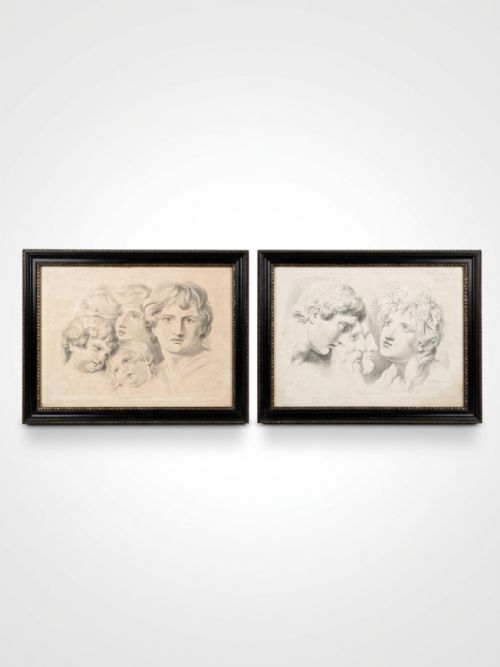
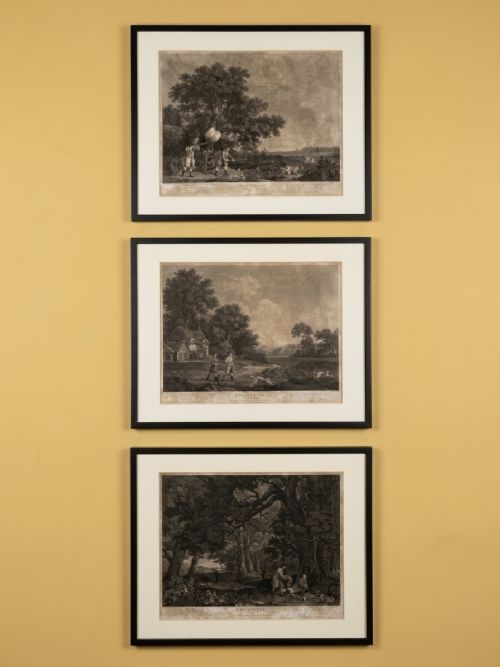
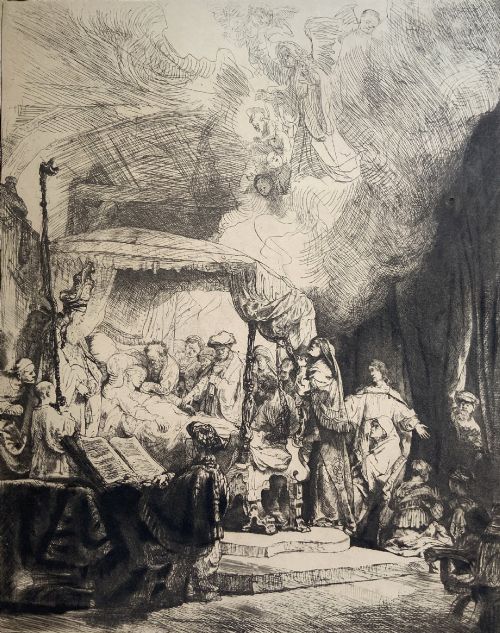
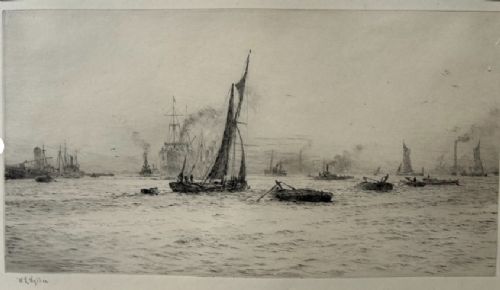
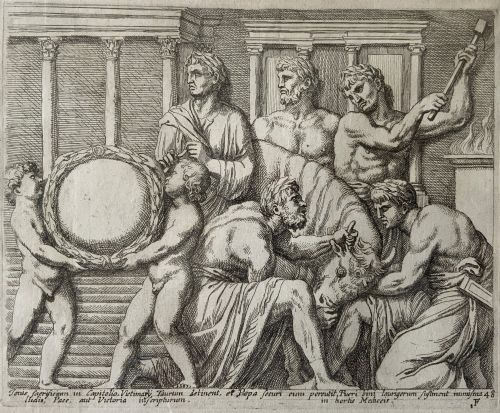
Paper etching artwork encompasses fine art prints, engravings, and wall art produced across multiple historical eras. You meet pieces originating from the seventeenth century through to the twentieth century, reflecting shifting tastes in subject matter.
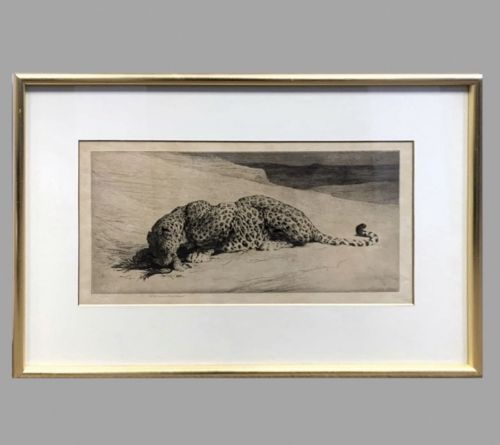
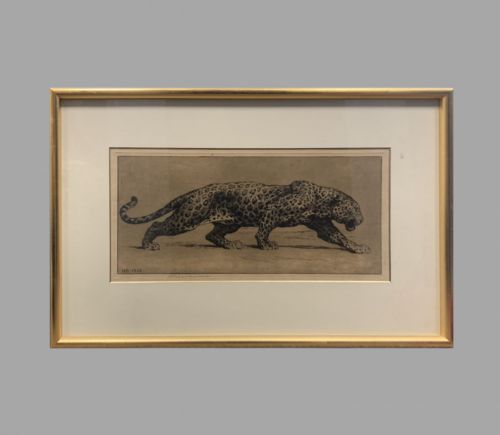
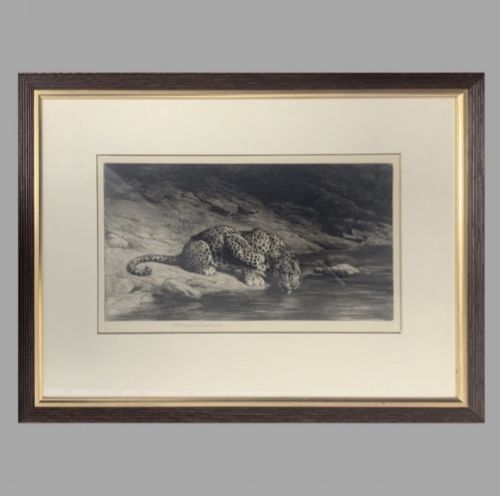
The selections on this page run from early topographical scenes and portraits to animal studies and literary illustrations. Many examples arrive housed within period surrounds such as original Hogarth frames or gilt wood moulding.
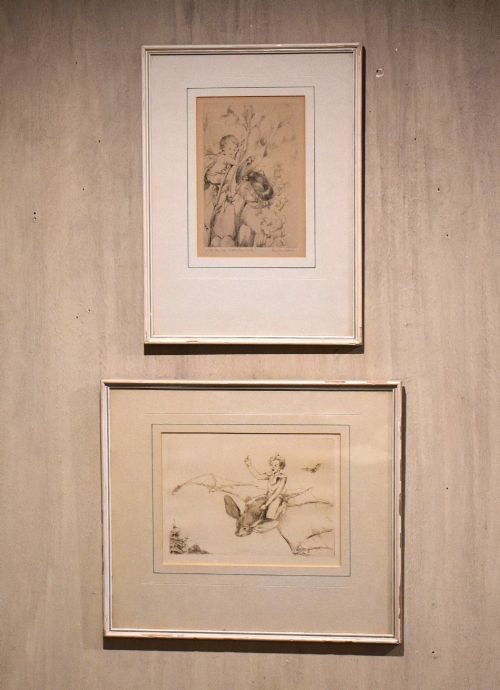
Makers and artists range from classical printmakers to twentieth-century figures producing signed artist proofs. The forms span individual framed prints, portfolio collections, and hand-coloured plates.
How they were made
These works rely on paper supports combined with dark or tinted ink transferred through plate pressure. Many historical examples incorporate hand-applied watercolour washes or tinting applied directly over the printed lines.
Framing materials commonly include wood, glass, cardboard backings, and gold leaf highlights. Protective glazing preserves the fragile paper surfaces from atmospheric moisture and handling damage.
Paper Etching Artwork Retail Price Guide 2026
Typical asking prices for paper etching artwork among the pieces listed under this phrase on Sellingantiques today, from the lower quarter to the upper quarter. They describe what is for sale here now, not the wider market.
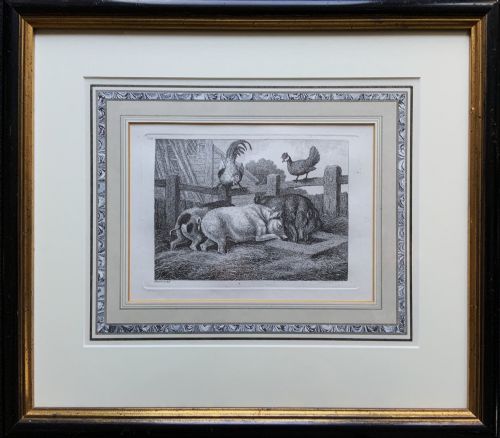
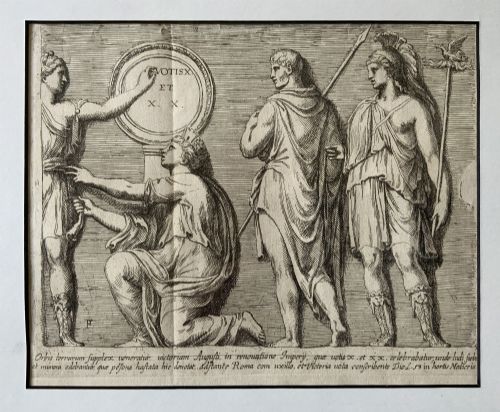
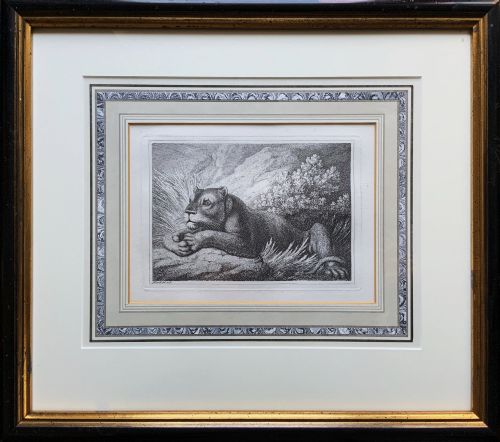
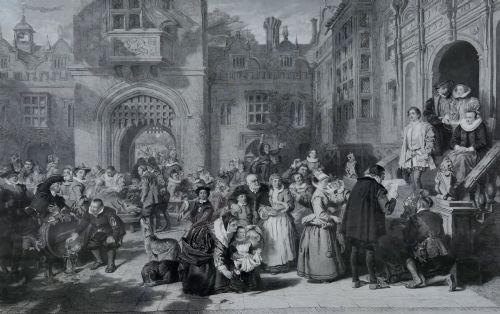
Several Victorian plates capture farmyard pigs, recumbent lions, and energetic bull bitches alongside grand classical architecture.
What varies in quality
The strength of the ink impression and the clarity of the fine lines dictate the visual impact of an etching. Impressions taken early from a metal plate display crisp detail that fades as the plate wears down over multiple printings.
The condition of the paper itself influences desirability, including tone, marginal preservation, and the presence of original artist signatures in pencil. Original framing components and period provenance labels also contribute significantly to the character of a piece.
Marjorie L Davies·Samuel Howitt·François Perrier·William Woollett·Edward Fisher·Herbert Dicksee·Louis Icart·William Hogarth·James Dobie
The Paper Etching Artwork Glossary
- Etching
- A printmaking technique where acid bites lines into a metal plate to hold ink. The plate then transfers these lines onto paper under heavy press pressure.
- Engraving
- A method of cutting design lines directly into metal using a sharp tool called a burin. This produces clean, precise strokes without the use of acid baths.
- Aquatint
- A printmaking variation that achieves tonal areas of grey and shadow. It uses powdered resin on the metal plate to create granulated effects resembling watercolour washes.
- Artist proof
- A trial impression pulled to check the state of the print before the main edition. These often carry pencil signatures and hold particular interest for collectors.
- Mezzotint
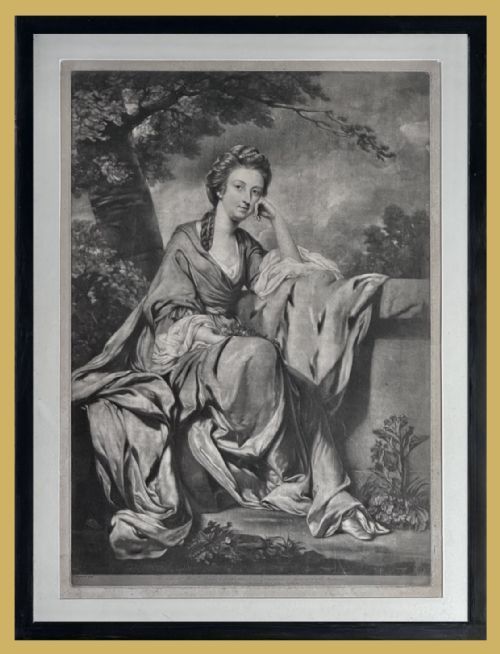
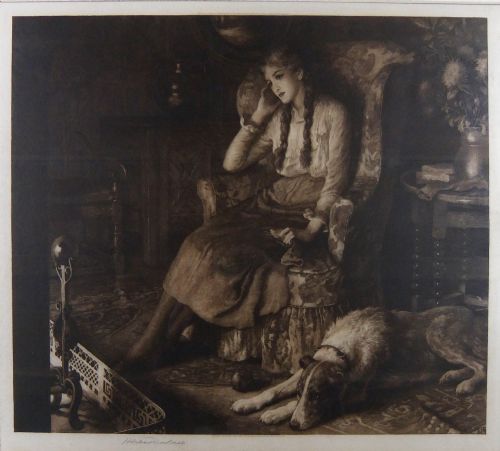
- A tonal method where the metal plate is roughened evenly to print solid black, then scraped back for lighter areas. This process yields rich gradations of light and shade.
Paper Etching Artwork: Frequently Asked Questions
How do I identify a genuine antique etching?
Examine the paper surface under magnification to check for a pressed plate mark where the metal edge compressed the sheet. Genuine impressions show slight ink displacement and paper texture rather than uniform dot patterns.
Check the reverse for historical collector stamps, framing remnants, or gallery labels. Older papers also display natural ageing tones appropriate to their stated century.
What is the difference between an etching and an engraving?
An etching relies on acid to bite lines into a metal plate coated with an acid-resistant ground. This process creates free-flowing, organic lines with slightly softened edges.
An engraving uses a steel tool called a burin to manually gouge grooves into the metal. The resulting lines appear sharper, stiffer, and possess distinct swelling points at the ends.
How should I display paper etching artwork at home?
Mount these pieces behind conservation-grade glass to block ultraviolet light that causes fading on old paper. Keep them away from direct sunlight and damp environments such as kitchens or unheated rooms.
Use acid-free mounting boards and spacers inside the frame to prevent the paper from touching the glass directly. Stable indoor humidity protects both the paper support and any historic wood frames.
Why do some prints feature hand colouring?
Publishers often employed artists to apply watercolour washes by hand to monochrome prints after printing. This practice added visual appeal and depth to topographical views and sporting scenes.
Hand-coloured plates vary slightly from copy to copy depending on the individual painter's palette. This technique was particularly common across eighteenth and nineteenth-century production.