
Paper Engraving Print
When searching for paper engraving print, collectors find historic works on paper ranging from grand mezzotint portraits to detailed cartography.
Paper Engraving Print
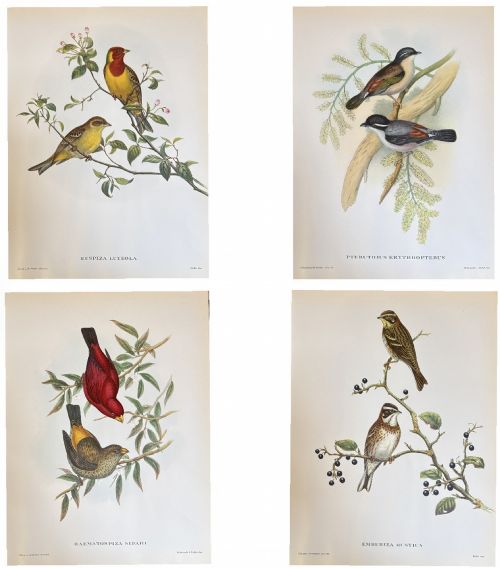
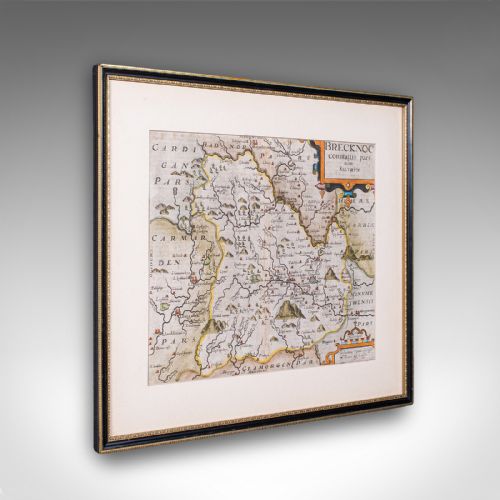
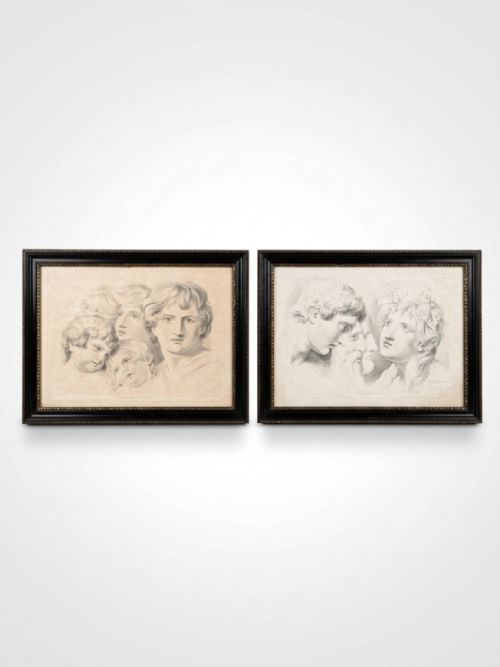
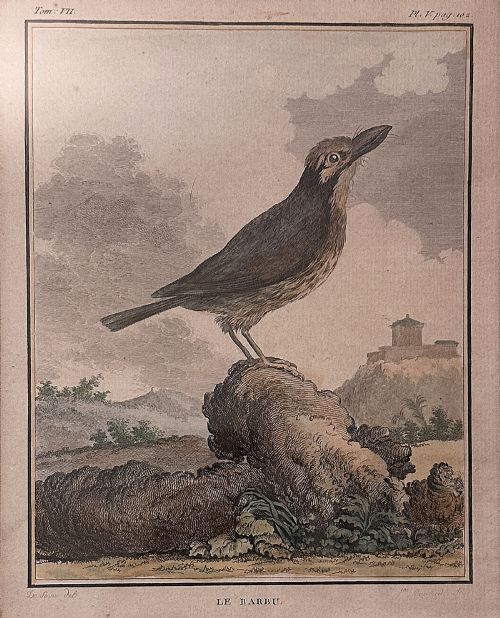
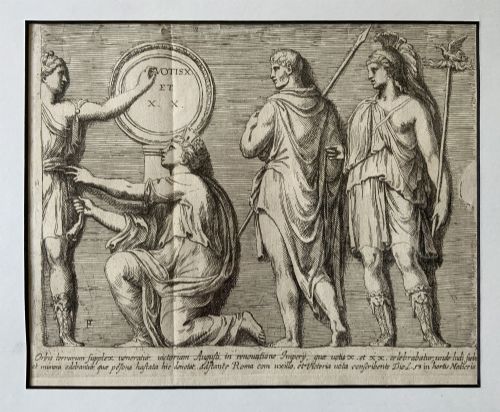
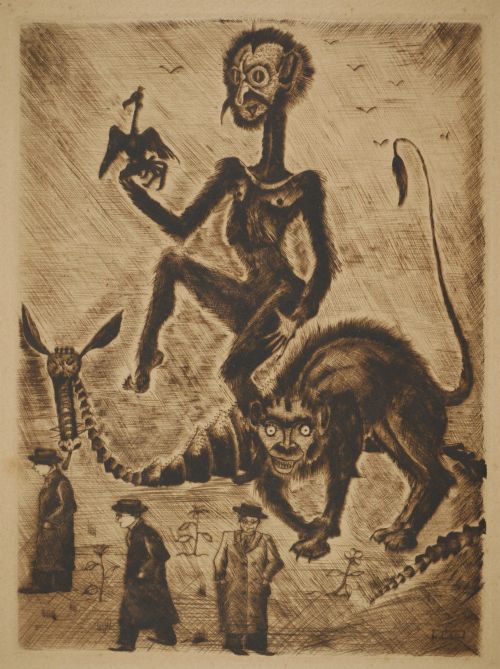
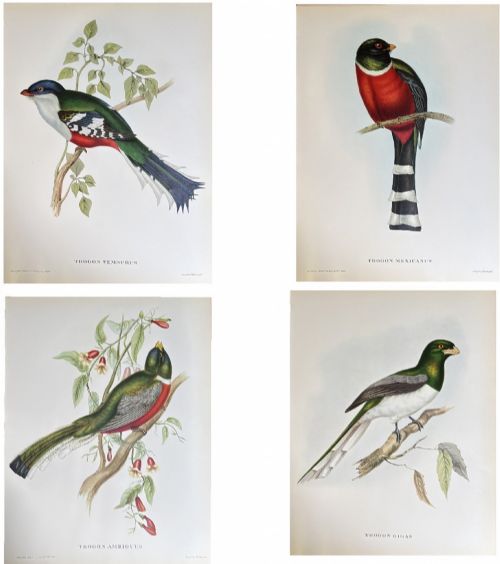
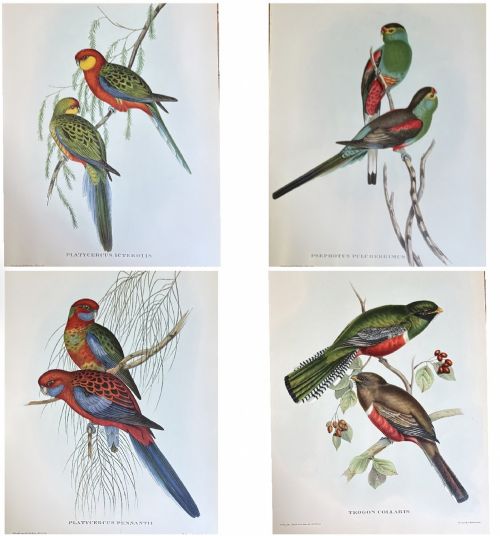
A paper engraving print encompasses a wide variety of historic graphic works, spanning from the seventeenth century through to the mid-twentieth century. The selection ranges from classical antiquity etchings and anatomical studies to tropical bird illustrations and topographical maps.
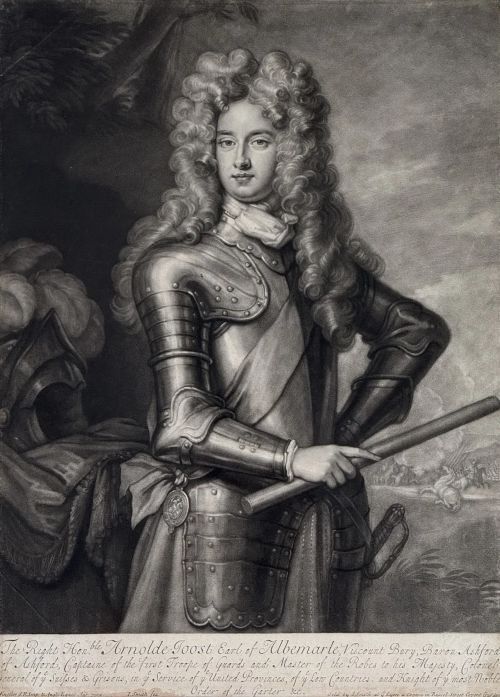
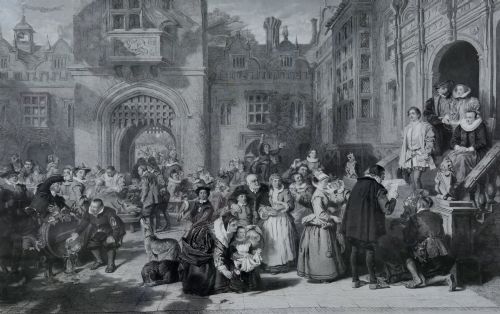
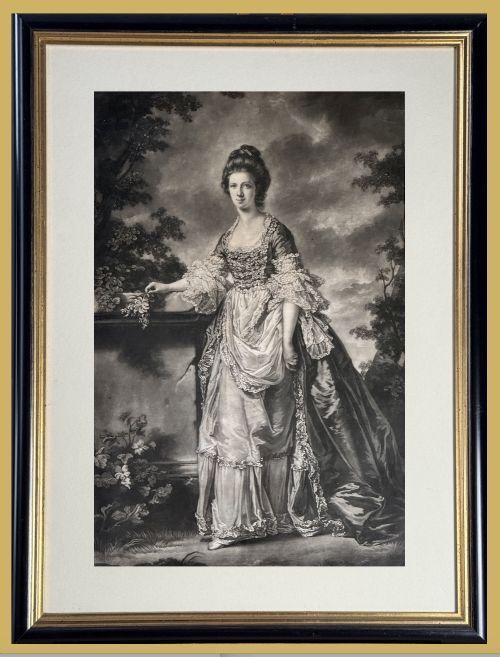
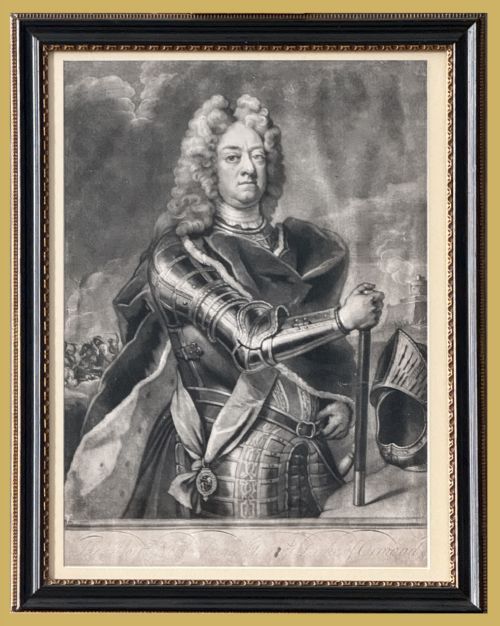
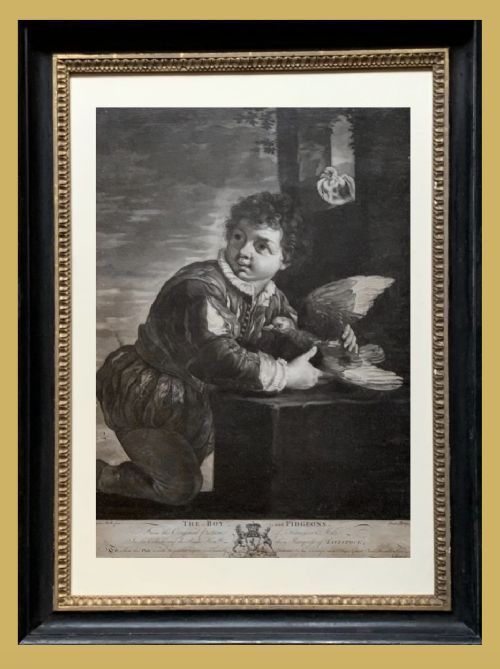
Portraiture dominates the early periods, particularly mezzotint engravings depicting nobility, military leaders and society figures after prominent painters. Buyers also encounter architectural subjects, allegorical scenes of cupids and angels, and narrative sporting scenes.
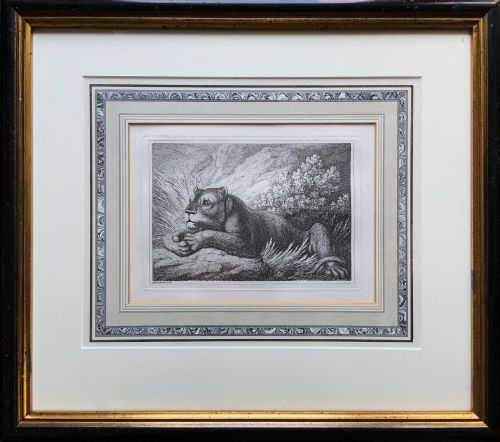
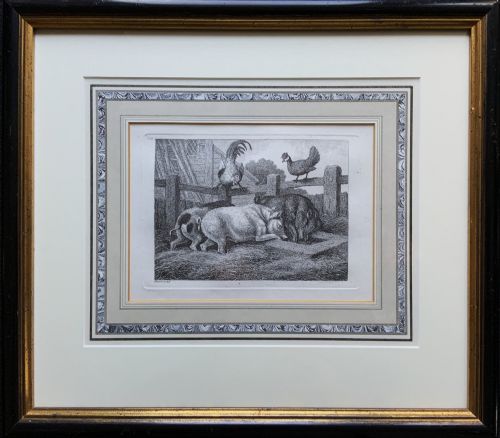
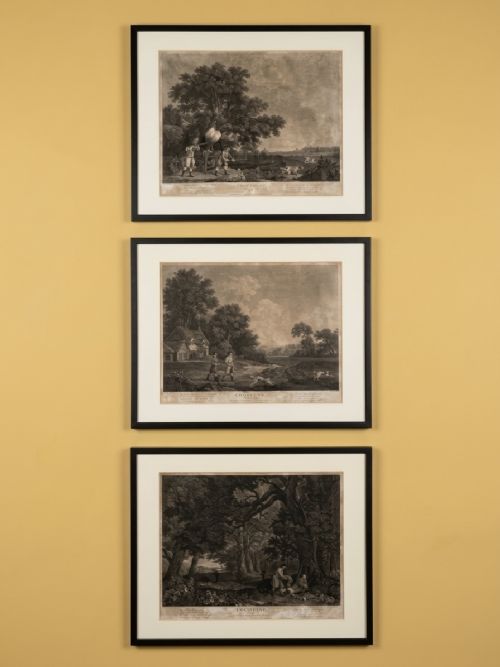
The physical format varies significantly, incorporating unframed sheets, matching sets, and framed works housed in period mouldings such as gilt wood or Hogarth frames. Many pieces preserve their original margins and contemporary plate marks, which help identify their printing era.
How they were made
Printmakers utilised copper or steel plates for intaglio printing, incising lines directly with burins or roughening surfaces with rocker tools to create rich mezzotint tones. Ink was pressed into these recesses before damp paper was applied under heavy roller pressure.
Black and coloured inks on varied paper stocks form the primary physical medium, occasionally supplemented by hand-applied watercolour washes. Framing materials incorporate glass, timber, and gold leaf applied to wooden mouldings.
Listings feature works spanning the 17th, 18th, and 19th centuries, utilising ink, watercolour, and gold leaf on paper.
What varies in quality
Impression strength dictates visual depth, separating sharp early strikes from worn later printings where plate details soften. Rich velvety darks in mezzotints and crisp lines in etchings demonstrate superior craftsmanship.
Sheet preservation and paper integrity influence desirability, particularly the presence of wide margins, absence of heavy foxing, and retention of original pigment vibrancy in hand-coloured examples.
John Simon·John Boydell·Edward Fisher·Francesco Bartolozzi·John Smith·James Watson·Joseph Sympson·W Dickinson·James McArdell·Thomas Watson·Robert Williams·Valentine Green·Richard Houston·Jacobus Howbraken
The Paper Engraving Print Glossary
- Mezzotint
- A tonal method of engraving where the copper plate is roughened uniformly to produce rich areas of dark shade and subtle gradients. This technique was widely favoured for eighteenth-century portraiture after master painters.
- Etching
- A process where lines are bitten into a metal plate using acid rather than direct cutting tools. Artists apply a protective ground, draw through it to expose the metal, and submerge the plate in an acid bath.
- Plate mark
- The indented border left on the paper by the edge of the metal plate during the high-pressure printing process. Its presence confirms an original impression from a historic plate.
- Foxing
- Brown spots and discolouration that develop on historic paper over time due to chemical reactions involving iron impurities and humidity. Proper storage helps prevent further spreading.
- Stipple engraving
- A technique utilising dots of varying density and size to render tonal gradations and flesh tones. This method gained popularity for reproducing delicate portraits.
Paper Engraving Print: Frequently Asked Questions
How do I care for antique paper prints?
Keep framed pieces away from direct sunlight to prevent fading of both the ink and any hand-applied watercolours. Maintain stable indoor humidity levels to protect the historic paper stock from warping or deterioration.
Ensure that framing uses acid-free backing materials and UV-filtering glass where possible. Professional framing safeguards the delicate margins and prevents direct contact between the paper and the glass.
What is the difference between an etching and a mezzotint?
An etching relies on acid to bite lines into a metal plate, creating linear detail and sharp contours. The artist draws through a waxy ground before the acid bath does the cutting work.
A mezzotint builds an image from dark to light by roughening the entire plate surface with a rocker tool to hold ink deeply. Scrapers and burnishers are then used to smooth areas for highlights, producing velvety tones.
Are these prints original period impressions?
The listings include original historic impressions printed from the plates during the seventeenth, eighteenth, nineteenth, and early twentieth centuries. Paper analysis, plate marks, and ink characteristics help verify the printing era.
Examine the sheet edges and paper texture for signs of age appropriate to the stated period. Contemporary framing and visible platemarks further support the historic origin of the work.
How should I display antique wall art?
Hang prints on interior walls sheltered from extreme temperature fluctuations and moisture, such as damp exterior walls or near heat sources. Grouping companion sets together, such as botanical or topographical series, creates a balanced visual display.
Select appropriate period frames like Hogarth moulding or simple gilt wood to complement the aesthetic of the artwork. Ensure secure wall fixings support the weight of the framed glass and timber.