


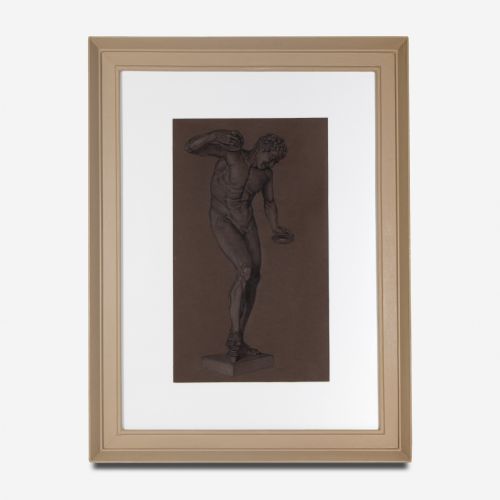
Paper Classical Sketches
Paper classical sketches bring antique draughtsmanship directly to your walls, preserving the academic studies and portraits handed down through centuries.
Paper Classical Sketches
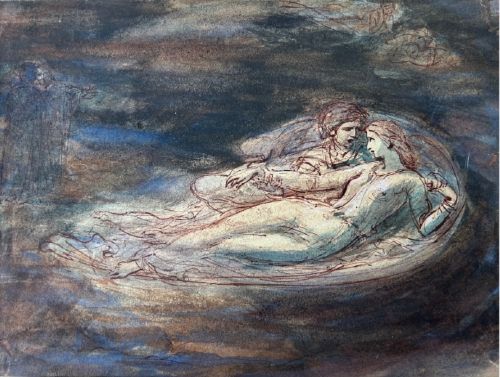
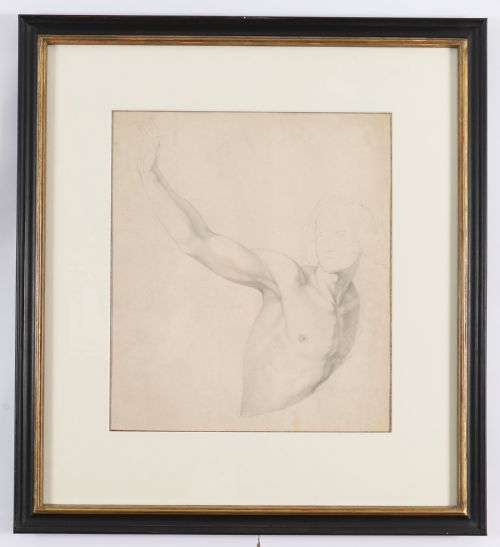
Paper classical sketches represent historic academic studies, figure drawings, and mythological compositions drawn from antiquity and the old masters. When exploring paper classical sketches, you encounter framed original artworks executed in graphite, charcoal, ink, and chalk.
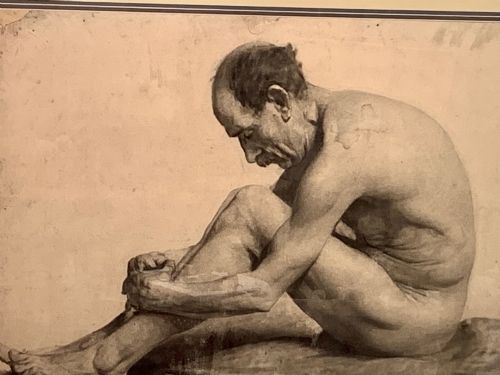
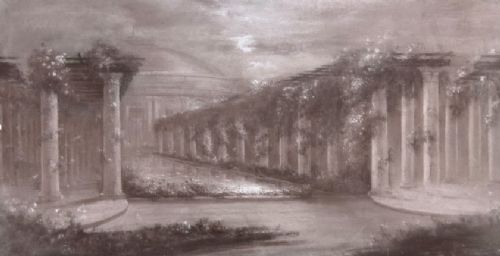
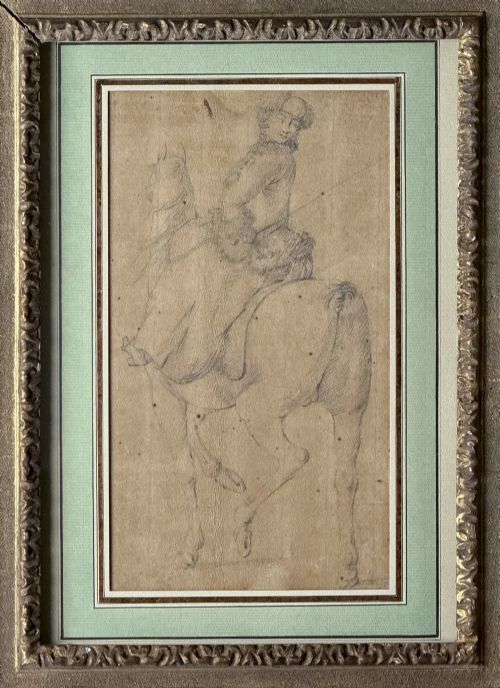
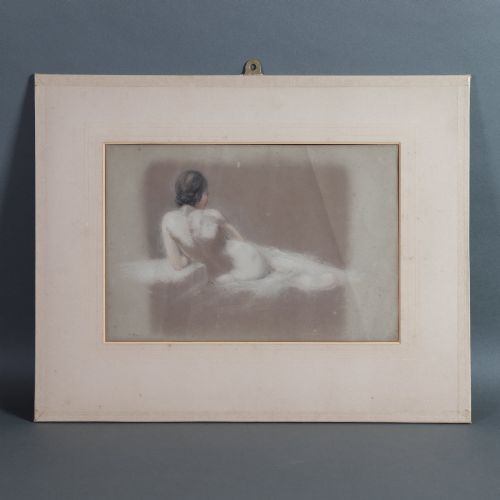
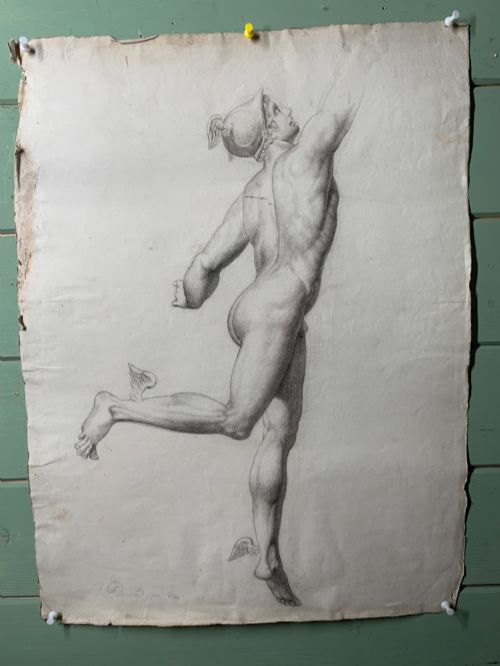
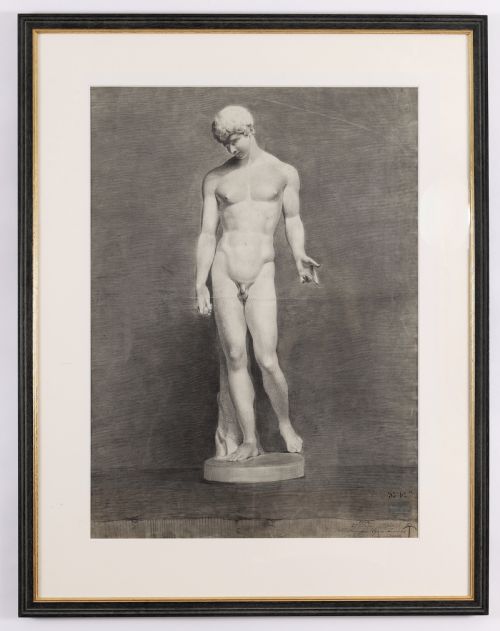
The selections span the Georgian period, the eighteenth and nineteenth centuries, alongside twentieth-century examples. You will frequently find life studies of male and female nudes, equestrian scenes, and architectural drawings reflecting rigorous training.
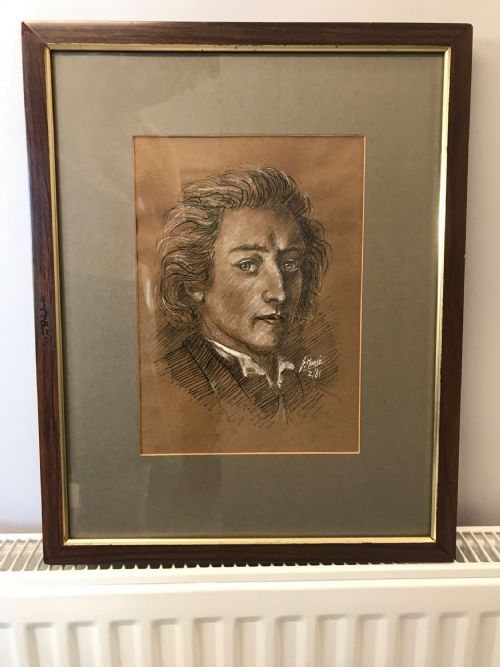
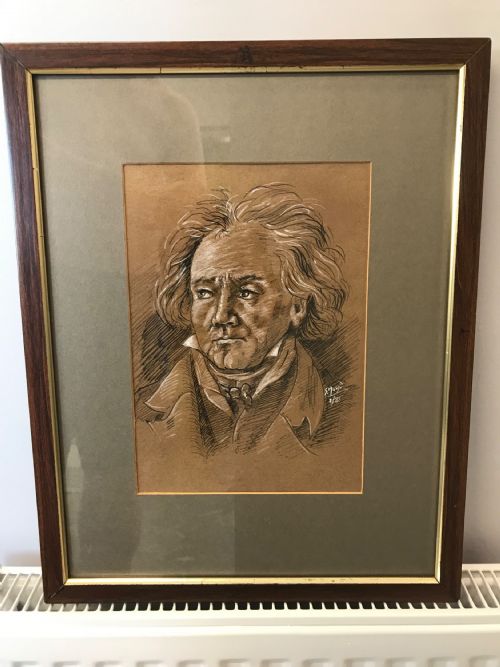
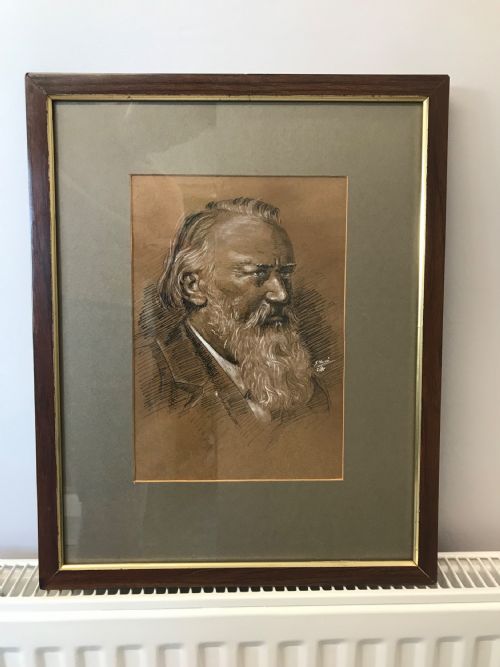
Subjects range from mythological figures like the god Hermes and the Farnese Hercules to portraits of composers and historical personages. These works bridge informal preparatory studies and finished cabinet pieces.
How they were made
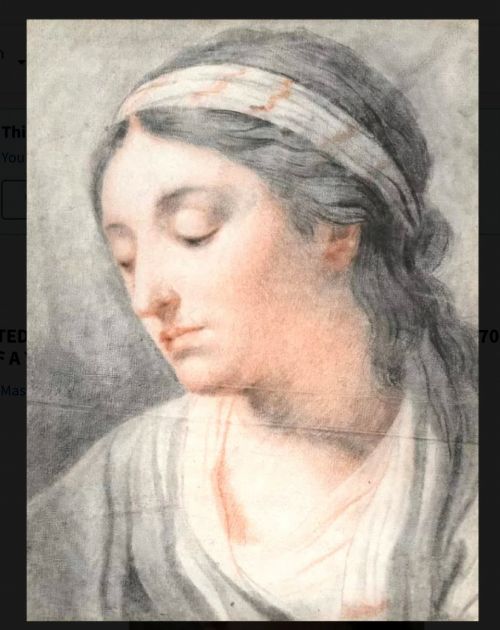
Artists utilised dry media such as graphite, charcoal, red chalk, and sanguine directly on paper surfaces. Washed effects were achieved using pen and ink combined with watercolour or gouache.
Many sheets were mounted onto canvas stretchers or framed behind glass for preservation. Some eighteenth-century examples feature recto and verso drawings on a single sheet of paper.
One youthful student proudly recorded their age as seventeen alongside an architectural rendering of a royal palace.
What varies in quality
Quality rests upon the sureness of the draughtsman's line, anatomical accuracy, and the expressiveness achieved within an academic study. A master hand reveals itself in the confident handling of shadow and contour.
The condition of the paper surface, stability of the medium, and presence of period framing contribute significantly to the standing of each individual piece.
William Etty·Henry Arthur Roberts
The Paper Classical Sketches Glossary
- Recto and verso
- The front and back of a sheet of paper respectively. Both sides frequently contain independent sketches in earlier works.
- Sanguine
- A type of red chalk used widely for figure drawing and portrait sketches. It produces warm, earthy tones favoured by classical artists.
- Academic life study
- A drawing produced from a live model within an instructional studio setting. These sheets demonstrate mastery of human anatomy and proportion.
- Wash
- A diluted layer of ink or watercolour applied with a brush to create tonal depth. It provides broad areas of shadow behind linear work.
- Neoclassical
- An artistic style drawing inspiration from the classical art and culture of ancient Greece and Rome. It emphasises proportion, restraint, and classical subjects.
Paper Classical Sketches: Frequently Asked Questions
How do I care for paper sketches?
Keep works framed behind glass away from direct sunlight to prevent fading of graphite, ink, and watercolour media.
Maintain stable humidity levels in the room to protect the integrity of antique paper over time.
Were these sketches meant to be finished art?
Many examples began as preparatory exercises or academic training pieces rather than final exhibition works.
Artists often retained them in portfolios to record poses, compositions, and anatomical details for later paintings.
How can I tell an eighteenth-century drawing apart from a nineteenth-century one?
Eighteenth-century sheets often display distinct paper watermarks, iron gall ink degradation, and softer red chalk or sanguine handling.
Nineteenth-century academic pieces frequently show sharper graphite lines and stricter adherence to institutional life-drawing curricula.
Why are some drawings after other artists?
Copying established old master paintings and classical sculptures formed a core component of traditional artistic education.
Students honed their technical skill and understanding of proportion by rendering renowned works by artists like Raphael and Van Dyck.