
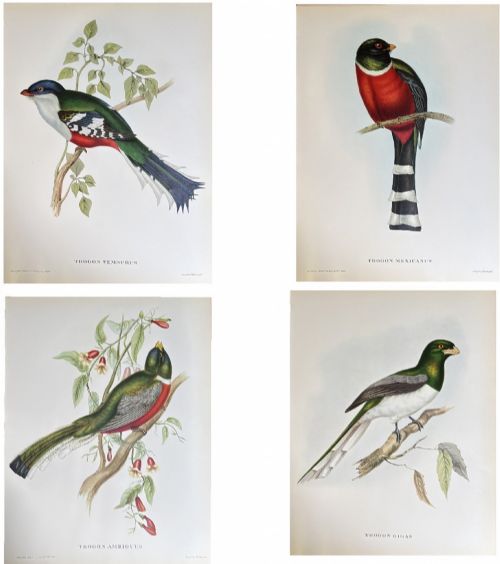
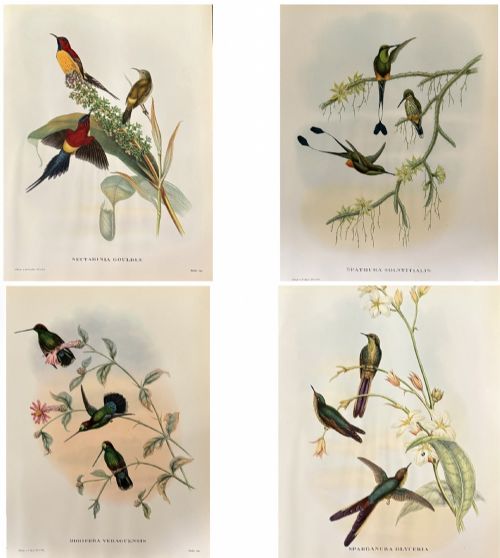
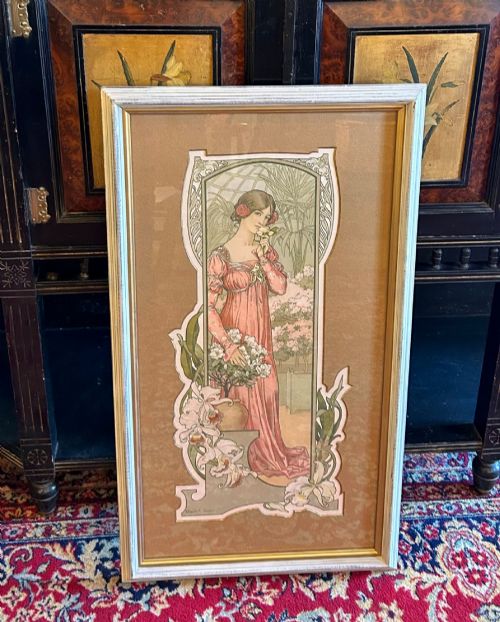
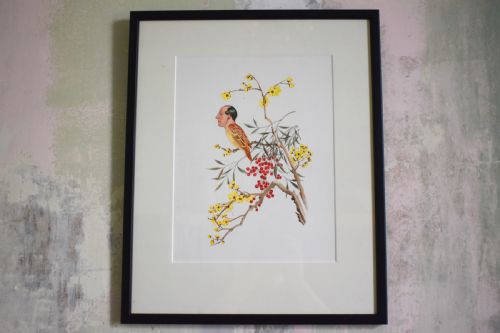


Paper Botanical Prints
Paper botanical prints capture the enduring scientific and aesthetic fascination with flora and fauna across centuries.
Paper Botanical Prints
Paper botanical prints encompass historical illustrations, engravings, and watercolours depicting plants, flowers, and natural history specimens. Collectors encounter works originating from the Georgian period through to the mid-twentieth century, showcasing diverse regional origins from British natural history plates to Chinese export art.
Buyers select these works to bring period character and natural detail into residential and study interiors. The groupings often include related studies of birds, insects, and fruit alongside traditional floral subjects.
How they were made
Makers utilised paper as the primary support, applying ink, watercolour pigment, and occasionally gold leaf to achieve fine detail. Engravings and lithographs provided the foundational lines, which were frequently finished by hand with watercolour.
Framed pieces incorporate wood and glass to protect the delicate paper supports from atmospheric damage. Selected works also integrate dried flora or appear as paintings on alternative organic bases such as pith.
Listings feature paper supports combined with watercolour, ink, and gold leaf across the Georgian, nineteenth-century, and 1950 periods.
What varies in quality
Quality rests upon the precision of the initial printing or painting and the vibrancy of the surviving pigments. Hand-coloured plates display subtle gradations of tone that distinguish superior artistic execution from simpler production.
The condition of the paper support and the integrity of any associated framing or mounting materials influence the overall presentation. Complete sets retain greater visual cohesion compared to dispersed individual plates.
John Curtis·Elisabeth Sonrel·Owen Bowen·John Sherrin·George Edwards
The Paper Botanical Prints Glossary
- Engraving
- An intaglio printing process where an image is incised into a metal plate to hold ink. This technique allows for exceptionally fine lines and precise scientific illustration.
- Lithography
- A planographic printing method based on the repulsion of oil and water on a stone or metal plate. It enabled accurate reproduction of tonal watercolours and botanical hues.
- Hand-coloured
- A print finished by hand using watercolours or other pigments after the initial impression. This practice enhanced the naturalistic appearance of botanical and ornithological plates.
- Pith paper
- A delicate material prepared from the pith of the Tetrapanax papyrifer plant, utilised in Chinese export art for vibrant watercolour paintings.
Paper Botanical Prints: Frequently Asked Questions
How should I frame antique paper prints?
Protect delicate paper supports and pigments by using acid-free mounts and UV-filtering glass during framing. This prevents discolouration and deterioration over time.
Keep framed prints away from direct sunlight and damp environments to preserve the integrity of the paper and any hand-applied watercolours.
Are these prints original period works?
The inventory comprises historical works dating from the Georgian era through to the mid-twentieth century, created using traditional printing and painting methods.
Each listing specifies the associated period and medium to clarify the age and production technique of the piece.
How do I identify botanical prints from different centuries?
Stylistic shifts in typography, hand-colouring techniques, and paper watermarks help distinguish Georgian and nineteenth-century plates from later twentieth-century productions.
Examining the printing method, whether engraving, lithography, or watercolour, provides further evidence of the historical production period.
Can I buy complete sets of prints?
Selected listings offer multi-plate sets, such as groups of tropical bird prints or botanical specimens with insects and plants.
Acquiring a complete set preserves the original publication format intended by the creators or publishers.