


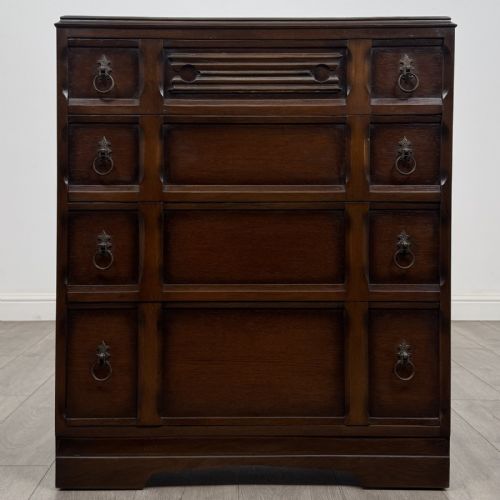
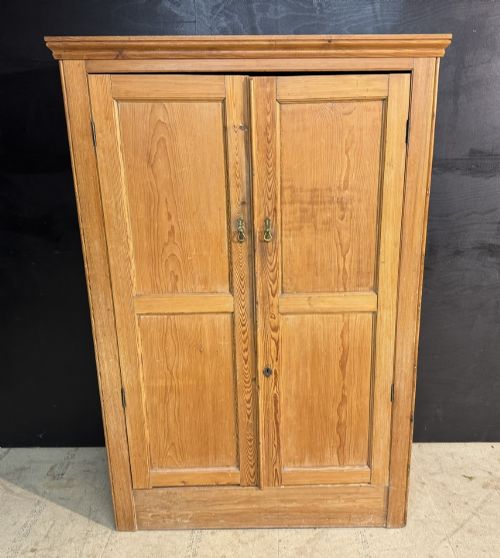
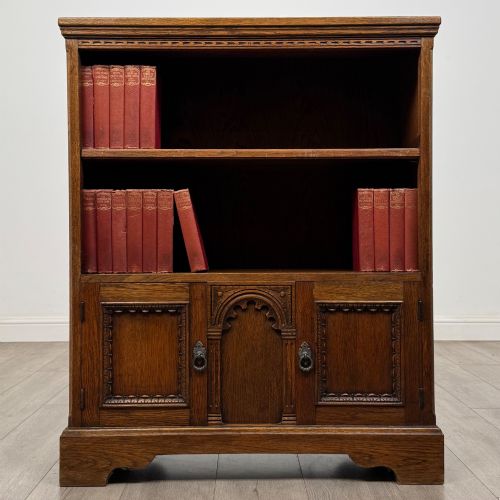
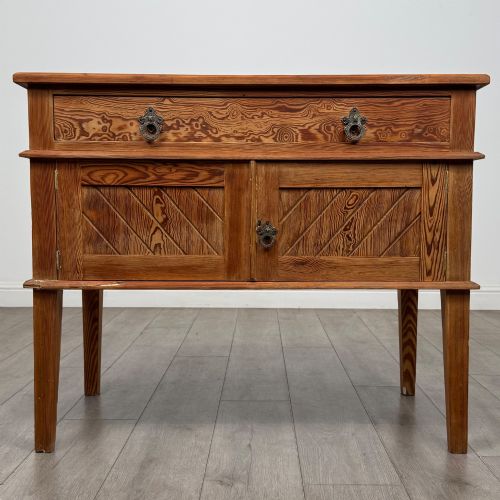
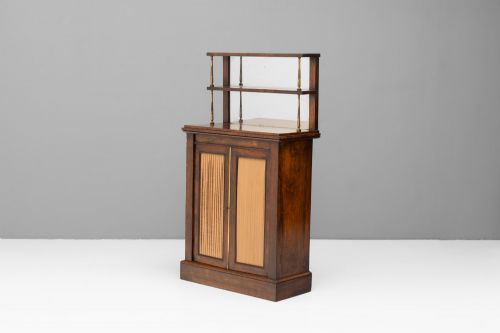
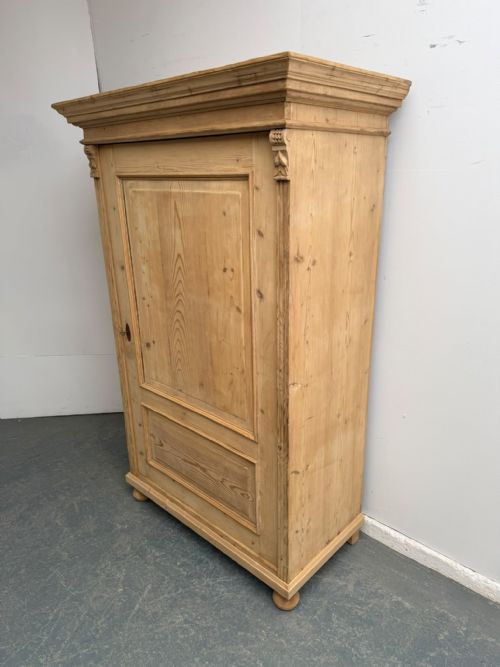


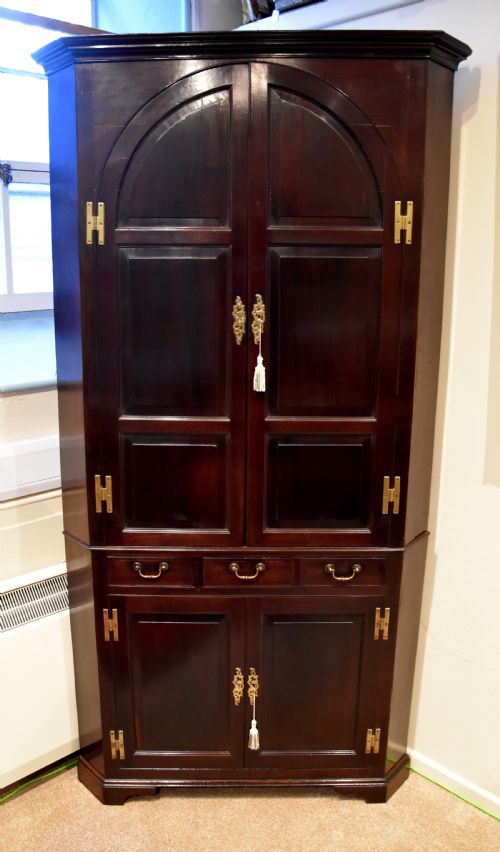


Panelled Storage Unit
When you choose a panelled storage unit, you select a robust timber piece designed to organise household goods through centuries of domestic life.
Panelled Storage Unit
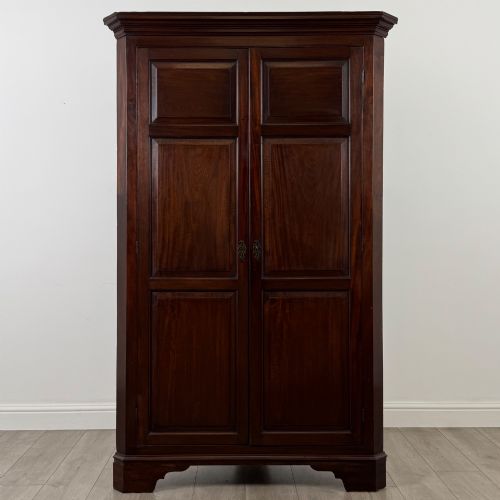
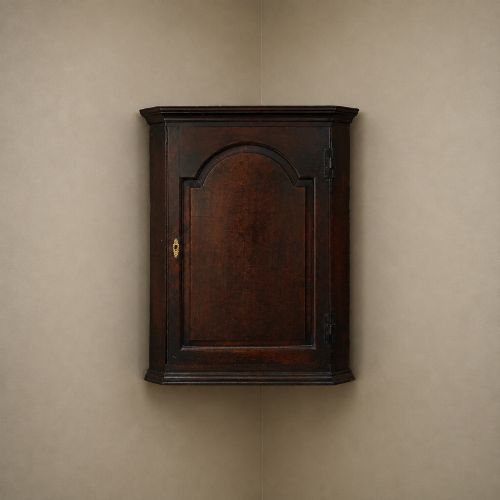
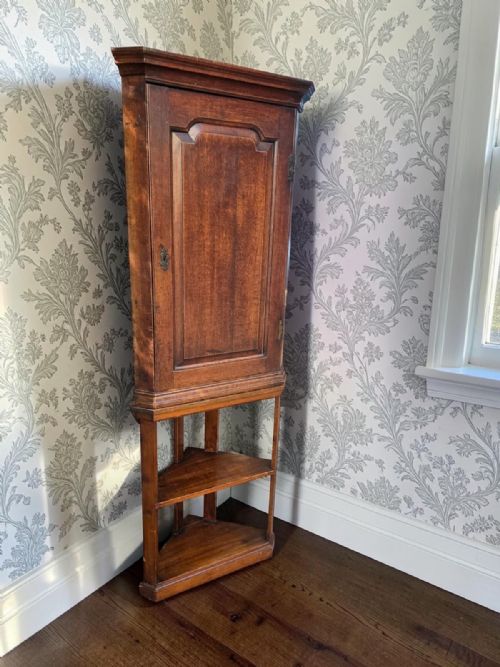
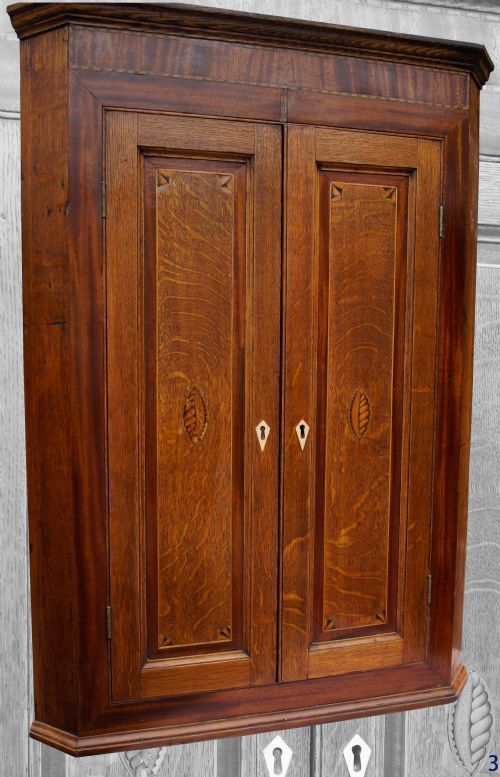
A panelled storage unit comprises timber furnishings built to contain belongings, encompassing corner cabinets, bookcases, chests of drawers, and cupboards. Buyers searching for a panelled storage unit encounter robust domestic pieces designed to house books, linens, and provisions in domestic spaces.
The selections span distinct periods, running from Georgian and 18th-century designs through Victorian and Edwardian examples to 1920s work. Oak and mahogany dominate the forms, accompanied by pine, pitch pine, walnut, rosewood, and fruitwood.
Corner cupboards and standing cabinets appear frequently alongside side cabinets and larder cupboards. These forms originate from English, Welsh, French provincial, and Indian workshops.
How they were made
Cabinet makers built these units using solid timbers including oak, mahogany, and pine, often framing doors with fielded panels. Structural joinery relied on traditional framing techniques to accommodate seasonal timber movement.
Hardware additions such as brass handles and iron fittings completed the construction of these storage pieces. Surfaces received wax, paint, or polish finishes depending on regional workshop practices.
Panelled Storage Unit Retail Price Guide 2026
Typical asking prices for panelled storage unit among the pieces listed under this phrase on Sellingantiques today, from the lower quarter to the upper quarter. They describe what is for sale here now, not the wider market.
Listings feature oak, mahogany, pine, rosewood, walnut, and fruitwood across Georgian, Victorian, Edwardian, and 1920s periods.
What varies in quality
Construction standards separate basic utility pieces from refined cabinet work through timber selection and joinery precision. Dense hardwoods like Cuban mahogany and quarter-sawn oak indicate superior material sourcing.
Proportion and decorative restraint dictate the distinction between provincial vernacular items and formal architectural pieces. Well-executed raised galleries, carved doors, and original brass hardware elevate the standing of a cabinet.
The Panelled Storage Unit Glossary
- Fielded panel
- A central wood panel with bevelled edges designed to fit within a grooved frame. This technique allows the timber to expand and contract without splitting.
- Corner cupboard
- A specialised storage cabinet built with a triangular footprint to fit room intersections. These items appear in both wall-hanging and floor-standing formats.
- Dresser base
- A low cabinet featuring cupboards or drawers beneath a flat top surface. These utilitarian forms served dining rooms and kitchens for domestic preparation.
- Quarter-sawn
- Timber cut radially from the growth rings to produce stability and prominent grain patterns. Oak processed this way displays distinctive medullary rays.
- Raised gallery
- A low decorative railing positioned along the upper surface of a cabinet or chest. This feature prevents items from sliding off the top.
Panelled Storage Unit: Frequently Asked Questions
Where should I place a corner cupboard?
Corner cupboards suit awkward angles and empty room intersections where standard rectangular furniture fails to fit. They utilise vertical wall space effectively while providing enclosed storage.
Position them away from direct heat sources and strong sunlight to protect the timber construction and surface finishes from warping or fading over time.
How do I care for an oak cabinet?
Dust timber surfaces regularly with a soft cloth and apply natural beeswax periodically to nourish the grain. Avoid chemical sprays that strip traditional finishes.
Keep indoor humidity stable to prevent timber shrinkage and movement within the panelled doors and structural joints.
What is a larder cupboard?
A larder cupboard functions as tall kitchen storage designed originally for provisions before modern refrigeration. These pieces provide deep shelving behind panelled doors.
In modern rooms, they serve as kitchen pantries or general utility storage for dry goods and household items.
How do I date an 18th-century cupboard?
Examine the timber species, hand-cut joinery marks, and backboards to determine age. Eighteenth-century pieces frequently display pegged mortise and tenon joints alongside hand-sawn secondary woods.
Hardware placement and fastener types also provide clues, as machine-made screws and hinges appeared in later industrial periods.