


Panelled Oak Door
A panelled oak door brings weight and timber grain to an interior, whether hung in a frame or built into a cupboard.
Panelled Oak Door
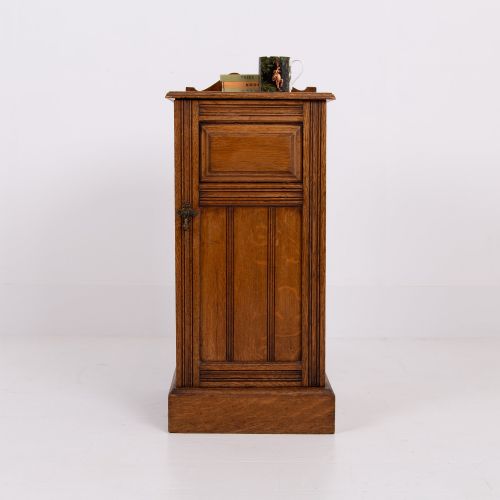
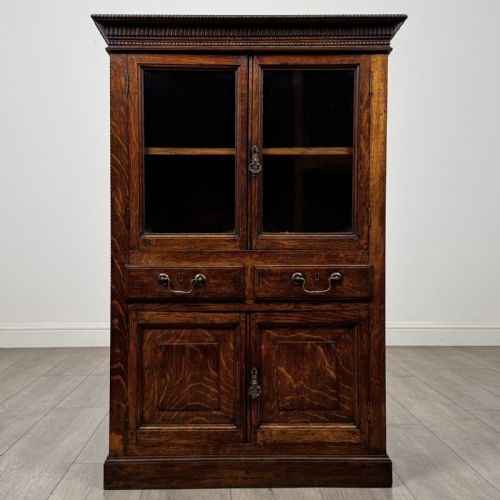
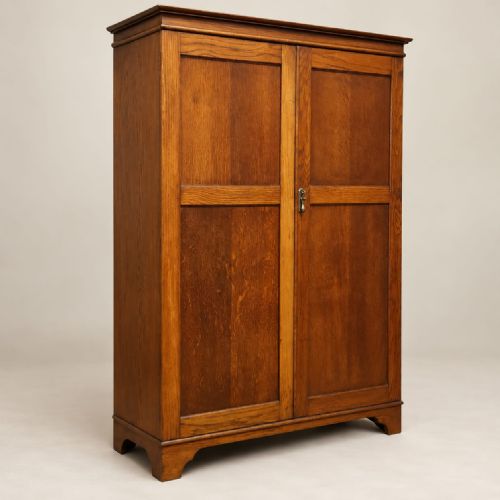
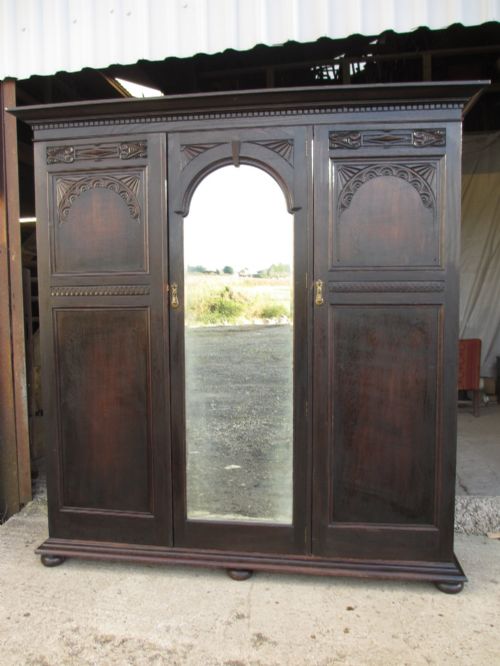
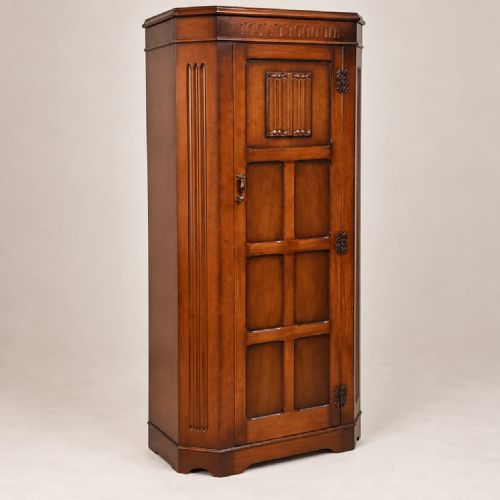
A panelled oak door appears across wardrobes, cupboards, bookcases, and architectural salvage in the records, spanning the seventeenth century down to the 1920s.
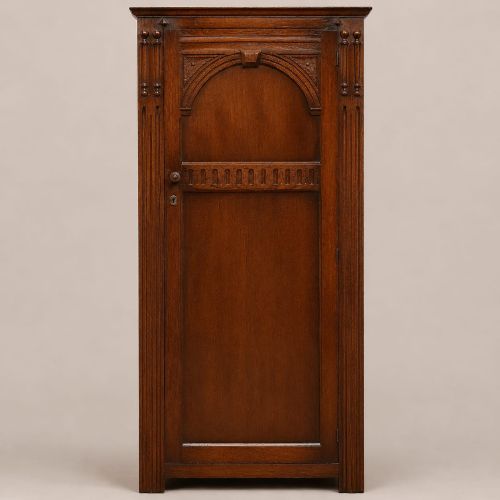
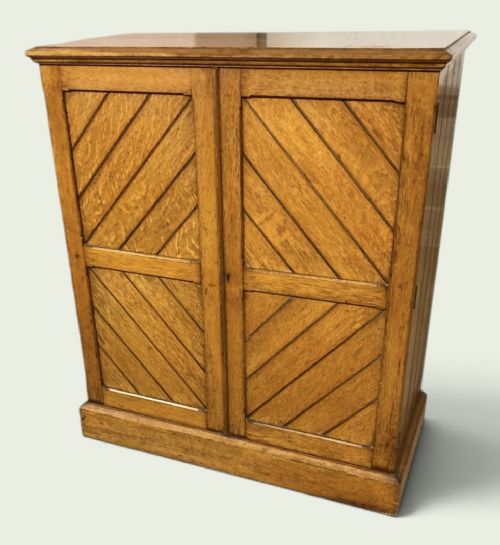
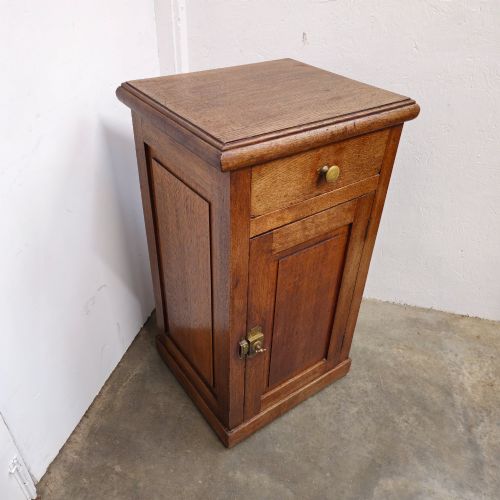
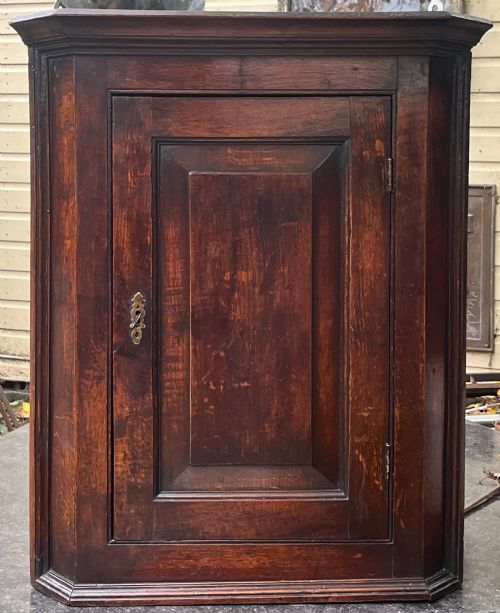
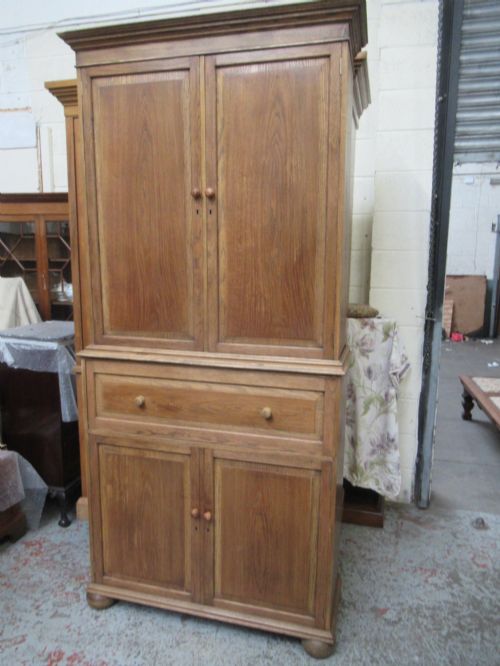
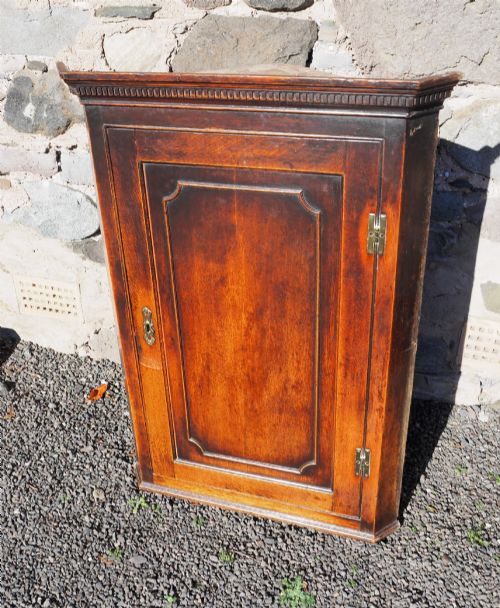
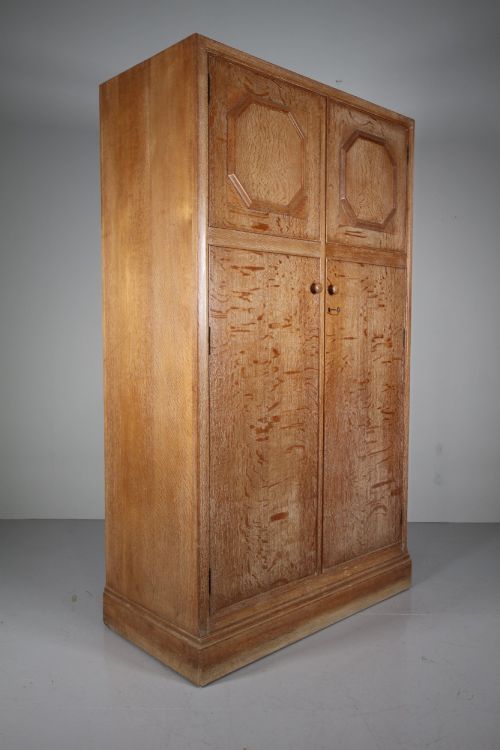
The buyer meets these doors built into large French armoires, Georgian corner cabinets, Edwardian wardrobes, and standalone sets of architectural panels.
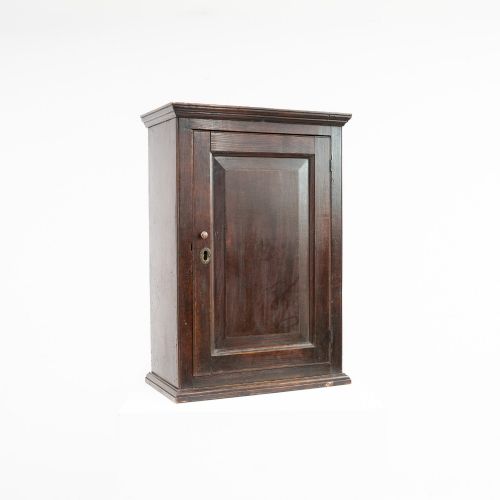
Many examples emerge in golden oak, dark oak, and light oak, with styles ranging from plain Georgian proportions to Jacobean Revival and Gothic Revival detailing.
How they were made
Carpenters constructed these doors using solid oak planks assembled with pegged mortise and tenon joints to allow the timber to move safely with humidity.
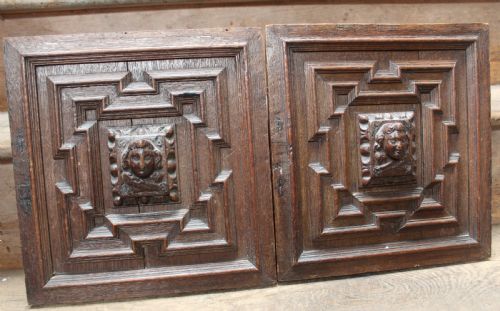
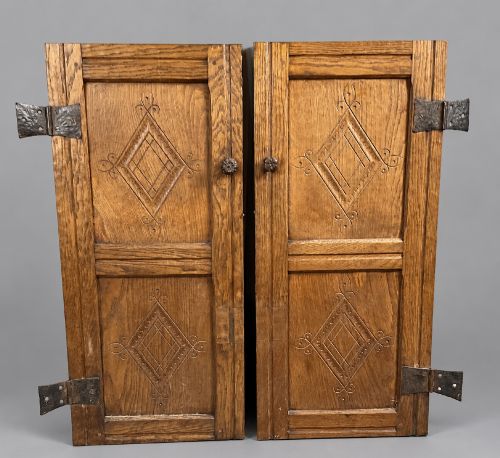
Panels were typically set into grooved frames, sometimes featuring raised fields, geometric mouldings, or hand-carved motifs like the Yorkshire rose.
Hardware such as iron and brass hinges, latches, and locks were fitted directly to the timber frame, while some surfaces received scumble faux paintwork.
Panelled Oak Door Retail Price Guide 2026
Typical asking prices for panelled oak door among the pieces listed under this phrase on Sellingantiques today, from the lower quarter to the upper quarter. They describe what is for sale here now, not the wider market.
What varies in quality
Quality rests in the selection of the timber, where dense, straight-grained oak with quarter-sawn medullary rays commands greater regard than plain flat-sawn boards.
The crispness of the joinery and the depth of the hand-carving separate standard utility furniture from more ambitious architectural joinery and cabinet work.
Original hardware, untouched surface patination, and the retention of period hinges or locks elevate pieces far above those with later replacements.
Edward Pearce
The Panelled Oak Door Glossary
- Panelled
- Construction method where a central floating board sits within a surrounding frame to prevent splitting. This technique defines the face of many period doors and cupboards.
- Golden oak
- A warm, lighter honey-toned timber finish often encountered on pieces from the Edwardian era and the 1920s. It reflects a shift away from dark Victorian polishes.
- Scumble
- A decorative paint technique used to imitate the grain and figure of natural oak. The method appears on nineteenth-century pieces where alternative softwoods were painted for uniformity.
- Geometric panel
- A decorative arrangement of applied mouldings on a door front, creating repeating shapes. This detail is frequently associated with seventeenth and eighteenth-century cabinet work.
- Compactum
- A multi-compartment wardrobe designed to house various items of clothing efficiently. These tall pieces often feature panelled doors flanking central drawers or hanging space.
Panelled Oak Door: Frequently Asked Questions
How do I clean a panelled oak door?
Dust the timber regularly with a soft, dry cloth to prevent grit from settling in the grain and carved recesses.
Feed the dry oak occasionally with a traditional beeswax polish, buffing it gently to maintain a soft protective sheen without building up heavy layers of residue.
Can I hang an antique door today?
Many architectural panelled doors can be rehung in modern interiors, provided the weight and dimensional tolerances are checked by a competent carpenter.
Older timber may require careful adjustment at the edges to accommodate modern frames and uneven walls without putting strain on the original pegged joints.
What is golden oak?
Golden oak is a lighter, warmer finish applied to furniture produced around the Edwardian period and into the 1920s.
This finish was achieved using transparent varnishes and stains that highlighted the natural grain and lighter tones of the timber rather than masking them with dark polish.
How do I date a panelled door?
Dating relies on observing the construction methods, such as hand-cut pegged joints, timber thickness, and the profile of any moulded panels.
Stylistic clues like geometric mouldings, linenfold carving, or brass hardware styles further help align the piece with periods from the seventeenth century to the twentieth.