




Pale Oak Side Table
A pale oak side table brings a bright, weathered warmth to a room without crowding the space.
Pale Oak Side Table
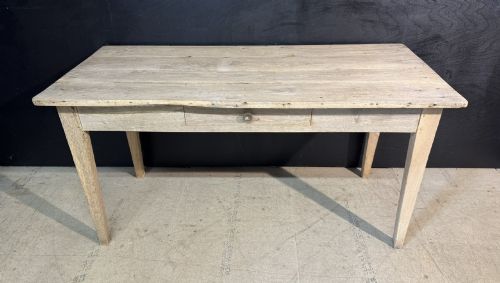
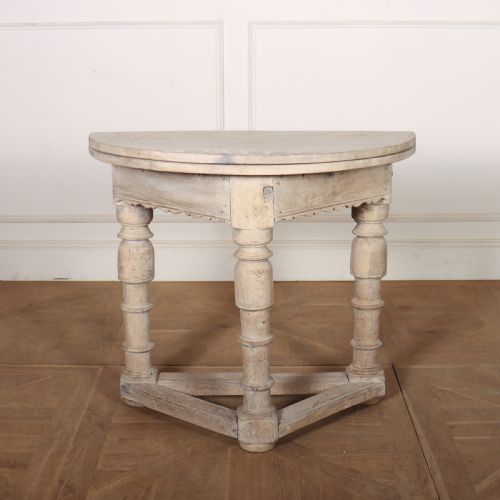
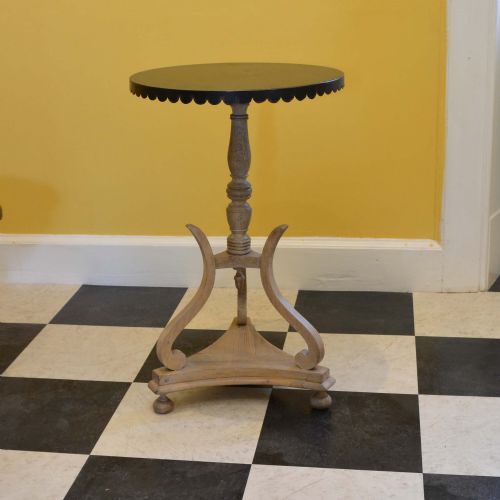
A pale oak side table encompasses a variety of compact wooden furniture designed for utility and display across several historic periods. When you search for a pale oak side table, you encounter pieces rendered in bleached, limed, or naturally light timber.
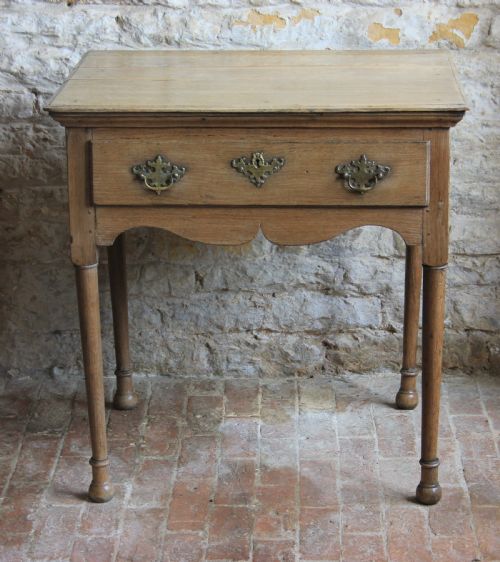
The selections span centuries of craftsmanship, ranging from eighteenth-century lowboys to later nineteenth-century examples and nineteen-twenties productions. Regional styles emerge from these categories, including French provincial, rustic farmhouse, and English country traditions.
You are most likely to meet nineteenth-century French bleached oak pieces and English variants on this page. These tables frequently appear alongside related forms such as console tables, lowboys, and occasional tables.
How they were made
Construction relies primarily on solid oak, frequently paired with secondary timbers like pine, beech, or metal fixings for structural support. Carpenters utilised traditional joinery to build sturdy tables intended for daily domestic service.
Surface treatments define the character of these items, with historical bleaching and liming techniques altering the natural tone of the wood. Brass fittings and ebonised details occasionally accent the primary oak structure.
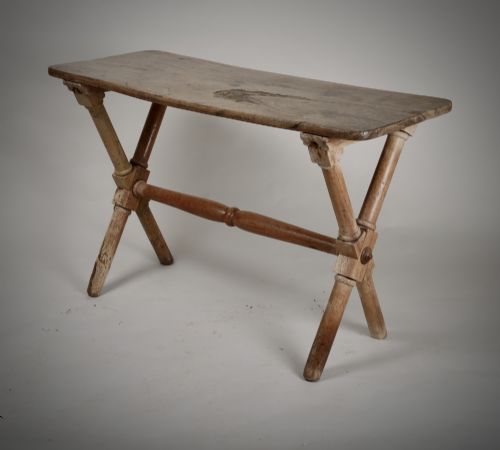
Several tables rely on three legs rather than four, proving that cricket players needed stable furniture on bumpy eighteenth-century turf.
What varies in quality
The standard of a piece rests upon the crispness of the timber's grain and the integrity of its historic construction. Superior examples display thoughtful proportions and harmonious wood selection across the top and legs.
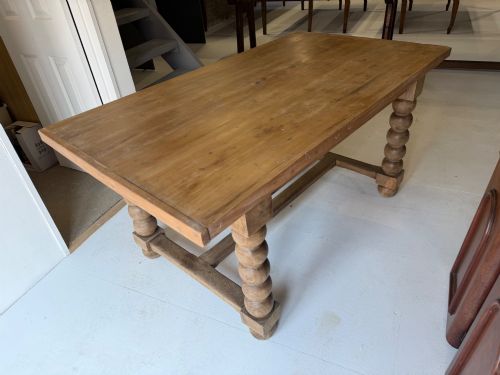
Intervention levels also dictate desirability, as period surfaces retaining honest patination outrank overly stripped or heavily restored timber. The finesse of turned supports, such as bobbin legs, further distinguishes finer variants.
Heals
The Pale Oak Side Table Glossary
- Lowboy
- A small eighteenth-century dressing table or side table featuring one or more drawers beneath the working surface. These are typically raised on slender legs.
- Cricket table
- A small, lightweight circular table supported by three splayed legs, historically used in vernacular English settings. The design ensures stability on uneven floors.
- Drapers table
- A long, utilitarian table originally utilised in cloth merchandising, characterised by a generous surface and sturdy underframing. They now function well as serving or side surfaces.
- Limed oak
- Timber treated with a specialised finish that fills the open grain with a whitish paste to create a pale decorative effect. This treatment gained popularity in the early twentieth century.
- Bleached oak
- Wood that has been chemically lightened from its natural dark state to achieve a softer, neutral tone. This process highlights the underlying grain patterns.
Pale Oak Side Table: Frequently Asked Questions
Where do I put a pale oak side table?
These compact tables fit naturally beside seating areas in a sitting room or as a surface in a hallway. Their neutral timber tones allow them to complement both traditional and modern interiors.
Because they occupy minimal floor space, they work well in bedrooms as bedside surfaces or in dining rooms to hold lamps and decorative objects.
How do I clean pale oak furniture?
Dust the surface regularly with a soft, dry cloth to prevent the accumulation of dirt within the grain. Avoid harsh chemical cleaners that can strip the pale finish or dry out the timber.
Occasional application of a suitable wax preserves the moisture balance of the wood without darkening the light colour achieved by bleaching or liming.
Are these tables solid oak?
Most pieces combine solid oak for the primary visible surfaces with secondary timbers like pine or beech used discreetly for drawer linings and internal framing. This construction method was standard practice for period cabinet makers to ensure structural stability.
Inspecting the underside and interior components reveals the mix of materials employed during construction.
How can I tell the age of a side table?
Dating relies on examining the construction methods, tool marks left by woodworking implements, and the style of the legs and joinery. Eighteenth-century pieces often feature hand-cut dovetails in the drawers and pegged joints.
Later nineteenth-century and nineteen-twenties examples incorporate machine-sawn elements and different surface preparations while maintaining traditional forms.