


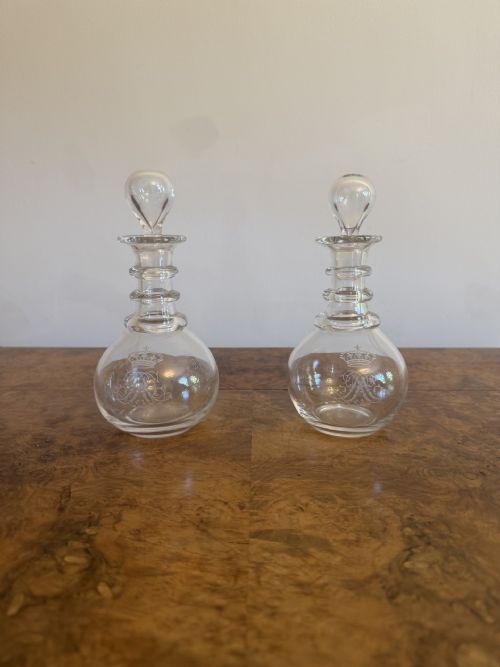


Paired Glass Bottles
Paired glass bottles bring symmetry to a room, appearing in forms from decanters and scent flasks to apothecary jars.
Paired Glass Bottles
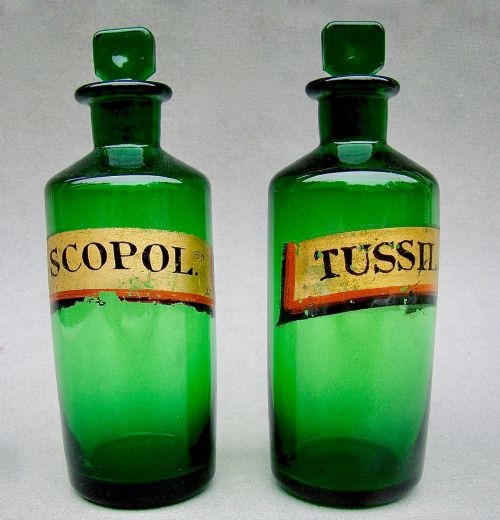
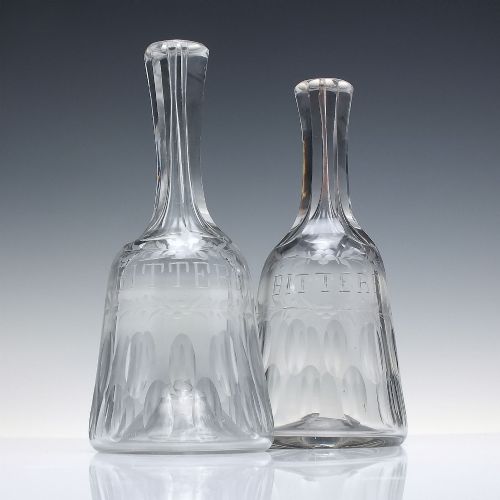
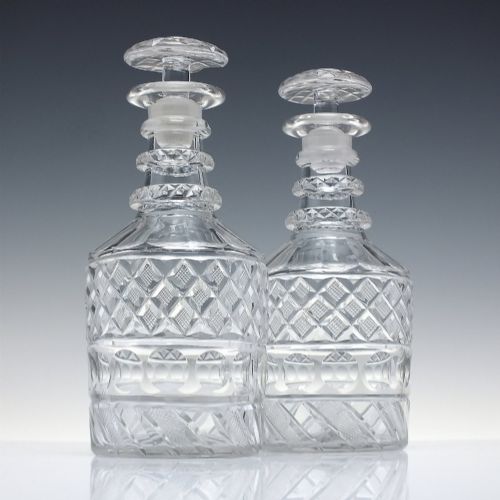
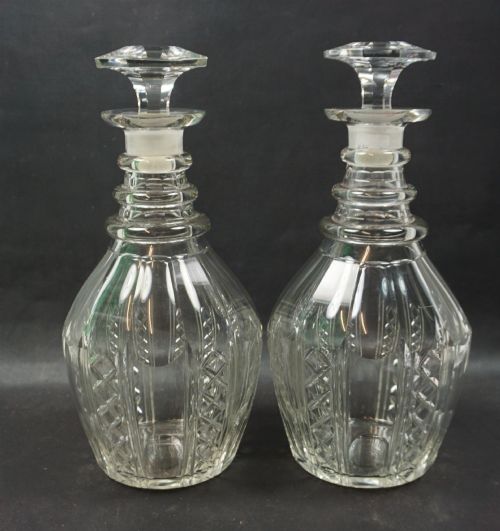
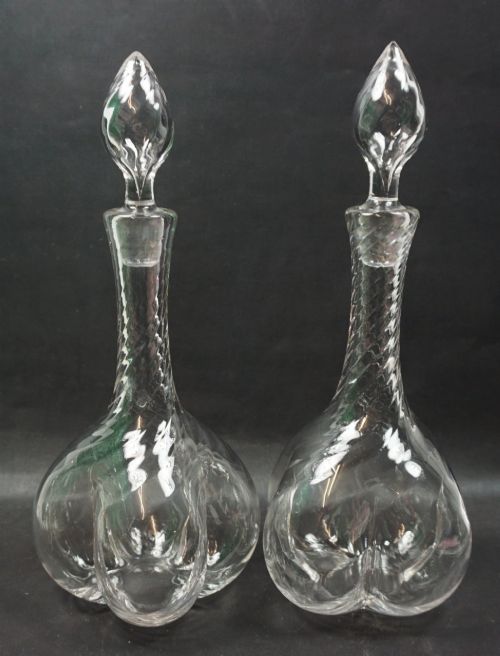
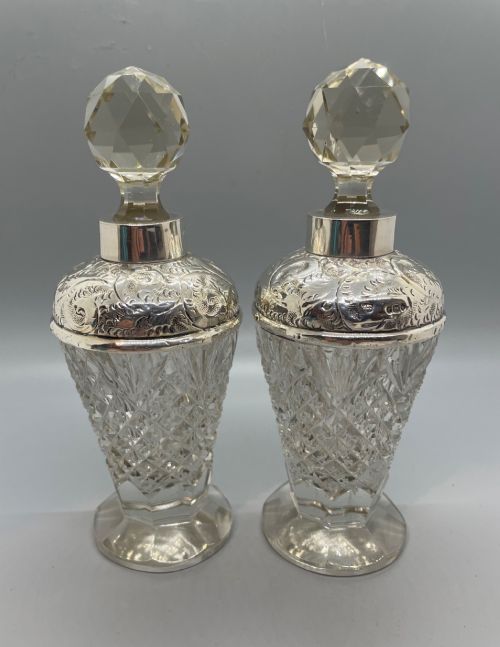
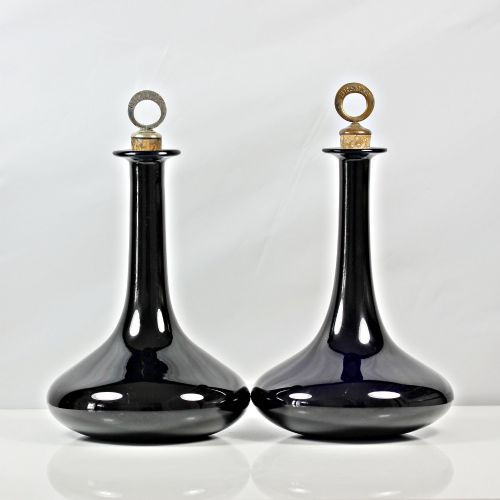
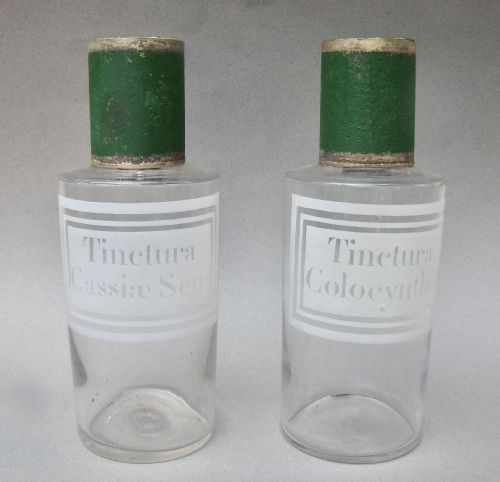
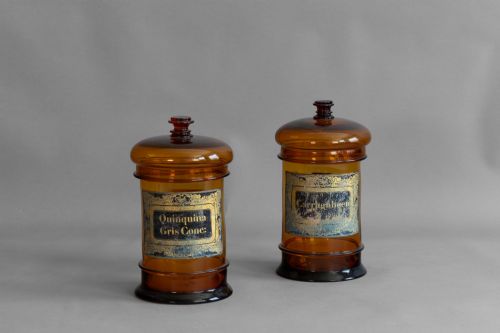
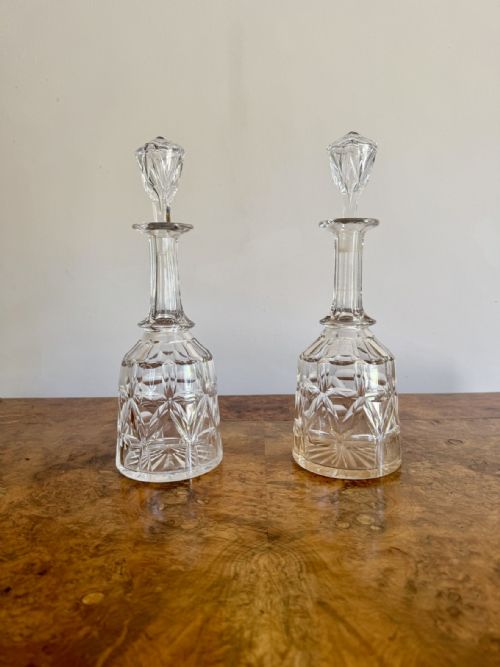
Paired glass bottles encompass items designed to work in tandem, most frequently encountered here as decanters, scent bottles, and apothecary jars. These pairings originate across the nineteenth and early twentieth centuries, spanning the Georgian, Victorian, and Edwardian periods.
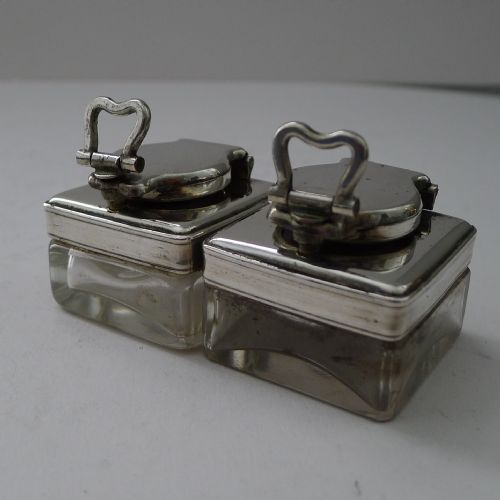
The selection includes practical vessels intended for table service alongside smaller vanity items like perfume bottles and travel inkwells. English and French workshops dominate the available examples, reflecting varied domestic and commercial uses.
Materials and Technique
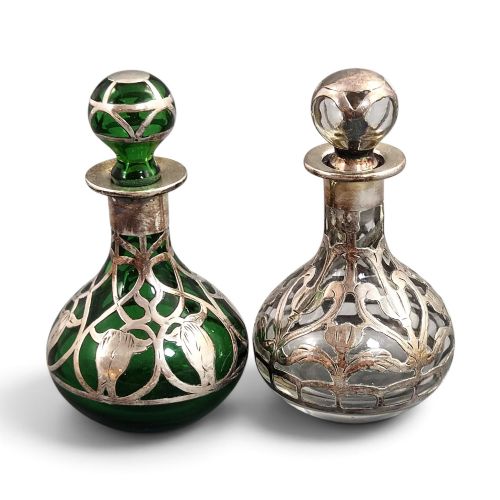
Makers utilised clear glass, lead crystal, and coloured varieties such as Bristol blue, ruby, amber, and amethyst, often shaping vessels through optical blowing or heavy cutting. Many examples incorporate sterling silver, silver plate, or gold leaf mounts, collars, and overlay decorations.
Paired Glass Bottles Retail Price Guide 2026
Typical asking prices for paired glass bottles among the pieces listed under this phrase on Sellingantiques today, from the lower quarter to the upper quarter. They describe what is for sale here now, not the wider market.
Some nineteenth-century inkwells were built sturdy enough for travel, surviving carriage rides without spilling a drop.
Distinctions in Execution
Quality rests in the precision of the glass cutting, the clarity of the material, and the weight of the vessel in the hand. Superior examples display crisp facets and well-balanced proportions that maintain symmetry across both items.
The integration of metal mounts, such as silver collars or hinged lids, distinguishes standard production from finer pieces. Maker involvement and the survival of matching stoppers or caps heavily influence the standing of a pair.
Walsh & Walsh·James Powell·Gorham·Karl Palda·George Unite
The Paired Glass Bottles Glossary
- Decanter
- A vessel designed to hold and serve wine or spirits, typically fitted with a ground glass stopper. These items often feature heavy cut glass or engraved labelling.
- Lead crystal
- A type of glass containing lead oxide that increases weight, brilliance, and clarity. This material allows for deeper and sharper facet cutting.
- Overlay
- A technique where a layer of metal or coloured glass is applied over a base of contrasting glass. Silver overlay creates intricate metallic patterns across the body of a bottle.
- Apothecary jar
- A container originally utilised by chemists to store ingredients, medications, or tinctures. These pieces frequently appear in pairs and may feature etched or painted labels.
- Optically blown
- A method where molten glass is inflated into a ribbed or patterned mould to impart a rippled texture. This technique creates internal light reflections within the walls of the vessel.
Paired Glass Bottles: Frequently Asked Questions
What were paired glass bottles used for?
These vessels served diverse functions depending on their scale, ranging from dining table service for wine and spirits to dressing table storage for perfumes and tinctures. Larger forms held liquids, while smaller flasks contained scents or ink for writing.
Many survived in pairs because they were manufactured and purchased as matching sets for specific domestic rooms, such as the sideboard or the vanity.
How do I distinguish Georgian bottles from Victorian ones?
Georgian examples often display simpler, heavier proportions with deep hand-cut fluting or mallet shapes. Victorian pieces frequently introduce more varied colours, intricate engraved decoration, and machine-pressed elements.
Examining the pontil mark on the base and the style of the stopper helps clarify the period of manufacture.
Are original stoppers important?
Original matching stoppers contribute significantly to the completeness and integrity of a pair. Because stoppers were easily misplaced or broken over decades of use, finding a pair retaining their correct original closures is notable.
Substitutes can often be identified by slight differences in colour, wear patterns, or fit within the neck.
How should I display glass bottles at home?
Glass bottles respond well to placement near natural light sources that illuminate their colour and cut facets. They sit securely on mantelpieces, sideboards, or within glass-fronted cabinets.
Keeping them out of direct, intense sunlight prevents potential fading in coloured glass varieties.