

Paired Ceiling Lights
Paired ceiling lights deliver balanced illumination and symmetry, bringing architectural presence to high spaces.
Paired Ceiling Lights
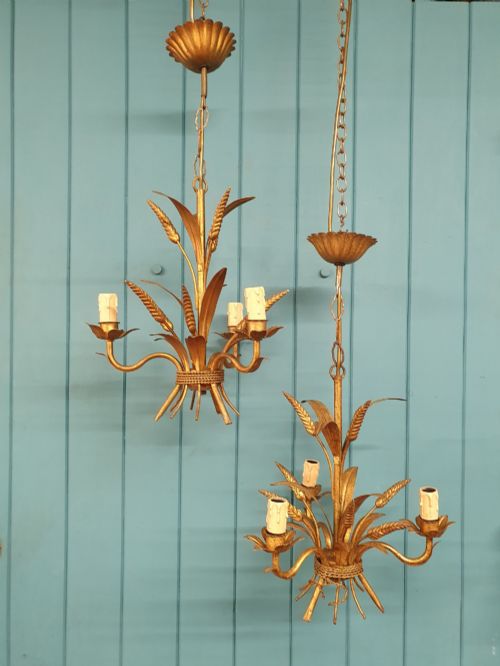
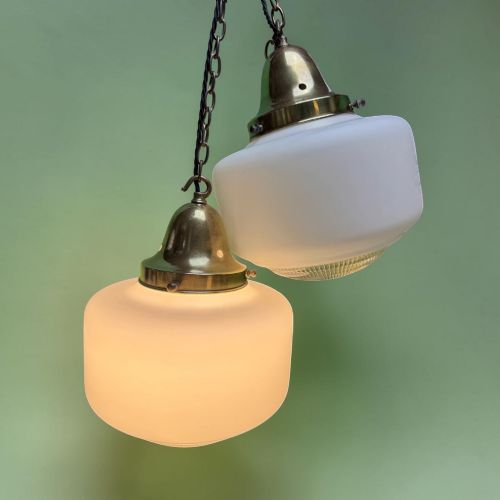
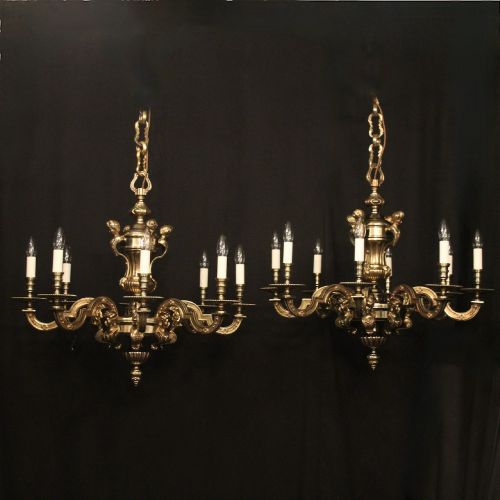
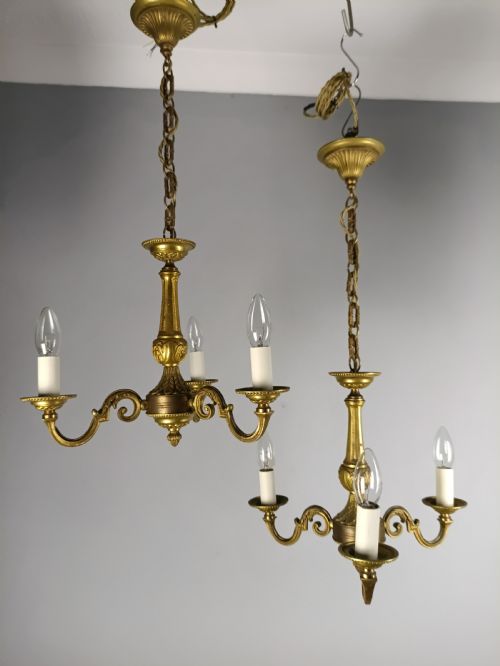
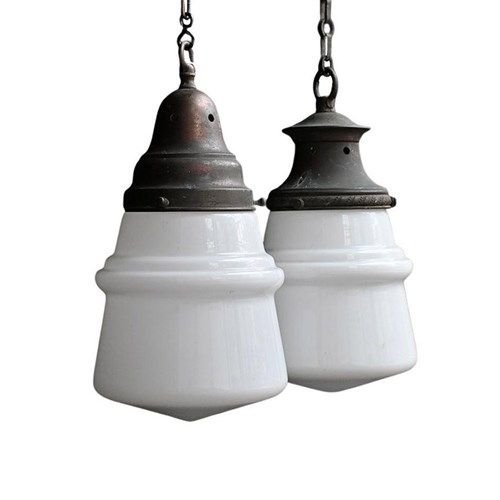
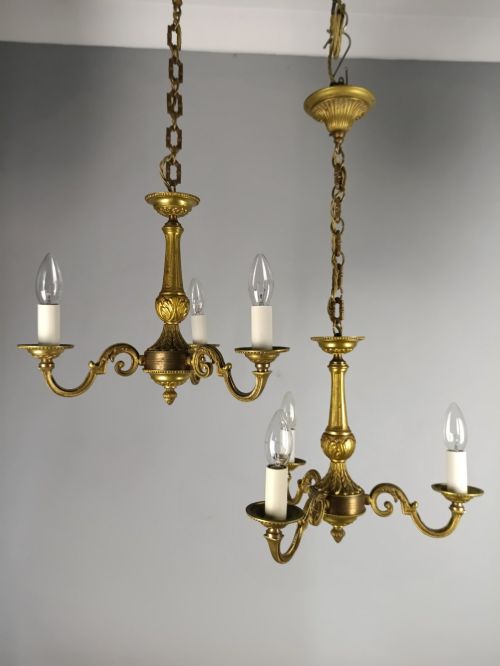
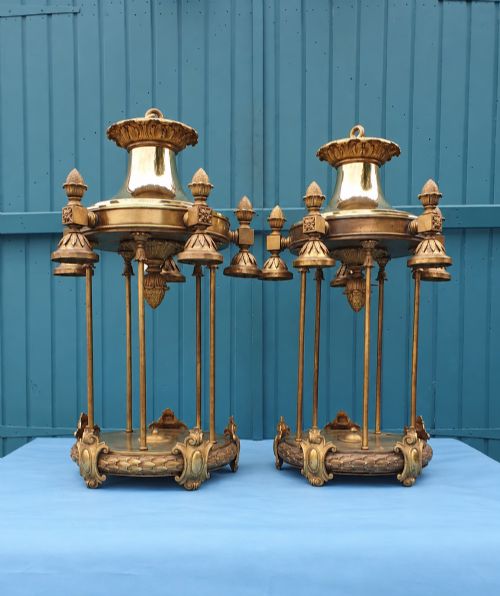
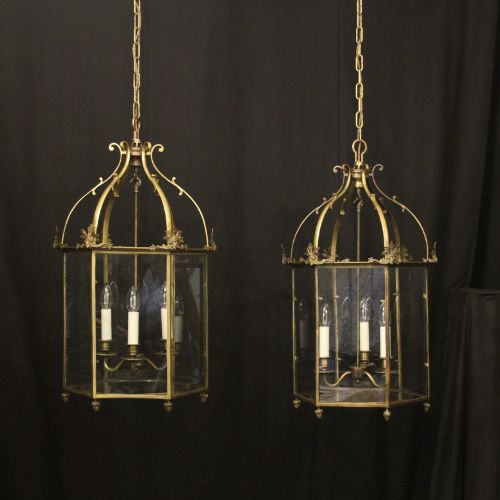
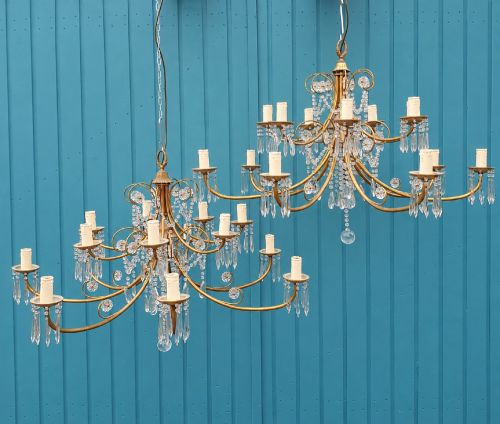
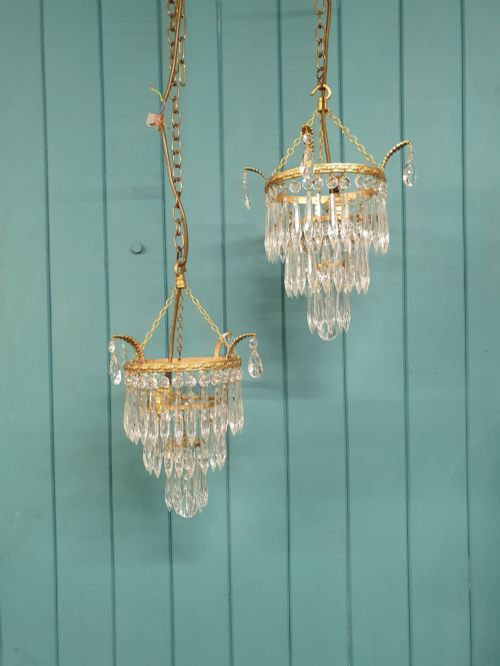
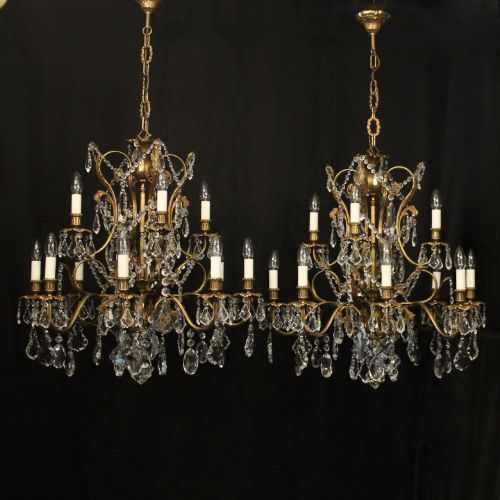
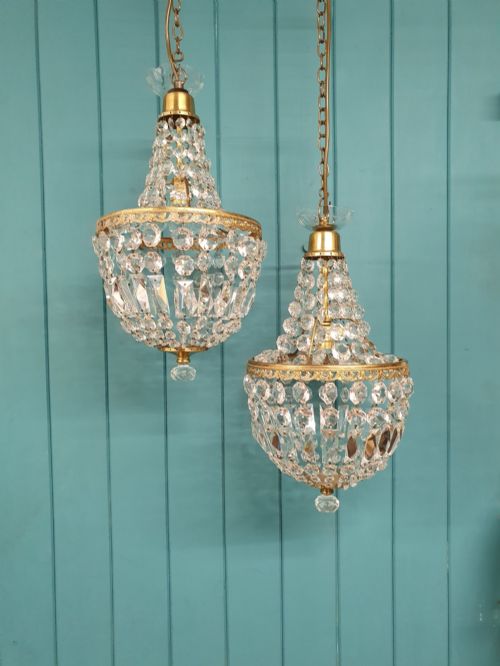
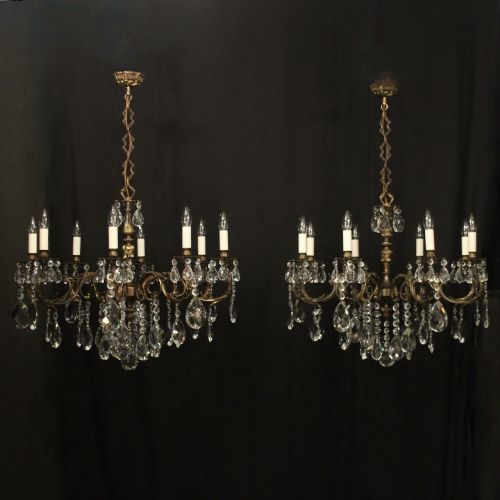
Paired ceiling lights comprise matching fixtures designed to hang symmetrically from overhead structures, bringing balance to large rooms and long hallways. When searching for paired ceiling lights, buyers encounter formations ranging from elaborate multi-arm chandeliers to structured hanging lanterns.
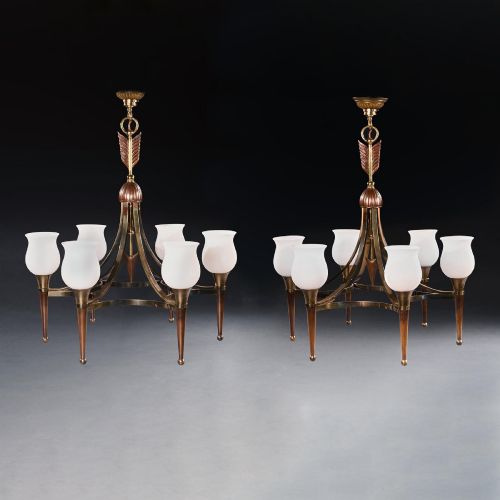
The selections recorded here span from the nineteenth century through the mid-twentieth century, capturing Edwardian designs alongside Art Deco and French styles. Forms include chandeliers, pendant lights, hall lanterns, and ceiling lights constructed in matched pairs.
Many examples originate from French workshops, incorporating styles such as French Rococo, Empire, Neoclassical, and Chateau aesthetics alongside English and Italian pieces. Buyers find fixtures equipped with multiple light arms, glass shades, or hanging crystals.
Materials and Construction
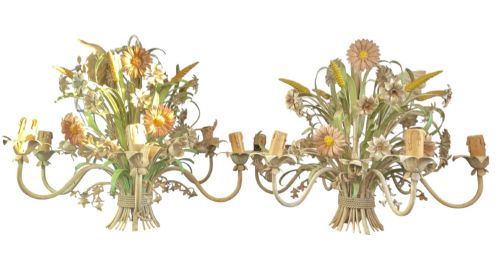
Metalwork forms the structural backbone of these fixtures, utilising brass, bronze, gilded bronze, silver gilded bronze, and painted tollware. Smiths cast, chased, and mounted these metals into frames, arms, and decorative lanterns.
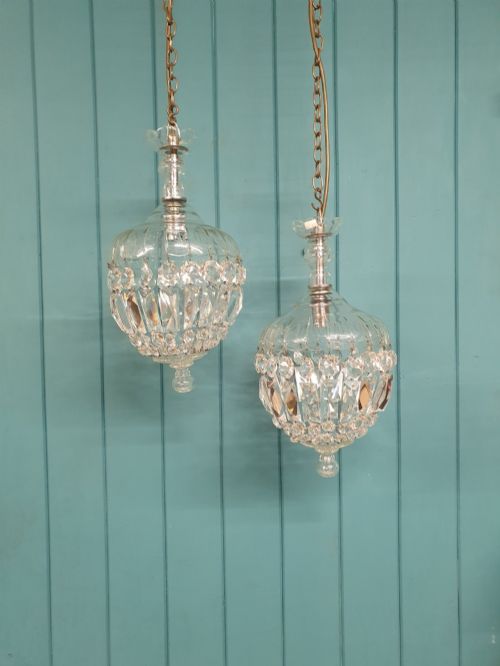
Glass and crystal components provide refraction and diffusion, appearing as cut glass, cut crystal, opaline glass, mercury mirrored glass, and frilly glass pendants. Artisans cut and faceted the crystal drops, pinning them to the metal armatures with wire.
Construction methods also involve multi-tiered frameworks, such as spike chandeliers, tent chandeliers, and hexagonal lantern casings. Wiring and light fittings integrate into the historic metal and glass bodies to suspend from ceilings.
Paired Ceiling Lights Retail Price Guide 2026
Typical asking prices for paired ceiling lights among the pieces listed under this phrase on Sellingantiques today, from the lower quarter to the upper quarter. They describe what is for sale here now, not the wider market.
Listings feature brass, bronze, and glass materials across Edwardian, Art Deco, and nineteenth-century periods.
Distinctions in Manufacture
Quality rests in the precision of the metal casting and the depth of the hand-chasing on bronze and brass surfaces. Finer pieces display crisp botanical or classical motifs rather than soft, indistinct cast details.
The clarity and cutting of crystal and glass elements differentiate standard production from superior examples. Hand-cut crystal facets refract light with sharp brilliance, while high-grade opaline and mercury mirrored glass show uniform thickness and silvering.
Structural complexity and scale dictate distinction, separating simple utilitarian pendants from monumental twelve or fourteen-arm chandeliers and multi-tiered tent constructions. The integrity of matched pairing relies on identical proportions and matching patination across both fixtures.
Maison Jansen·Schneider·Vestaray
The Paired Ceiling Lights Glossary
- Tent chandelier
- A lighting fixture featuring an upper canopy from which strings of crystal beads drape outward to form a tent-like shape above the central arms. This design originates from eighteenth-century fashions but persists in later Edwardian and twentieth-century interpretations.
- Opaline glass
- A milky, semi-translucent glass developed during the nineteenth century, often tinted in soft shades. It diffuses light gently without harsh glare.
- Tollware
- Painted metalware, typically tin or sheet iron, decorated with applied pigments and varnishes. It offers colour and pattern in European decorative lighting.
- Mercury mirrored glass
- Glass blown with a double wall, into which a silvering mercury amalgam was introduced through a pontil hole and sealed. This creates a reflective, silvery sheen popular in pendant lighting.
- Spike chandelier
- A central vertical spindle fitted with radiating candle arms or glass plates. The arrangement resembles a radiating star or crown.
Paired Ceiling Lights: Frequently Asked Questions
How do I clean antique chandeliers?
Dust the metal and glass components regularly with a soft, dry cloth. For deeper cleaning, apply a mild soapy solution to glass drops while they remain on the frame, wiping each piece individually.
Avoid harsh chemical cleaners that strip the historic patination from brass, bronze, or gilded surfaces. Ensure the electricity is completely switched off before undertaking any maintenance.
Are these lights wired for modern ceilings?
Most antique fixtures have received updated electrical wiring to comply with modern safety standards while retaining their historic aesthetic. Electricians can integrate them into standard ceiling junction boxes.
Professional installation is recommended due to the substantial weight of large brass frames and cut crystal components. Ceiling reinforcement may be required for monumental lanterns and multi-arm chandeliers.
How do I identify the period of a light?
Dating relies on stylistic markers, such as the geometric lines of Art Deco pieces versus the ornate curves of French Rococo or Louis Revival fixtures. Material choices, such as opaline glass or mercury mirrored glass, also point to specific manufacturing eras like the early twentieth century.
Examining construction techniques, screw threads, and metal patination helps confirm whether a piece belongs to the Edwardian period, the 1920s, or later mid-century decades.