
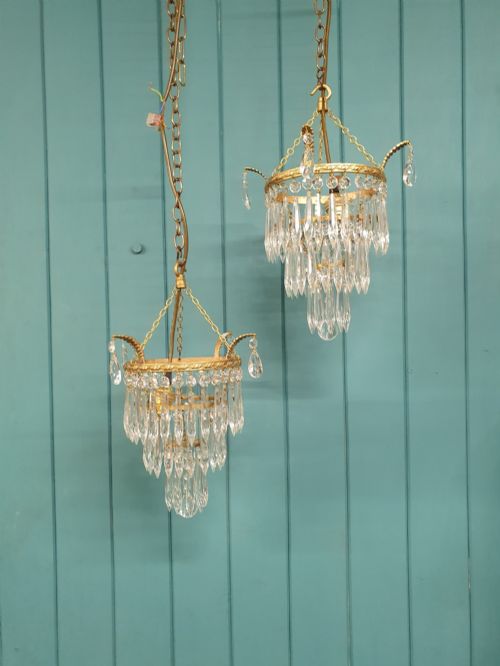
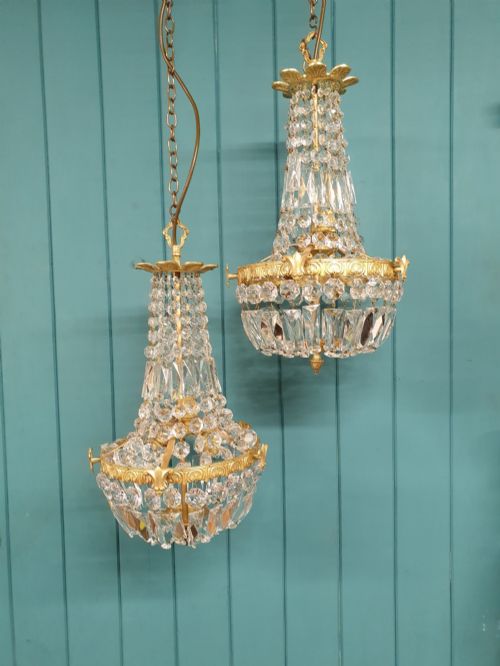
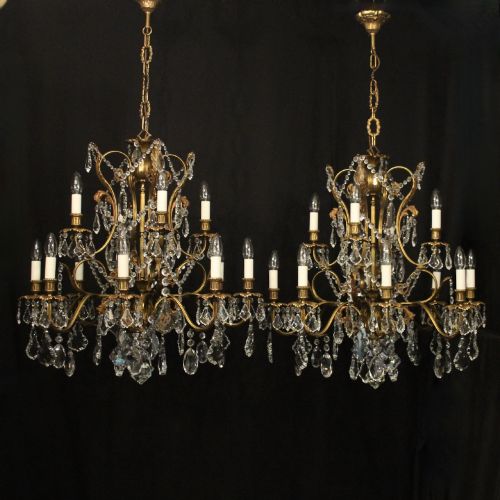
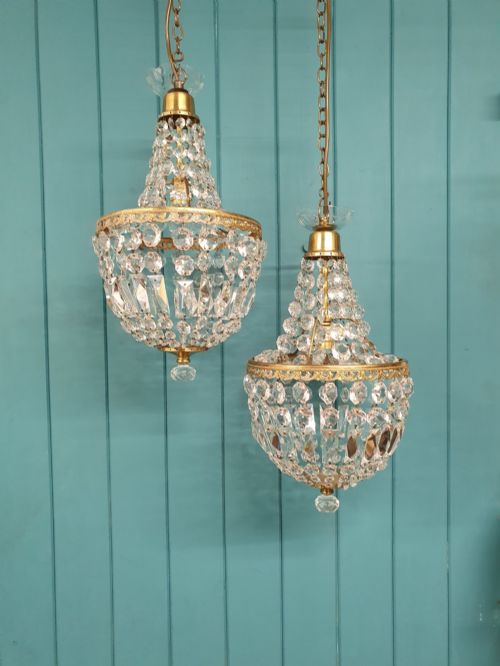
Pair Pendant Ceiling Lights
These pair pendant ceiling lights span brass, bronze, and crystal forms from the Edwardian era through the mid-century period.
Pair Pendant Ceiling Lights
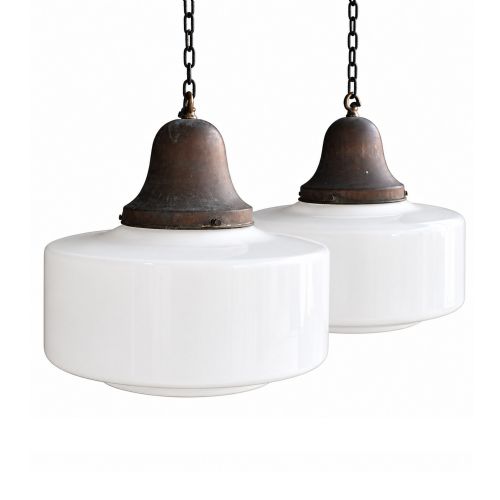
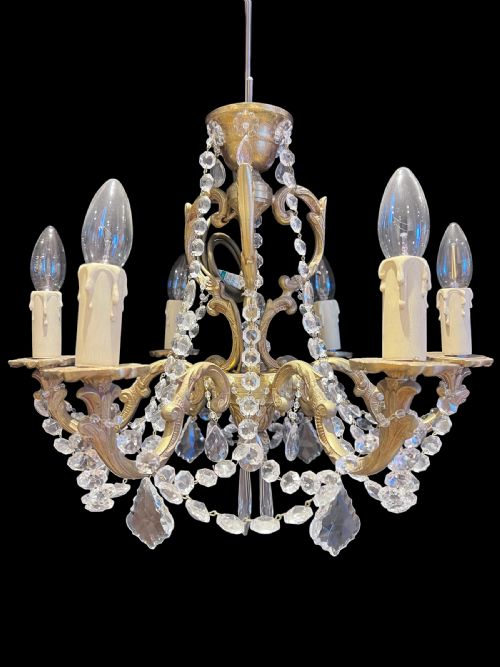
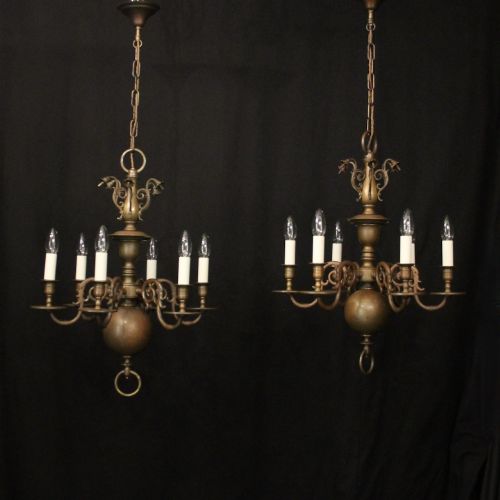
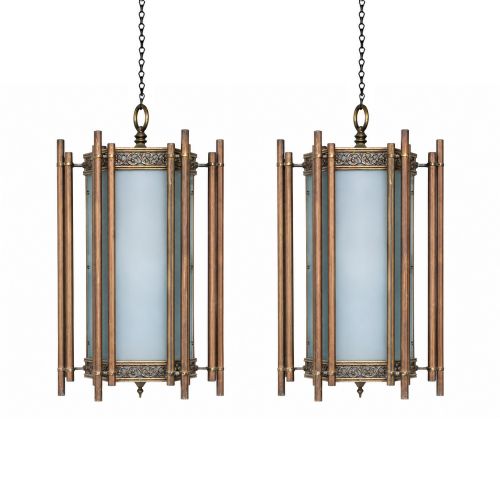
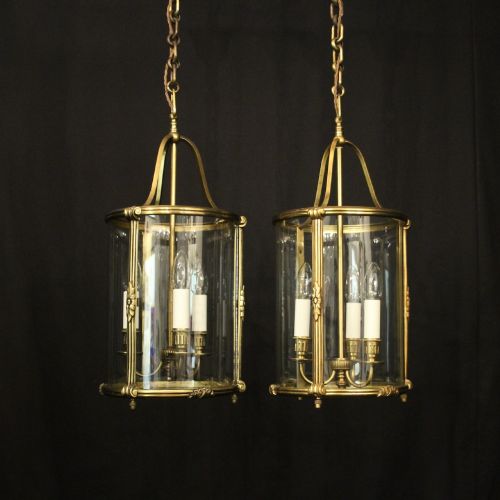
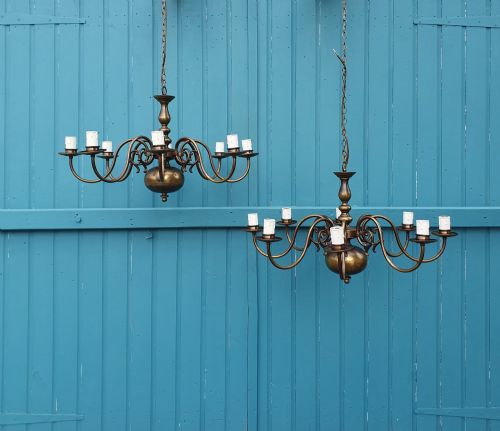
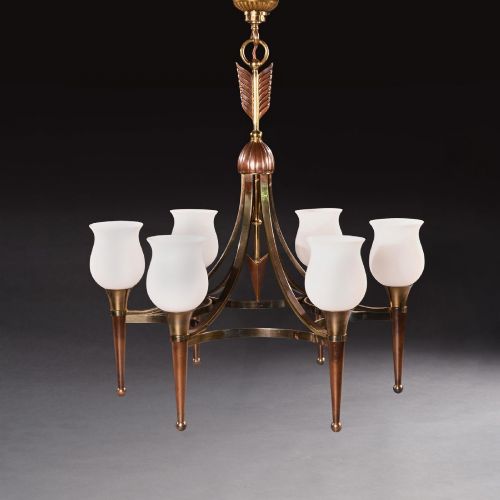
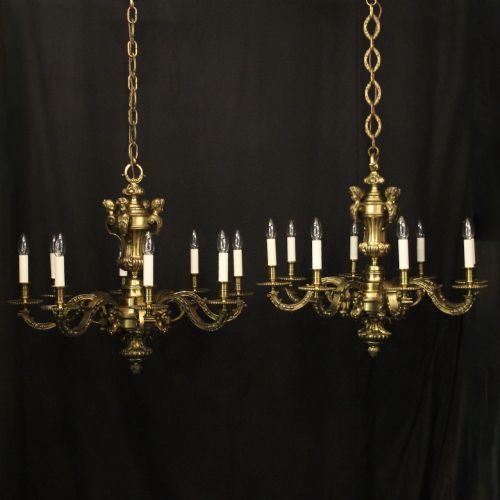
Pair pendant ceiling lights encompass hanging illumination fixtures, predominantly found as matched sets of multi-arm chandeliers, hall lanterns, and single shades suspended from ceilings. The listings feature French chateau, Art Deco, and Edwardian styles, alongside Dutch Flemish brass models and American hanging lanterns.
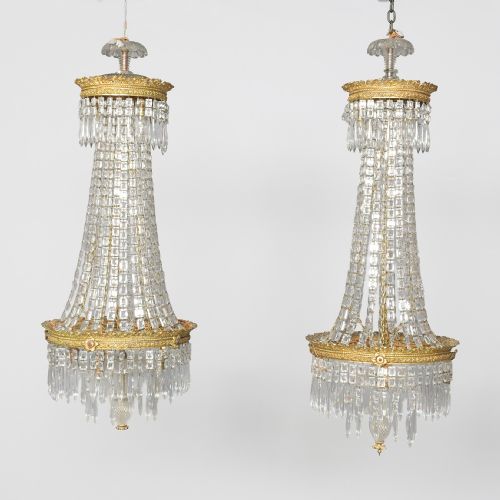
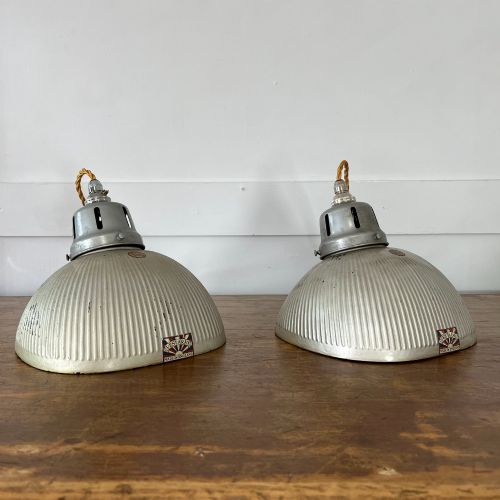
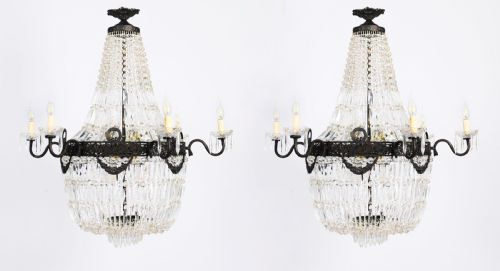
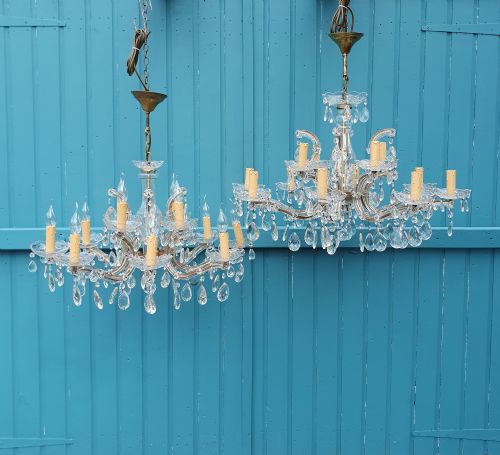
Buyers meet variations ranging from large ballrooms and crystal tent chandeliers holding fourteen lights down to smaller spike chandeliers, opaline glass pendants, and Holophane industrial shades. Materials combine cast metals with reflective glass elements designed to distribute light across high and standard domestic rooms alike.
How they were made
Manufacturers utilised cast brass, bronze, and gilded bronze for the structural frames, galleries, and arms of these fixtures, often combining steel and gilt brass in specific French workshop pieces. Metalwork incorporates decorative finishing such as silver gilding and patinated surfaces.
The light-bearing elements rely on glass, crystal, cut crystal, opaline glass, mercury mirrored glass, and milk glass. Components feature prism shades, etched lampshades, and fitted crystal drops secured to the metal frames.
Some Edwardian spike chandeliers measure a mere six inches across, proving that grand illumination sometimes arrives in remarkably tiny packages.
What varies in quality
Quality differentiates by the depth of detail in the metal casting and the clarity of the glass or crystal components. Finer examples display crisp chasing on gilded bronze frames and heavy hand-cut crystal drops rather than pressed glass alternatives.
Proportion and matching cohesion define the upper tier of these matched sets. Pairs that retain their original signed components, matching shades, and unified patination command stronger interest than assembled or altered pairs.
MAISON JANSEN·ANDRE ARBUS·F&C Osler·S.FAUER·VESTARAY·Schneider
The Pair Pendant Ceiling Lights Glossary
- Holophane
- A brand of scientific glass shade designed with prismatic ribs to direct and diffuse light efficiently. These industrial glass shades appear frequently on early twentieth century pendants.
- Gilded Bronze
- Bronze metal coated with a thin layer of gold or gold leaf, also known asormolu. This material appears on French neoclassical and Louis revival lanterns and chandeliers.
- Opaline Glass
- A type of semi-opaque glass with a milky appearance, popular for soft light diffusion in early pendant lights. It ranges from white to pastel tints.
- Tent Chandelier
- A chandelier style featuring a cascading canopy of crystal beads hung from a central ring up to an upper crown, creating a tent-like profile.
- Spike Chandelier
- A compact chandelier design characterised by a central vertical spike or finial from which small arms radiate.
Pair Pendant Ceiling Lights: Frequently Asked Questions
Were these lights originally wired for electricity?
Many fixtures originating from the nineteenth and early twentieth centuries were originally configured for gas or oil before later conversion to electricity.
Modern buyers generally find these lights rewired for contemporary UK electrical standards while retaining their antique metal and glass bodies.
How do I clean antique crystal drops?
Crystal drops benefit from gentle hand cleaning using a dilute solution of warm water and mild washing-up liquid with a soft cloth.
Individual prisms should be unclipped if necessary, washed separately, and dried thoroughly before being reattached to the brass or bronze arms.
What rooms suit a hall lantern?
Hall lanterns were traditionally designed for narrow entrance spaces, corridors, and stairwells where vertical clearance is limited.
Their enclosed glass panels protect the interior light source from drafts while casting directional illumination downwards and across surrounding walls.