





Pair of Wall Shelves
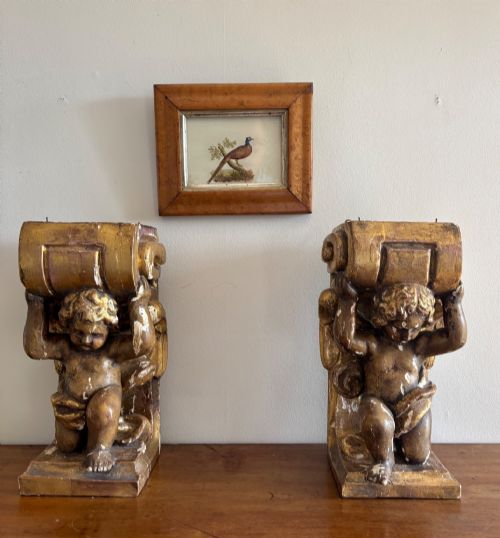
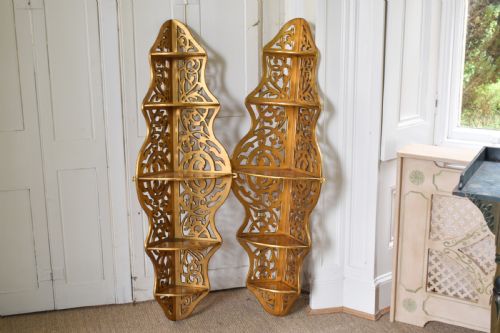
A pair of wall shelves brings architectural symmetry to a room, offering a display surface that draws the eye upward.
Pair of Wall Shelves
A pair of wall shelves encompasses timber display tiers, architectural brackets, and mirrored consoles designed to mount directly to vertical surfaces. These items originate from periods spanning the late 18th century through to the 1930s, reflecting changing domestic tastes in display and storage.
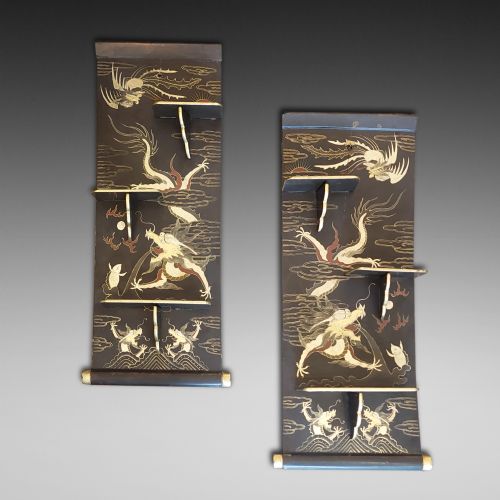
The most frequent examples encountered on this page are 19th-century mahogany hanging shelves and giltwood brackets. Walnut, pine, and painted finishes also appear regularly, alongside forms that incorporate mirrors or corner configurations.
Makers and regional workshops from England, Ireland, and continental Europe contributed significantly to this category. Their output ranges from simple fretwork timber designs to ornate revival pieces influenced by the Rococo, Baroque, and Chippendale styles.
Materials and construction methods
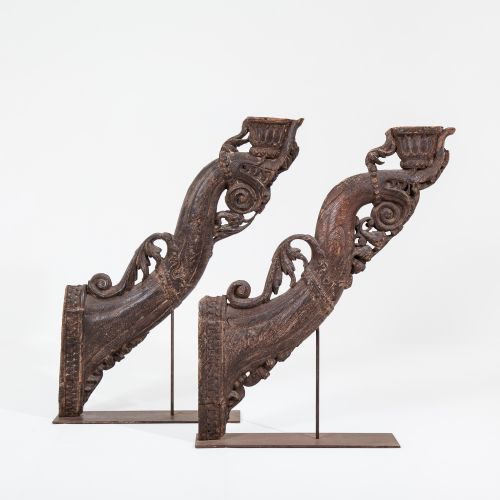
Carved timber forms the foundation of most pieces, with mahogany, walnut, pine, and limewood utilised extensively by cabinetmakers. Joinery techniques vary from straightforward wall-mounting supports to intricate fretwork and fret-sawn assemblies.
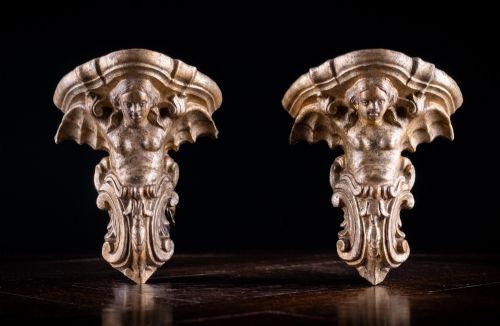
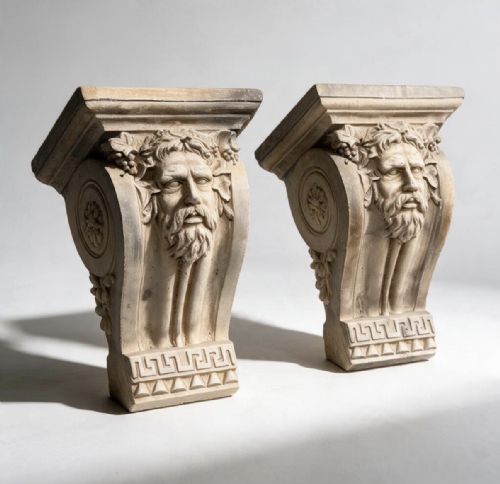
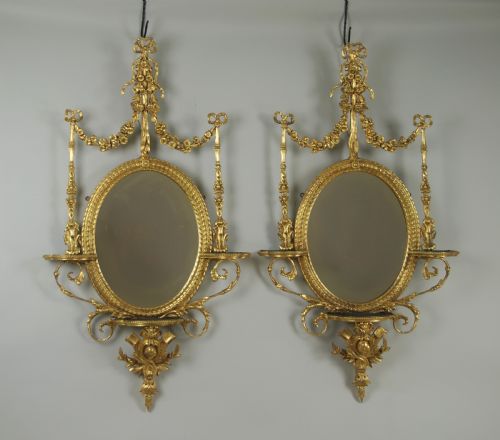
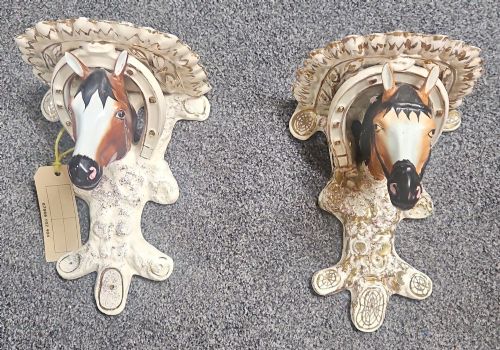
Gilding techniques, including the application of gold leaf over gesso and carved wood, define the decorative appearance of many Victorian and revival brackets. Cast iron, terracotta, and porcelain also emerge as primary structural or decorative materials in specific bracket designs.
Pair of Wall Shelves Retail Price Guide 2026
Typical asking prices for pair of wall shelves among the pieces listed under this phrase on Sellingantiques today, from the lower quarter to the upper quarter. They describe what is for sale here now, not the wider market.
Listings feature woods including mahogany, walnut, pine, limewood, and yew, alongside giltwood and cast iron forms.
Judging quality in wall supports
The refinement of the carving distinguishes superior examples from standard production, particularly in the crispness of foliage, cherubs, or architectural mouldings. Hand-carved details executed in dense hardwoods display a depth and precision absent in softer or moulded substitutes.
Original surface treatments, such as untouched giltwood, period lacquer, or patinated mahogany, preserve the integrity of the piece. Later overpainting or replacement mirror plates alter the visual balance and historical honesty of the object.
Cottier and Co·Strahan of Dublin·Town and Emanuel
The Pair of Wall Shelves Glossary
- Giltwood
- Wood that has been coated with gold leaf or gold paint. This technique was frequently applied to 19th-century brackets and mirrors to catch the light.
- Corbel
- A structural piece of stone, wood, or metal jutting from a wall to carry a weight. In decorative terms, it functions as a heavy bracket supporting a shelf.
- Girandole
- An ornamental bracket supporting candles or lights, often featuring an attached mirror. They frequently appear in gilt frames from the 19th century.
- Fretwork
- Ornamental design worked in wood with a fretsaw, creating an openwork pattern. It is commonly found on 18th and 19th-century mahogany hanging shelves.
- Demi-lune
- Half-moon shaped. This term describes console tables and wall shelves designed with a curved front and flat back to sit flush against a wall.
Pair of Wall Shelves: Frequently Asked Questions
What rooms suit a pair of wall shelves?
Pair of wall shelves work effectively in hallways, living rooms, and studies where floor space is limited. Their symmetrical nature allows them to frame doorways, fireplaces, or larger pieces of furniture effectively.
Smaller corner shelves and bracket pairs suit tighter spaces, providing a place for small ceramics or clocks. Larger mahogany or painted bookcase shelves offer functional display capacity in studies or dining rooms.
How are mahogany shelves dated?
Dating mahogany wall shelves involves examining the grain, construction joints, and edge profiles. Earlier 18th-century examples often display hand-sawn timber characteristics and traditional joinery, while Victorian pieces may show more standardised machine preparation.
Stylistic revivals, such as Chippendale or George II styles produced during the late 19th century, mimic earlier forms. Hardware, screw types, and secondary woods provide further clues to confirm whether a piece is period or a later revival.
Are mirrored backplates original?
Mirrored backplates on 19th-century wall shelves and brackets were frequently utilised to reflect light and enhance the objects displayed upon them. Original mirror plates often exhibit minor foxing, slight darkening, or uneven silvering consistent with age.
Replacements are sometimes necessary due to breakage over time. Examining the backing boards and the fixings holding the glass helps determine if the mirror plate has remained with the shelf since its manufacture.