


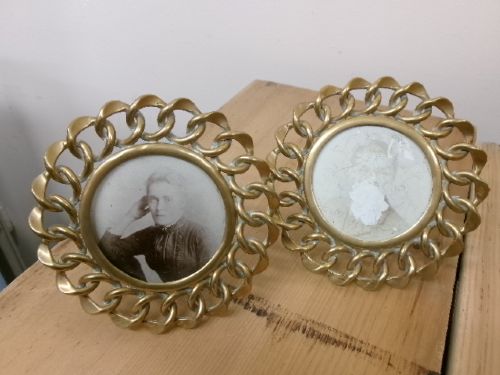
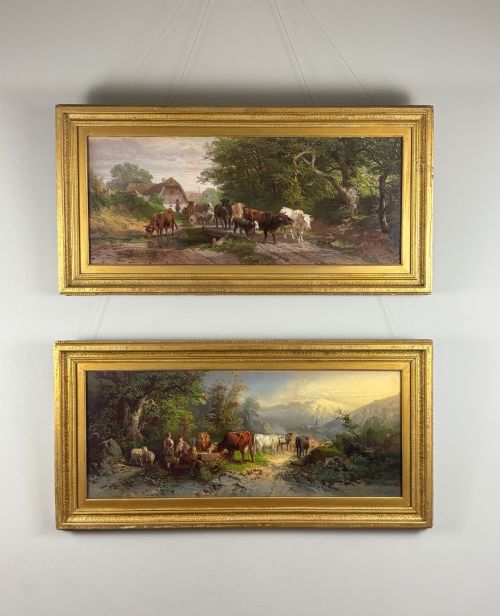
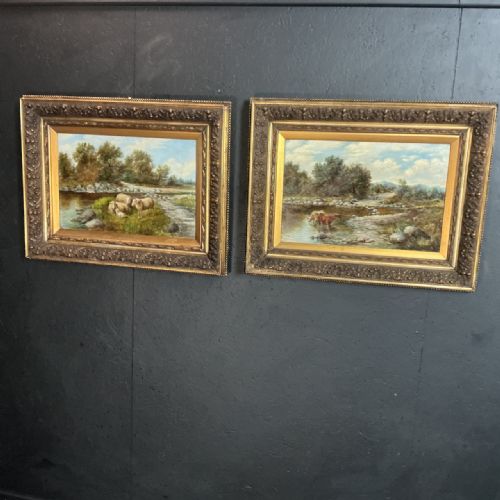
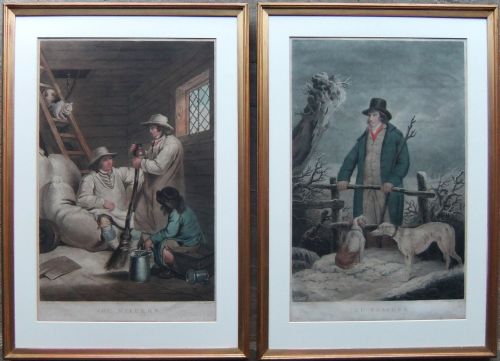
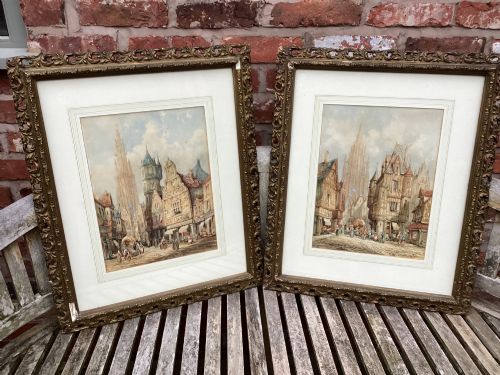
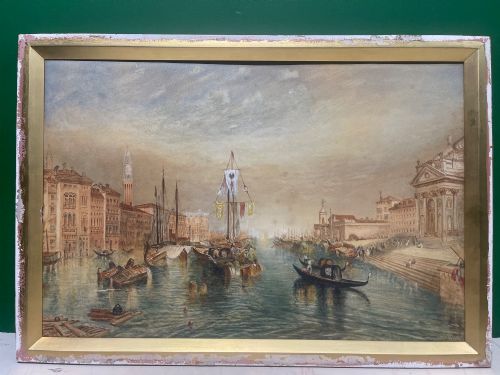
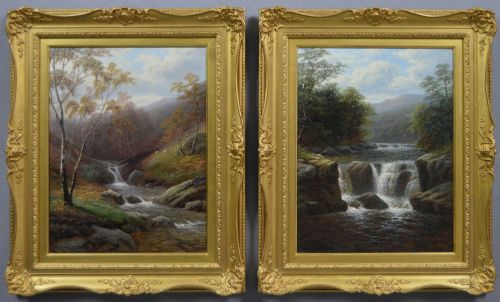

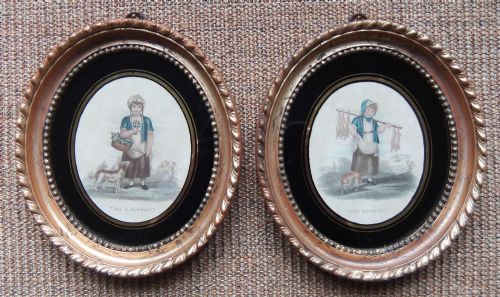
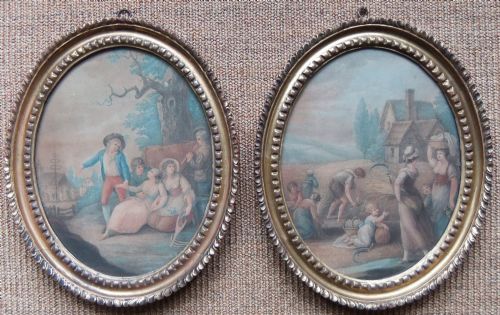
Pair of Gold Frames
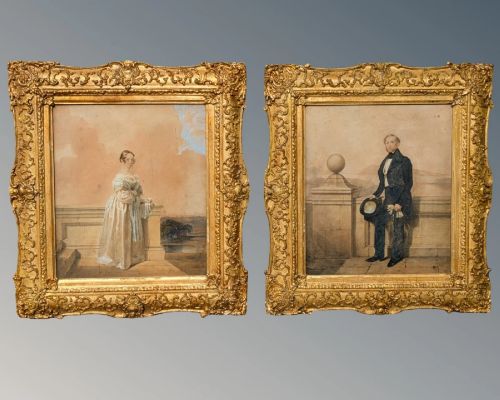
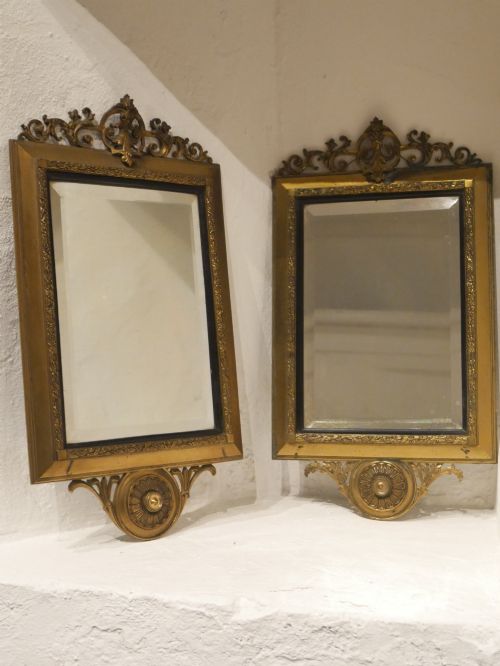
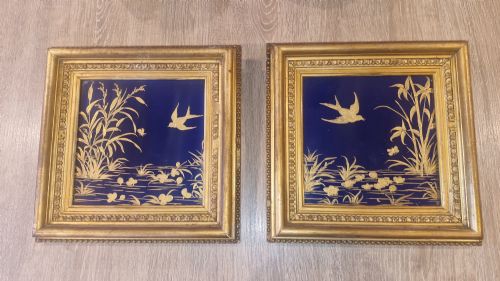
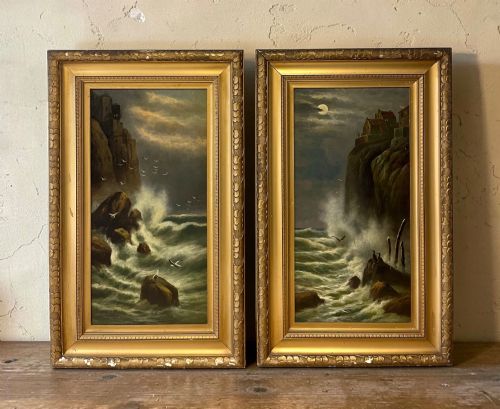
A pair of gold frames holds twin portraits, mirrors or prints, bringing symmetry and bright warmth to a room.
Pair of Gold Frames
A search for a pair of gold frames leads to matching surrounds that house oil paintings, mirrors, engravings and watercolours. These items stem from periods such as the Georgian, Victorian and Edwardian eras, spanning the eighteenth, nineteenth and early twentieth centuries.
The objects in this group often take the form of wall mirrors, overmantels, portraits or decorative panels. Many examples pair giltwood or gesso framing with canvas, paper or glass contents.
English and French workshops produced numerous surviving matched sets, utilising styles from French Rococo and Neoclassical to Regency. Buyers frequently encounter dual items designed for symmetry on either side of a mantelpiece or window.
Materials and construction methods
Makers built the structural foundation from timber such as wood, applying layers of gesso to carve intricate ornamentation. Artisans then laid gold leaf or water gilt surfaces over the prepared base.
Glass, oil paint, paper and canvas formed the interior contents of these matched pieces, secured behind wooden backings. Hand carving and moulding defined the decorative embellishments on the timber and gesso.
Pair of Gold Frames Retail Price Guide 2026
Typical asking prices for pair of gold frames among the pieces listed under this phrase on Sellingantiques today, from the lower quarter to the upper quarter. They describe what is for sale here now, not the wider market.
Listings feature items from the eighteenth, nineteenth and twentieth centuries, using giltwood, gesso, glass and oil paint.
Distinctions in quality
The depth and precision of the carved gesso separate standard production from finer workmanship. Crisp detailing in the foliage or scrollwork indicates a skilled hand.
The application of gold leaf versus paint influences the longevity and brilliance of the finish. Heavier timber construction and intact original glass or canvas elevate the standing of the piece.
Thomas Frye·Richard Purcell·Guido Bach·Charles Antoine Coypel·Jean Mariette·James Sharples·Emily Eyres·Adam Buck
The Pair of Gold Frames Glossary
- Giltwood
- Wood that has been covered with gold leaf or powder. This finish gives the frame its bright metallic appearance.
- Gesso
- A plaster mixture applied to wood frames as a base for carving and gilding. It allows artisans to shape detailed ornaments.
- Water Gilded
- A technique where gold leaf is applied to a wet clay bole surface. Burnishing creates a bright shine on the gold.
- Overmantel Mirror
- A large mirror designed to hang above a fireplace mantel. These items often form matched pairs in grand rooms.
- Pier Glass
- A tall mirror placed on the wall between windows. These mirrors reflect additional light into the interior space.
Pair of Gold Frames: Frequently Asked Questions
How do I hang a pair safely?
Heavy frames require sturdy wall fixings anchored directly into studs or masonry to support the weight of the wood and glass.
Use two hanging points on each frame to keep the pair level and secure against the wall surface.
Were these always made together?
Matched items were typically produced as a pair by the same workshop to ensure identical dimensions and decorative motifs.
Over time, some complementary pieces were brought together because of similar sizes and styles.
How do I clean gilt surfaces?
Dust the carved details gently with a soft dry brush to remove particles without disturbing the delicate gold leaf.
Avoid liquid cleaners or abrasive cloths, which can strip the thin metallic layer from the gesso.
What rooms suit these mirrors?
Drawing rooms and dining spaces benefit from the reflective light and formal symmetry provided by matched wall ornaments.
Bedrooms and hallways also accommodate smaller pairs above console tables or seating arrangements.