


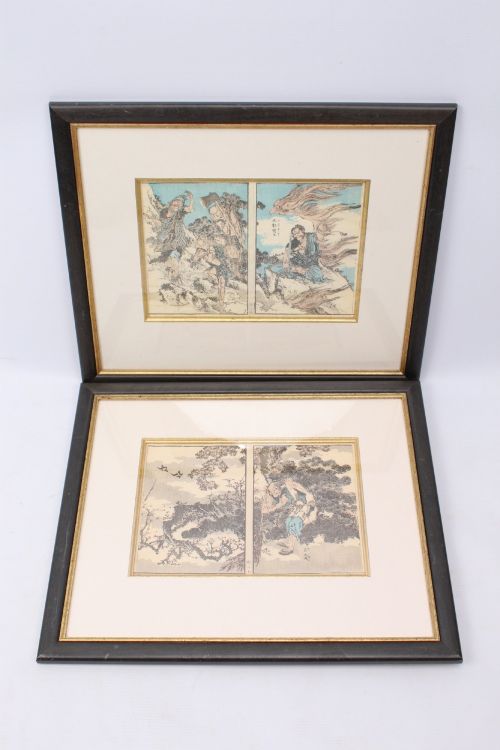
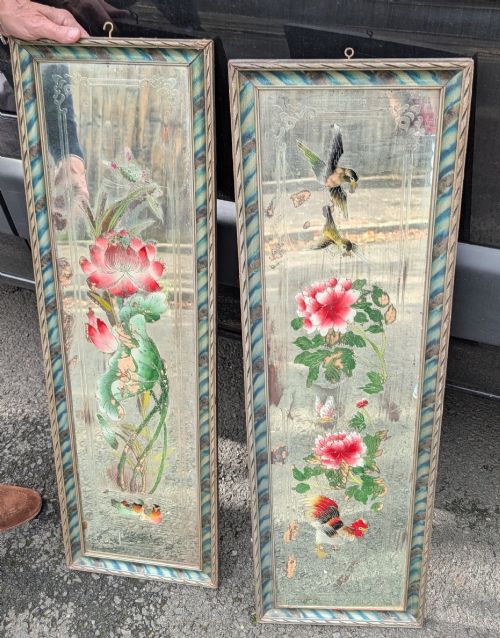
Pair of Framed Art
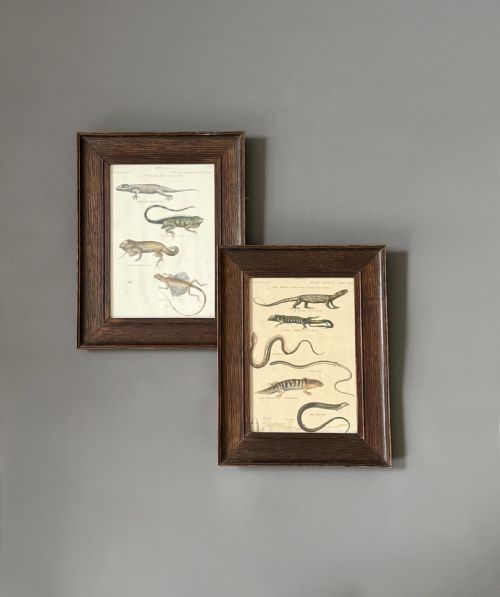
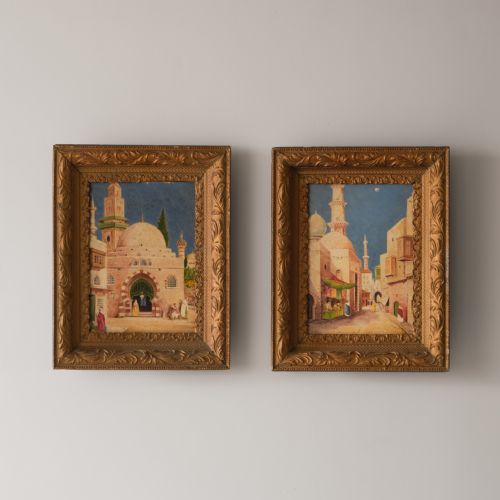
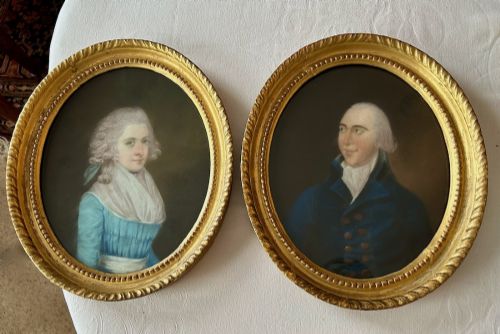
Pair of framed art brings together balanced wall displays spanning centuries, offering matching visual symmetry for symmetrical interior schemes.
Pair of Framed Art
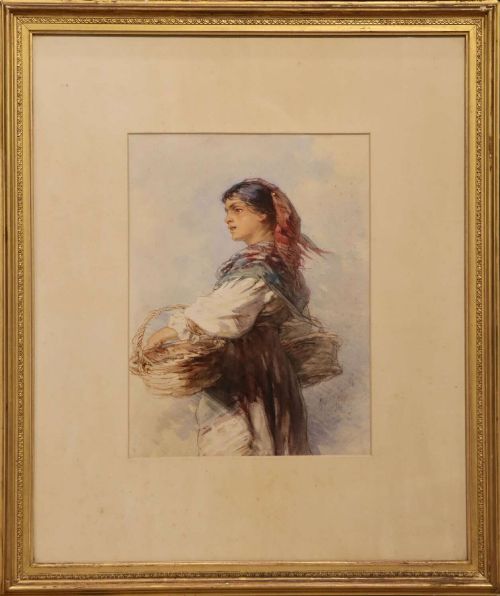
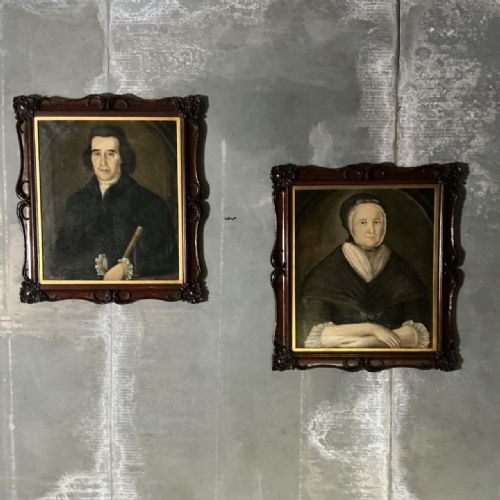
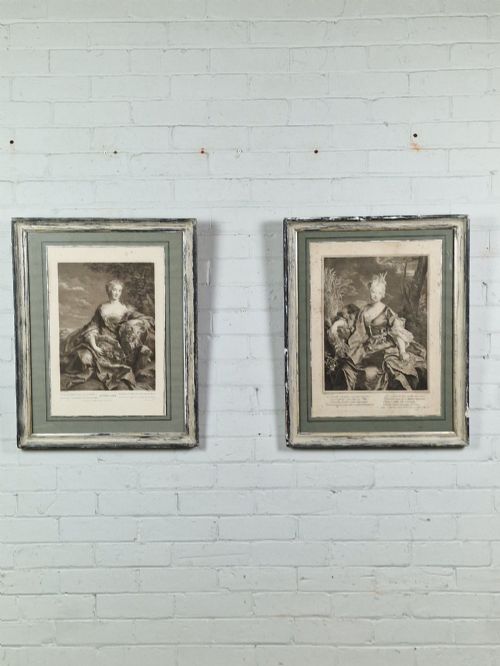
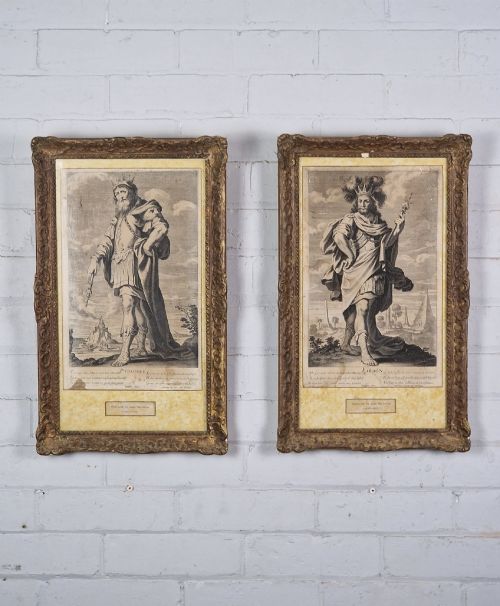
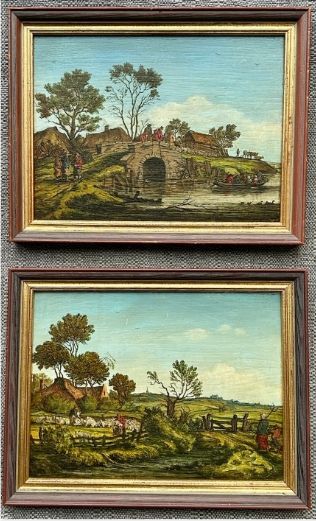
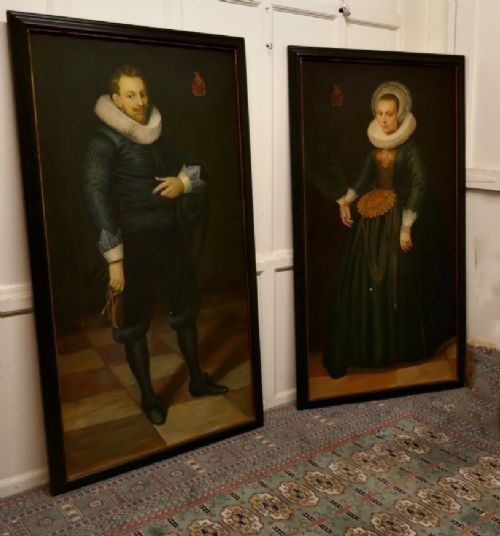
A pair of framed art consists of matching companion pieces designed to hang together, bringing visual balance and narrative symmetry to a wall. Buyers seeking this category encounter everything from eighteenth century classical oil paintings and pastel portraits to nineteenth century watercolours and early twentieth century prints.
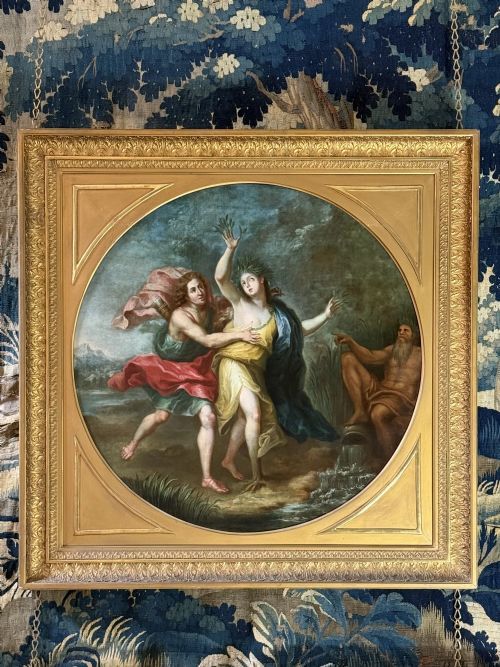
The selection ranges across diverse stylistic traditions, including Dutch Golden Age style still lifes, French Rococo mythological scenes, and Japanese woodblock prints. Many examples retain their original surrounds, such as deep nineteenth century gilt frames or wood mouldings.
Alongside wall hangings, the broader selection occasionally encompasses decorative panels and mirrors housed in matching surrounds. These works reflect domestic tastes from the Georgian era through to the mid twentieth century.
Materials and construction
Artworks in this category rely upon traditional media including oil paint on canvas or wood panels, watercolour and ink on paper, and pastel applied to paper or vellum. Engravings, mezzotints, and woodblock prints utilise inked plates or blocks pressed onto paper.
Surrounds utilise wood, often embellished with gold leaf or gilt wood, alongside cast iron, brass, and nickel plating for later frames and mirrors. Glass protects fragile works on paper, while canvas and panels provide rigid supports for oil paintings.
Frames range from deep nineteenth century gilt wood to nineteenth century plaster intaglio panels.
Distinctions in quality
The standard of execution separates master compositions from decorative studio output, seen in the confidence of brushwork or line. Finer portraits and classical scenes display anatomical accuracy and expressive depth, whereas simpler decorative pieces show more routine execution.
The integrity of the frame significantly influences the overall merit of a pairing. Original period surrounds that complement the age and style of the artwork command greater interest than later replacements.
Charles Antoine Coypel·James Sharpes·Thomas Frye·Fred Lawson
The Pair of Framed Art Glossary
- Mezzotint
- A printmaking process of the intaglio family where the surface is roughened to achieve rich tonal gradations. It was frequently used for reproducing royal and theatrical portraits in the eighteenth century.
- Pastel
- A dry painting medium consisting of powdered pigment and a binder rolled into sticks. Applied to paper, it creates velvety surfaces with soft colour transitions.
- Intaglio
- An image incised into a flat surface, or a cast made from such a mould. Grand Tour examples often featured classical reliefs in plaster.
- Gilt Wood
- Wood that has been treated with a thin layer of gold leaf or metallic powder. It provides a reflective, ornate finish to traditional frames.
- Woodblock print
- Relief printing technique where an image is carved into a block of wood, inked, and transferred to paper. This method flourished in Japanese artistic traditions.
Pair of Framed Art: Frequently Asked Questions
How should I hang a pair?
Companion works work best when hung at eye level with consistent spacing between them, usually a few inches apart to maintain a unified visual field.
Matching frames anchor the display, creating a sense of proportion that single pictures cannot achieve on a large wall.
Are original frames important?
Original frames provide historical context and ensure the surround matches the aesthetic and period of the artwork within it.
Gilt wood or deep Victorian mouldings enhance the visual weight of the pairing and preserve its integrity.
Can I mix different periods?
Mixing periods works successfully if the scale, frame style, or subject matter shares a common visual thread.
Symmetry depends more on tonal balance and size than strict adherence to a single decade.
What subjects are common?
Portraits, botanical studies, classical narratives, and landscapes dominate historical pairings, often created as companion pieces for domestic display.
Such subjects reflect the decorative priorities of Georgian, Victorian, and Edwardian interiors.