
Pair Gothic Revival Chairs
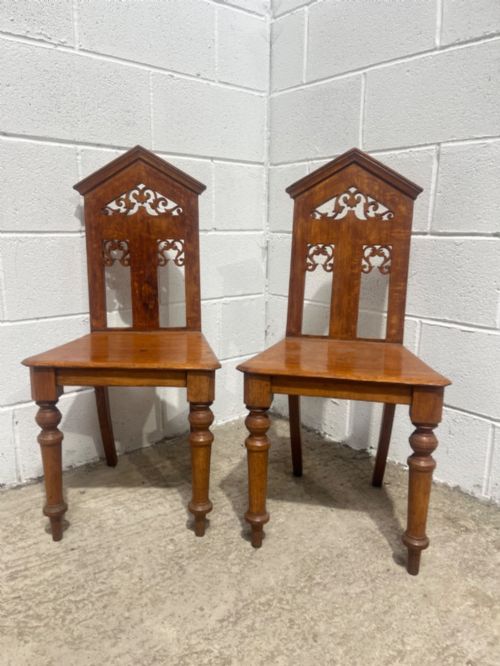
These pair gothic revival chairs bring architectural timberwork and pointed ecclesiastical lines directly into domestic rooms.
Pair Gothic Revival Chairs
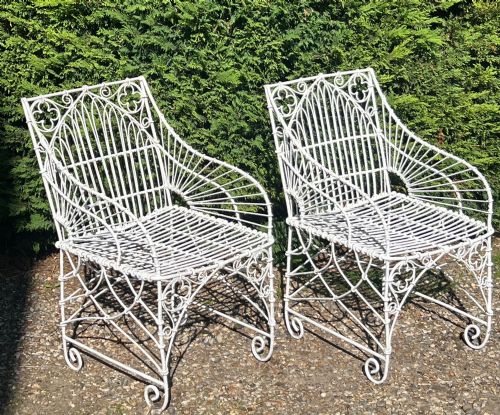
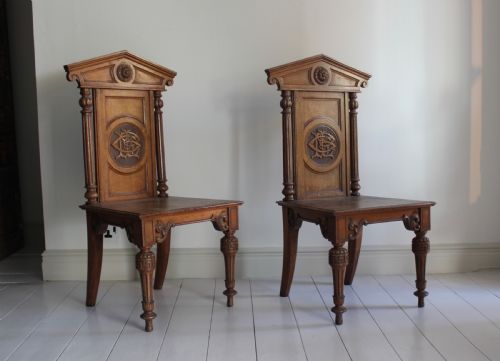
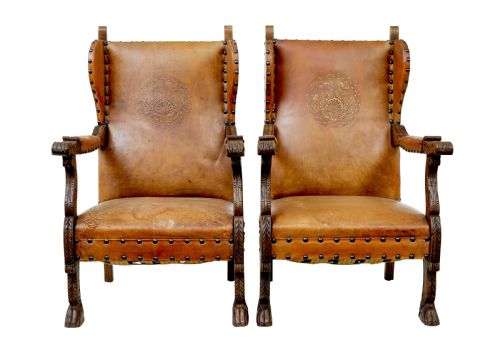
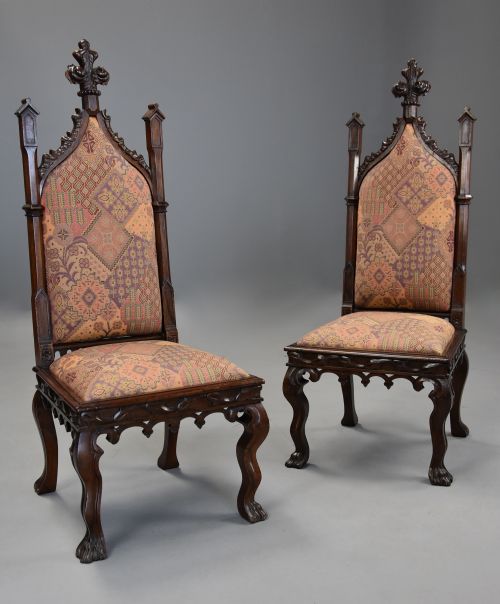
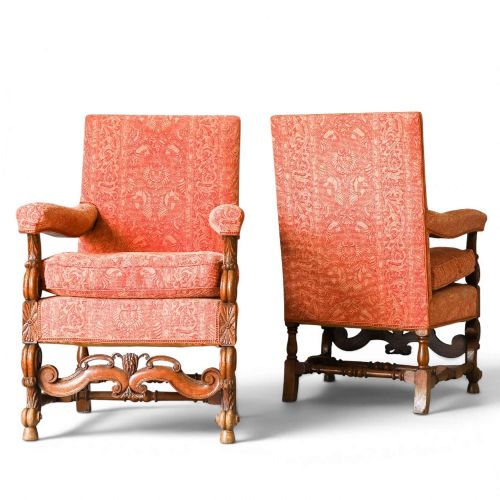
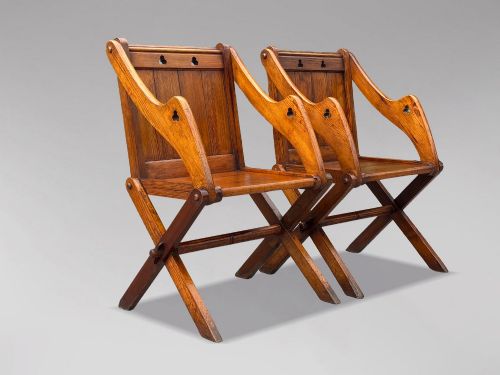
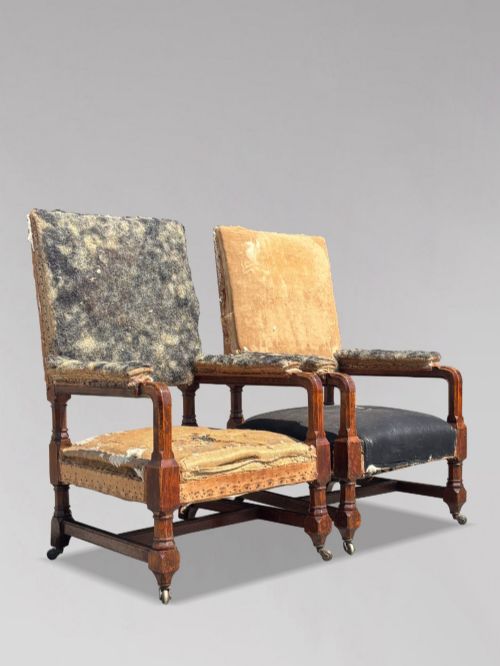
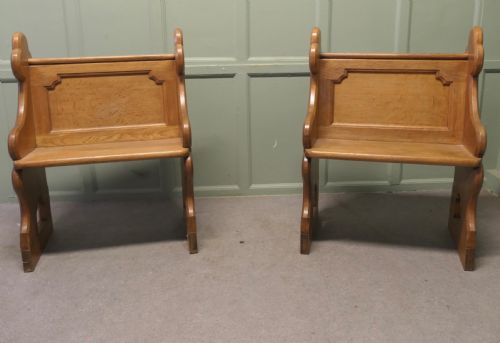
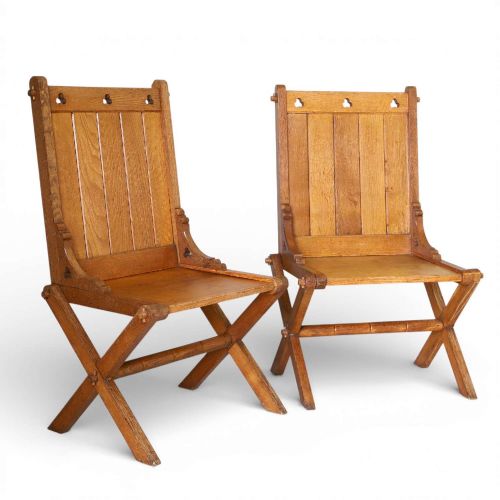
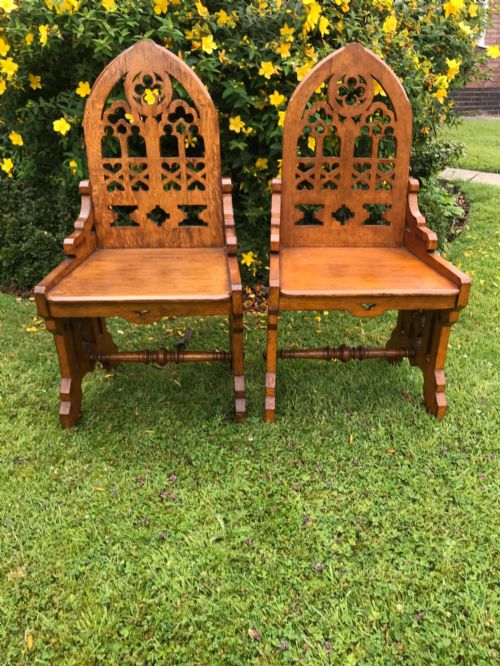
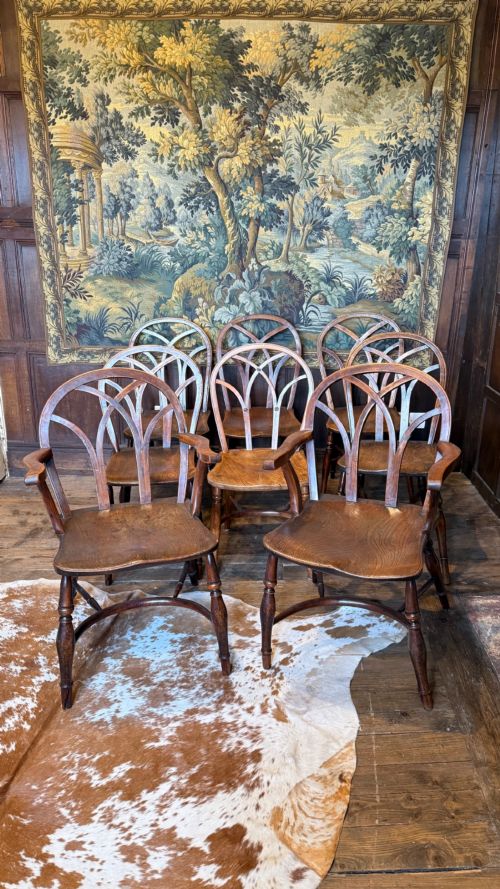
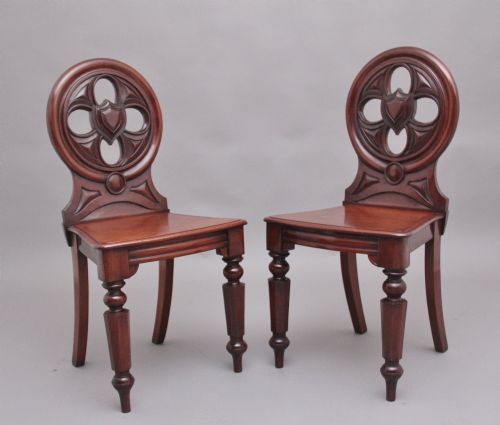
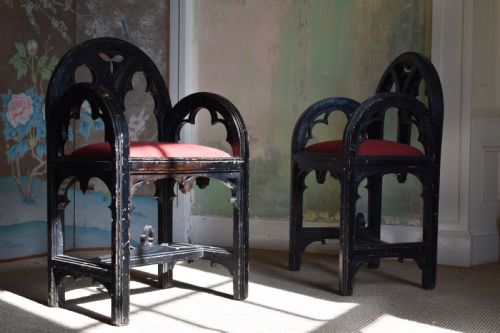
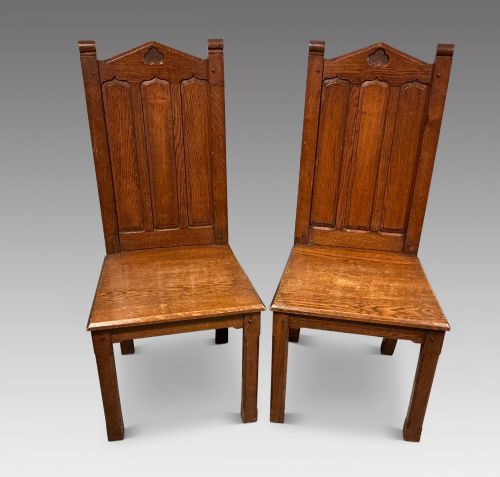
When searching for pair gothic revival chairs, buyers encounter matching sets of seating built during the nineteenth and early twentieth centuries, drawing heavily upon medieval church architecture and cathedral ornamentation. The forms span upright hall chairs with pointed backs, solid armchair thrones, and lower library or side seating.
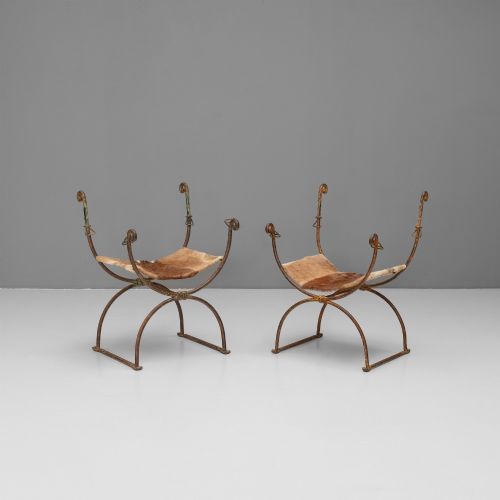
Oak dominates the surviving examples, though mahogany, pitch pine, walnut, and wrought iron also appear across different regional workshops and domestic settings. The primary variants range from austere country house seating to heavily carved ecclesiastical chairs bearing tracery and trefoil motifs.
Most examples hail from the Victorian era, reflecting a widespread architectural enthusiasm for mediaeval revivalism that persisted from the mid-nineteenth century into the Edwardian period.
Materials and construction
Makers relied principally upon solid timber frames of English and continental oak, joined using traditional mortise and tenon methods to support heavy architectural carving. Pitch pine and mahogany also served local cabinetmakers constructing domestic hall sets.
Surface ornamentation relied on deep hand-carving to produce pointed arches, trefoils, quatrefoils, and steeple backs. Leather, velvet, and embossed textiles were secured with brass tacks to pad the seats and backrests of upholstered armchairs.
Several heavy oak thrones incorporate carved Green Man masks glaring sternly from the crest rail, watching over the Victorian hallway.
Assessing quality and execution
Quality rests in the crispness and depth of the timber carving, distinguishing flat mechanical shaping from sharp, hand-chiselled tracery. The choice of stock timber also separates standard regional seating from dense, figured oak or select rosewood chosen for important commissions.
Structural integrity depends on the tightness of the original joints and whether the framing timbers remain free from excessive shrinkage or repair. Matched pairs sharing identical grain patterns and uniform wear command greater regard than near pairs assembled later.
Gillows of Lancaster·W.A. Willcocks·Bruce J. Talbert·J. W. Cook and Sons
The Pair Gothic Revival Chairs Glossary
- Tracery
- Openwork ornamentation in stone or timber, typically consisting of intersecting ribwork that mimics Gothic window designs. It provides the signature decorative pattern on chair splats.
- Trefoil
- A three-lobed decorative ornament resembling a clover leaf, frequently pierced through the wooden backrests of Gothic revival seating. This geometric shape defines much of the ecclesiastical aesthetic.
- Glastonbury chair
- A traditional folding armchair with X-frame supports and a sloping back, widely reinterpreted by Victorian makers during the Gothic revival. It takes its name from an ancient monastic relic.
- Hall chair
- An upright, often unpadded wooden chair designed to stand in a hallway or entrance lobby rather than for prolonged sitting. They usually feature prominent carved crests and solid timber seats.
- Curule
- An X-framed chair design derived from ancient Roman magistrate seats, occasionally adopted in Renaissance and Gothic revival seating variants. The intersecting leg structure offers distinct architectural presence.
Pair Gothic Revival Chairs: Frequently Asked Questions
Where were pair gothic revival chairs placed originally?
These chairs stood primarily in grand entrance halls, libraries, and dining rooms of Victorian country houses and rectories. Their imposing silhouette communicated status and an appreciation for mediaeval heritage.
In ecclesiastical settings, similar matching pairs served clergy members or stood near the altar before finding their way into domestic parlours.
How do you clean antique oak chairs?
Maintain the timber surfaces using natural beeswax applied sparingly with a soft cloth to nourish the dry wood grain. Avoid modern liquid polishes containing silicones that can penetrate open pores and damage old patinas.
Upholstered sections require gentle vacuuming with a brush attachment to lift dust from embossed leather or velvet without disturbing the tension.
Are these chairs comfortable for daily seating?
Most surviving hall and side chairs were built for architectural effect and upright posture rather than relaxed lounging. Their rigid timber backs and shallow wooden seats suit brief use in hallways or studies.
Upholstered armchairs featuring padded leather or sprung seats offer a softer sit, though their upright geometry still encourages an attentive posture.
How can you tell a true pair from a near pair?
True pairs share identical timber grain patterns, matching tool marks, and uniform dimensions resulting from simultaneous construction in the same workshop. They display consistent wear across both frames.
Near pairs consist of two closely related individual chairs brought together later by dealers due to similar heights, wood types, and decorative motifs.