


Pair Gothic Library Chairs
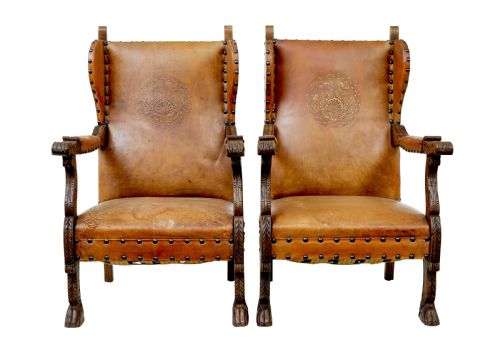
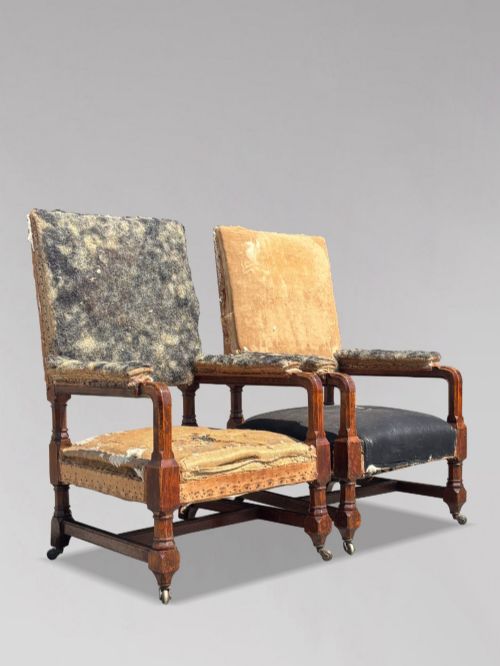
Pair gothic library chairs bring solemn architectural presence and substantial seating to a room, built mostly in oak with leather upholstery.
Pair Gothic Library Chairs
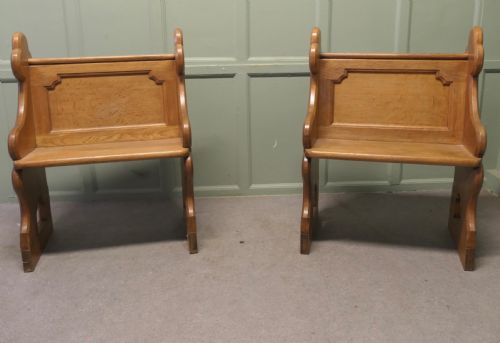
When you search for pair gothic library chairs, you find robust nineteenth century seating built for reading rooms and studies, typically taking the form of heavy oak armchairs with architectural details. The pieces available here span the Victorian era, emerging through the nineteenth century in styles like Gothic Revival and Arts and Crafts.
Most examples you meet on this page are constructed from oak, often paired with embossed or buttoned leather seats and backs. Beyond standard armchairs, the forms stretch to desk chairs, hall chairs, dining chairs, and larger throne or tub configurations.
How they were made
Cabinet makers built these chairs using solid oak timbers, sometimes referred to as golden oak or walnut, relying on traditional joinery to support heavy frames. Carving often defines the aesthetic, featuring green man motifs, lion heads, and pointed arch architectural tracery.
Upholstery methods utilised brass tacks, hessian, and leather, with buttoned hide or plain upholstery secured directly to the wooden frameworks. Materials like rush and fabric also appear on specific vernacular and arts and crafts iterations.
The listings here draw heavily on nineteenth century oak, incorporating materials like brass, hessian, and leather across various chair forms.
What varies in quality
The distinction between standard output and the top of the range rests on the ambition of the carver and the quality of the timber selection. Deeply carved figures, substantial proportions, and named attribution elevate certain sets above straightforward regional seating.
Original leather surfaces and patinated golden oak finishes hold more interest than later replacements, though the structural integrity of the heavy oak frames remains the primary measure of worth.
The Pair Gothic Library Chairs Glossary
- Gothic Revival
- A nineteenth century architectural and decorative style that revived medieval forms, pointed arches, and ecclesiastical motifs in furniture design.
- Arts and Crafts
- A design movement focusing on traditional craftsmanship, simple construction, and visible joinery that influenced late nineteenth century makers.
- Throne Chair
- An exceptionally large, high backed armchair designed to dominate a room, often featuring heavy carving and ecclesiastical proportions.
- Buttoned Leather
- Upholstery technique where leather is pulled deep into the padding with tufts secured by tacks or buttons, creating a diamond pattern.
- Green Man
- A decorative architectural carving representing a human face surrounded by or sprouting foliage, frequently seen on Victorian woodwork.
Pair Gothic Library Chairs: Frequently Asked Questions
Where were pair gothic library chairs placed?
These substantial seats were designed for private libraries, studies, and grand halls of nineteenth century houses, providing durable seating for reading and writing.
Their heavy frames and imposing designs suited domestic spaces that favoured architectural seriousness and historical revival styles.
How do I care for leather upholstery?
Leather surfaces on these chairs benefit from regular dusting and occasional treatment with appropriate conditioners to prevent the hide from drying out.
Keeping them away from direct heat sources and strong sunlight preserves the original tone of the material.
What woods were used for these chairs?
Oak is the predominant timber found in these listings, appearing in standard, golden, and dark varieties across the nineteenth century pieces.
Walnut also appears in French and Victorian variants, offering a slightly different grain and colour compared to the standard oak frames.
How can I tell the period?
Dating relies on stylistic clues such as the severity of the Gothic Revival ornament, the presence of Arts and Crafts influence, and construction methods.
Most examples date from the nineteenth century, with specific decades indicated by cleaner reform gothic lines or heavier Victorian carving.