



Pair Dark Metal Sculptures
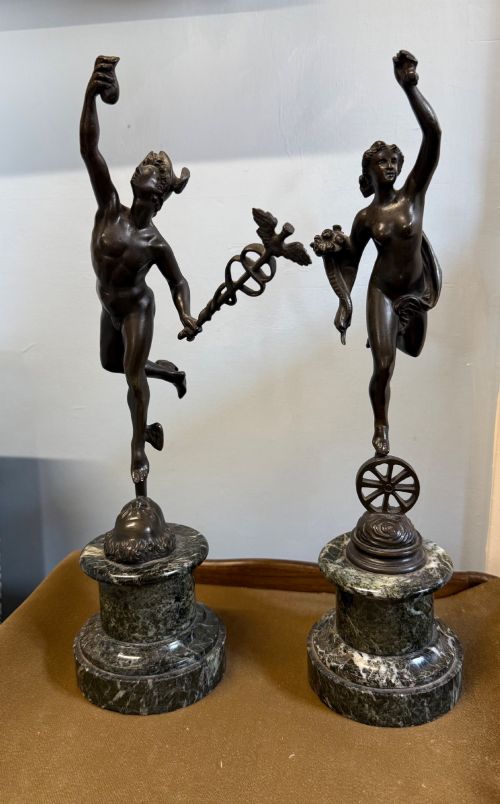
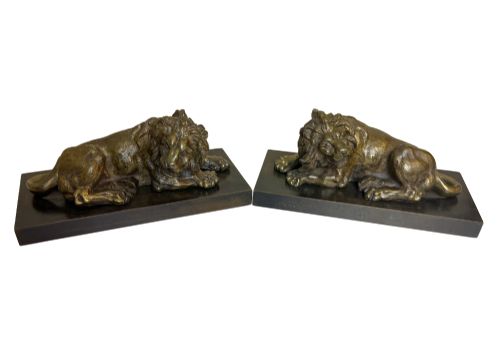
Pair dark metal sculptures bring symmetry and presence to a room, spanning figures, lions, and classical motifs cast in bronze and spelter.
Pair Dark Metal Sculptures
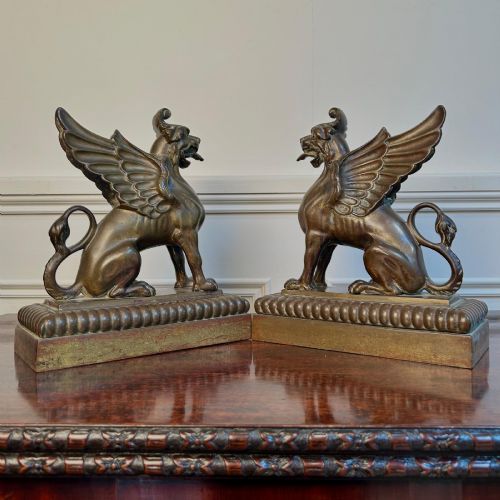
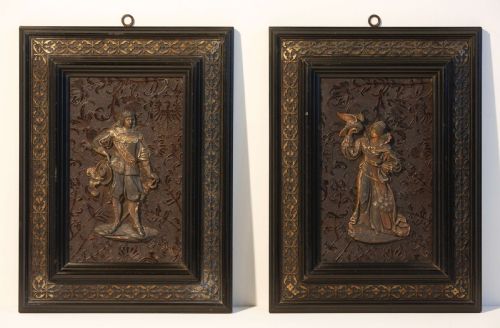
When you search for pair dark metal sculptures, you encounter matched figures, animals, and architectural objects designed to balance a mantelpiece or console. These works draw on historical revivals, including Neoclassical, Gothic, and Baroque styles, often mounted on heavy stone plinths.
The selections on this page lean heavily towards the nineteenth century and the early twentieth century, showing both French and English origins. You find domestic decorative objects alongside larger figures and garden ornaments, reflecting varied domestic tastes over the decades.
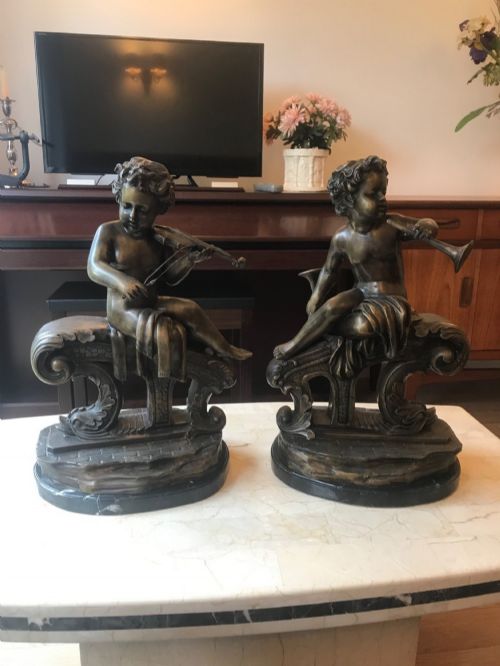
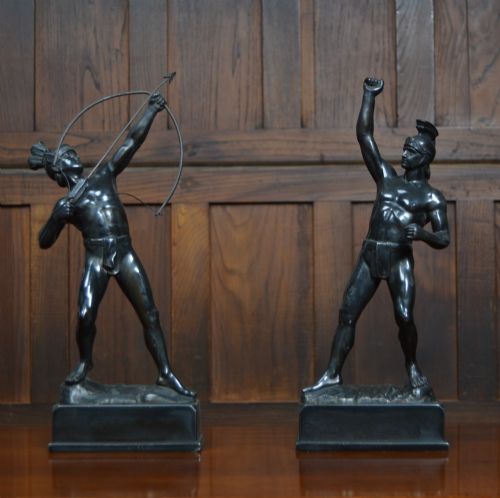
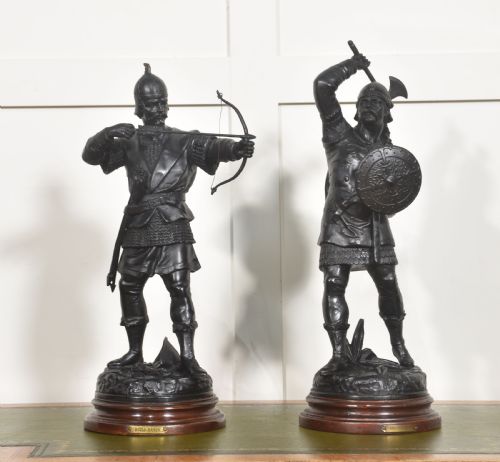
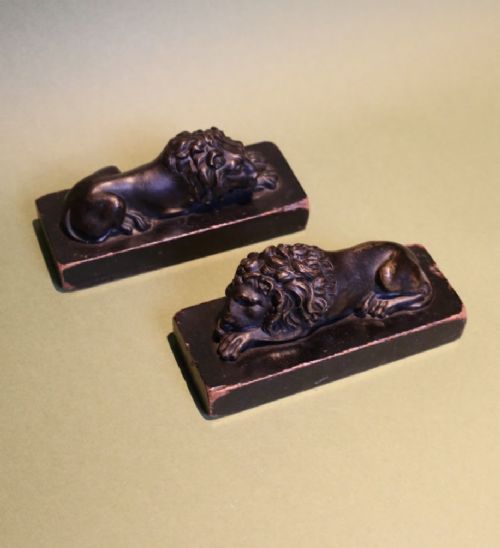
Subjects range from mythological creatures and lions to classical human figures, cherubs, and soldiers. Many items function as candlesticks, doorstops, or decorative table ornaments rather than purely standalone gallery statues.
Materials and casting methods
Foundry work relies primarily on bronze, spelter, and cast iron, sometimes enhanced with a patinated, bronzed, or gilded finish. Spelter offers a lighter, softer alternative to traditional bronze, frequently used for detailed nineteenth-century figural works.
Many figures stand upon marble or green marble bases, adding substantial weight and a distinct visual contrast to the dark metal above. Certain items incorporate white metal or electrotype techniques to achieve specific surface details and relief effects.
Medieval characters balanced rather unsteadily on stilts make a surprisingly charming pair of bronzed spelter candlesticks.
Assessing quality in metal sculpture
The finish and patina significantly influence the character of the object, whether it is an aged bronze surface or a patinated spelter coating. Heavier gauge metals and genuine marble bases indicate a higher grade of production compared to lighter alloys.
C Dopmeyer·Charles Cumberworth·Louis Riche·Leonhard Posch
The Pair Dark Metal Sculptures Glossary
- Spelter
- A zinc alloy commonly used as a cost-effective substitute for bronze in nineteenth-century decorative figures. It accepts patination well but is softer than bronze.
- Patina
- The surface sheen or coloration developed through age or chemical treatment by the founder. It protects the metal and defines the visual tone.
- Electrotype
- A replica metal object produced by an electrolytic deposition process. This technique captures fine surface detail directly from an original sculpture.
- Grand Tour
- Souvenir objects purchased by travellers in Europe during the eighteenth and nineteenth centuries, often replicating classical antiquities in miniature bronze.
- Foo dogs
- Traditional Chinese guardian lion figures adapted into decorative European metalwork. They frequently appear in matched pairs flanking an entryway or shelf.
Pair Dark Metal Sculptures: Frequently Asked Questions
How do I tell bronze from spelter?
Bronze is heavier, colder to the touch, and rings with a clear tone when tapped gently. Spelter is a softer zinc alloy that feels lighter and may show a greyish metal beneath chips in the finish.
Examining the underside or areas of wear often reveals the softer nature of spelter compared to the dense durability of true bronze.
Were these always displayed as pairs?
Most of these pieces were cast specifically as matched counterparts to flank a central mirror, clock, or architectural feature. Symmetry was a primary goal in nineteenth-century interior arrangement.
Over time, pairs can become separated, making a complete matched set desirable for display on mantelpieces or sideboards.
How should I clean dark metal sculptures?
Dust them gently with a soft, dry cloth to prevent the accumulation of dirt in recessed crevices. Avoid commercial metal polishes, as they strip away the historical patina.
Applying a very light coat of microcrystalline wax can protect the surface of bronze and iron from atmospheric moisture.
What is a Grand Tour sculpture?
Grand Tour sculptures are smaller bronze copies of famous classical monuments and statues collected by Europeans travelling abroad. These pieces served as intellectual and artistic souvenirs.
They are typically mounted on polished marble bases and date from the nineteenth century.