



Pair Chinese Wooden Sculptures
Pair chinese wooden sculptures bring centuries of Qing Dynasty artistry into a room, offering matched balance through carved figures of immortals, foo dogs, and water buffaloes.
Pair Chinese Wooden Sculptures
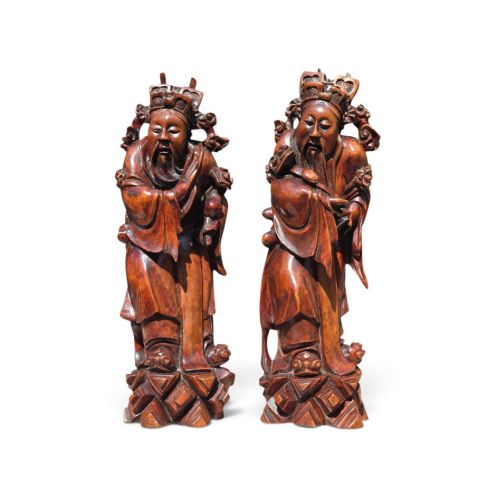
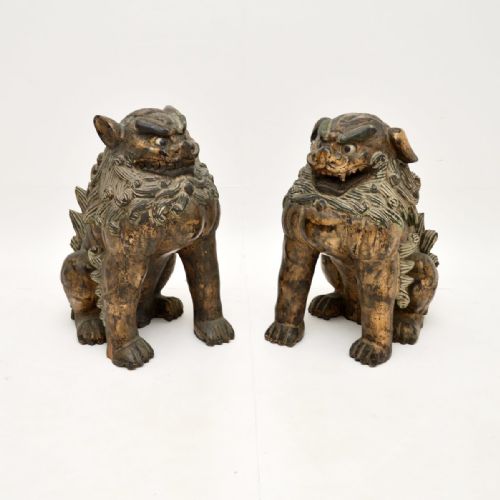
When you search for pair chinese wooden sculptures, you are looking at matched carvings intended to sit together in balance, most frequently taking the form of foo dogs, water buffaloes, and figures of immortals. These matching pairs originate predominantly from the nineteenth century, spanning decades such as eighteen eighty, eighteen ninety, and nineteen hundred.
The pieces appear across several forms on this page, including decorative sculptures, statues, and root carvings. You are most likely to meet hardwood figures and foo dog statues carved under the influence of Qing Dynasty traditions.
Makers shaped these subjects to symbolise protection and auspicious qualities, with mandarin ducks, Buddhist lions, and Daoist immortals forming the core of the available subjects. Each grouping relies on symmetrical composition to anchor a mantelpiece, side table, or display cabinet.
How they were made
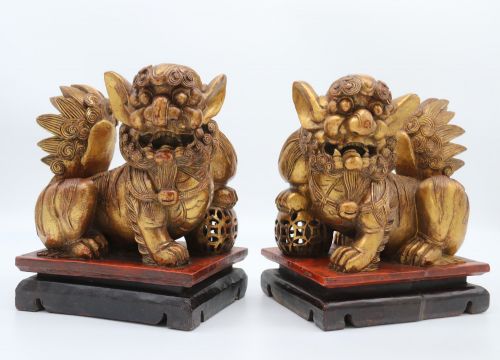
Workshops carved these figures primarily from dense hardwood, root wood, and general timber, utilising the natural grain to define the musculature of water buffaloes and the fluid folds of robes on immortals. Artisans occasionally applied gilt wood finishes, polychrome paint, and lacquer to highlight specific details such as manes, harness work, and facial expressions.
The execution ranges from the flowing, organic lines of root carvings to the sharp, deliberate chiselling found on Foo dog statues and architectural temple guardians. Carvers worked the wood with hand tools to ensure both figures in a matched pair mirrored each other in posture, scale, and decorative depth.
Pair Chinese Wooden Sculptures Retail Price Guide 2026
Typical asking prices for pair chinese wooden sculptures among the pieces listed under this phrase on Sellingantiques today, from the lower quarter to the upper quarter. They describe what is for sale here now, not the wider market.
Several water buffaloes stand ready for action without a rider in sight.
What varies in quality
The preservation of original surface treatments also dictates the standing of a pair, particularly where gilt wood, lacquer, or polychrome paint survive intact. Natural timber pieces draw their merit from the grain selection and the absence of clumsy later repairs to limbs, stands, or delicate extremities.
The Pair Chinese Wooden Sculptures Glossary
- Qing Dynasty
- The final imperial dynasty of China, lasting from sixteen forty-four until nineteen twelve. Pieces from this era often feature traditional motifs and formal carving styles.
- Foo Dog
- A mythical guardian lion traditionally placed outside temples and palaces for protection. Sculptures of these creatures appear as paired male and female sentinels.
- Hardwood
- Dense, slow-growing timber selected by carvers for its strength and fine grain. This material allows for intricate chisel work that resists splintering.
Pair Chinese Wooden Sculptures: Frequently Asked Questions
How were these wooden sculptures used originally?
Paired statues typically served as protective guardians flanking domestic altars, doorways, or important interior spaces. Figures of animals and immortals also carried symbolic wishes for longevity, harmony, and prosperity.
Domestic settings in the nineteenth century incorporated these matched carvings as decorative focal points on furniture surfaces. Their symmetrical arrangement brought visual balance to reception rooms and studies.
Where should I place a pair in my home?
Matched pairs look best when displayed symmetrically on sideboards, console tables, or mantelpieces where their shared composition can be appreciated together. Placing them on flat, stable surfaces protects their bases and allows adequate clearance for intricate protruding elements.
Keep wooden sculptures away from direct heat sources and strong sunlight to prevent the timber from drying out or splitting. Maintaining stable indoor humidity preserves both the wood and any surviving lacquer or gilt finish.
How do I distinguish nineteenth century pieces?
Nineteenth-century carvings exhibit the tool marks, patination, and wear consistent with age, alongside the heavier proportions typical of Qing Dynasty production. Examining the underside of the figures or integrated stands often reveals the dry, oxidised surface of older timber.
Stylistic conventions of the period favour specific interpretations of temple lions, water buffaloes, and Daoist figures that differ from earlier Ming styles or twentieth-century copies. Comparing the carving depth and surface texture helps confirm the production era.
What is the difference between root carvings and figures?
Root carvings utilise the natural, gnarled contours of tree roots to suggest forms such as animals, figures, or landscape elements with minimal human intervention. Standard figures are carved from blocks of timber shaped deliberately into specific subjects like immortals or foo dogs.
While root carvings highlight organic asymmetry and the unusual shapes dictated by nature, formal figures rely on strict anatomical or stylistic precision. Both methods require skilled hand carving to achieve a balanced pair.