

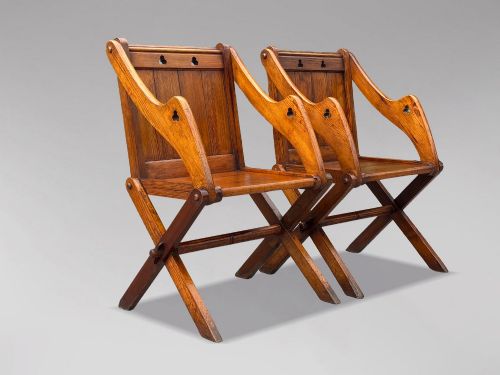
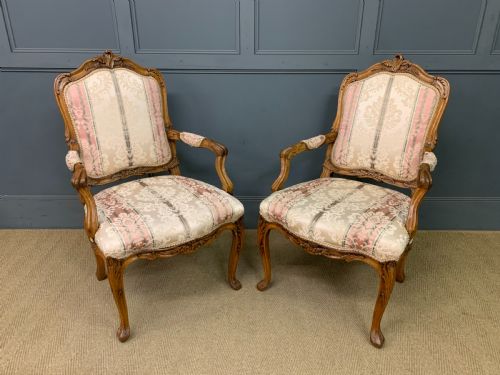
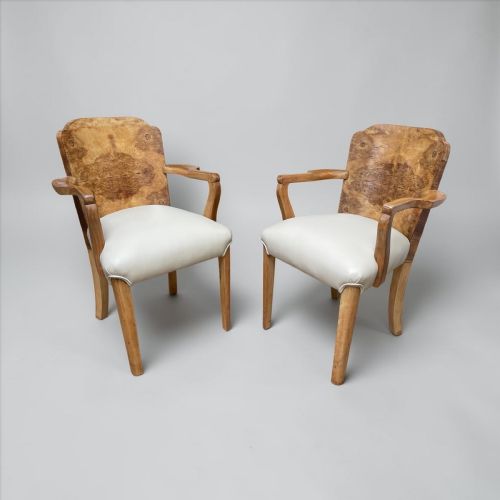
Pair Carved Wooden Seats
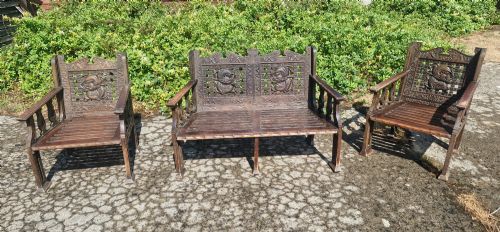
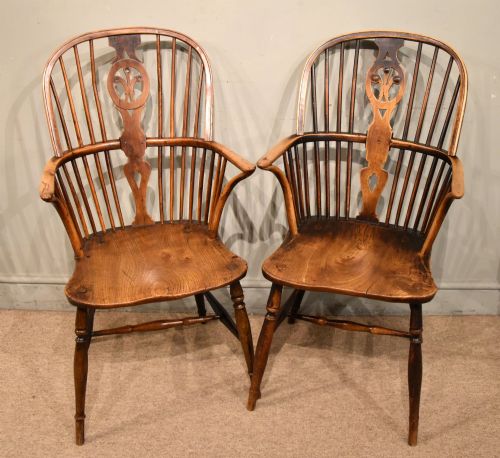
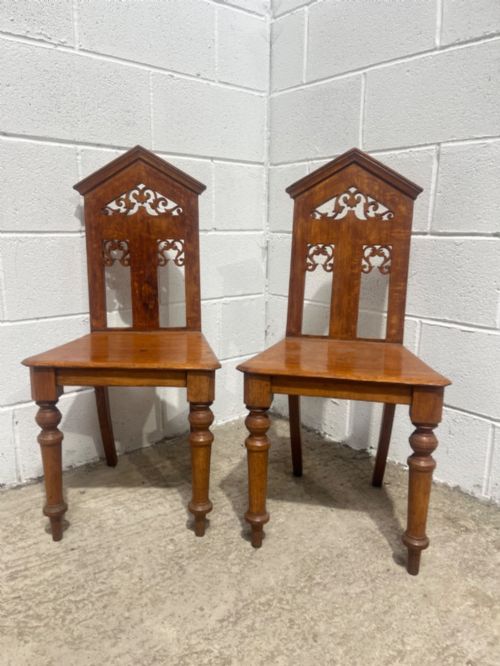
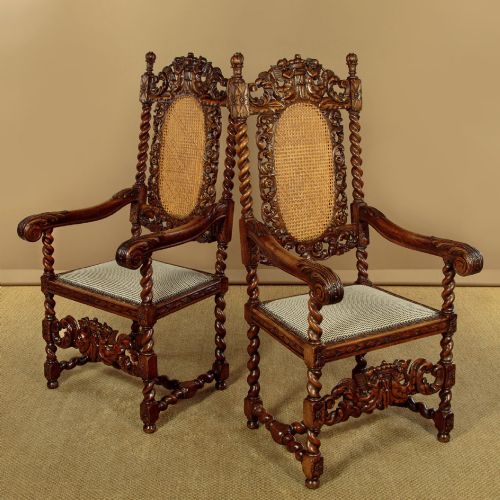
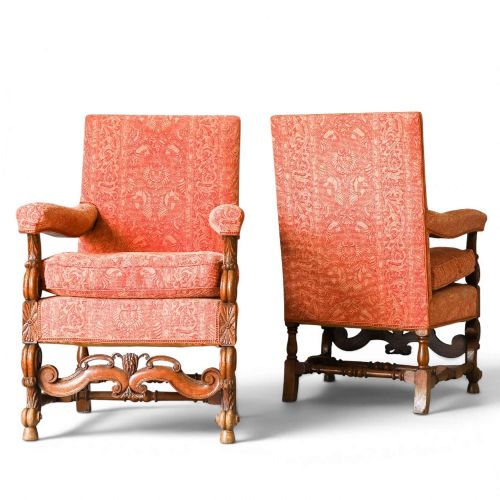
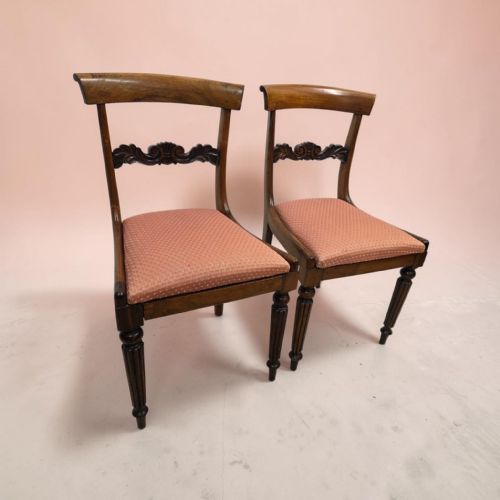
Pair carved wooden seats offer symmetry and historical presence, spanning formal mahogany hall chairs to robust elm Windsor armchairs.
Pair Carved Wooden Seats
When you search for pair carved wooden seats, you encounter matched seating forms ranging from 18th century styles to 20th century designs. The selection includes dining chairs, hall chairs, armchairs, and stools originating from English, French, Chinese, and Italian workshops.
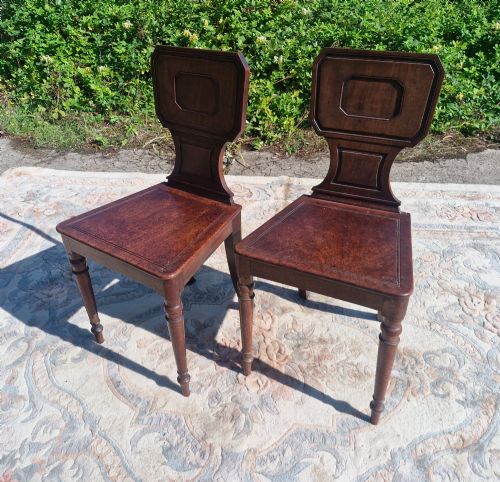
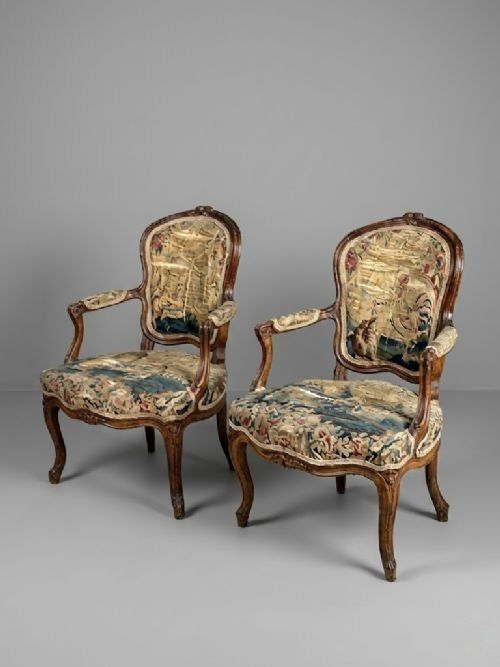
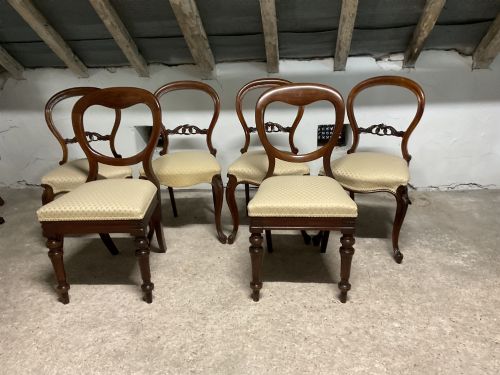
Hall chairs and dining chairs dominate the earlier periods, often rendered in mahogany or oak with carved wooden backs. Armchairs and salon seats appear frequently in walnut and beech, reflecting Regency, Victorian, and revival aesthetics.
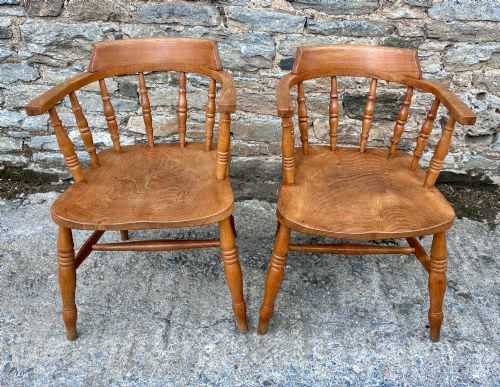
Vernacular pieces such as elm Windsor chairs and pine stools sit alongside formal giltwood baroque throne armchairs and Art Deco occasional chairs. This variety captures centuries of domestic seating traditions in matched pairs.
Materials and construction methods
Cabinetmakers utilised dense timbers including mahogany, walnut, oak, elm, and beech to construct these seats, frequently applying detailed hand carving to wooden backs and frames. Certain pieces incorporate applied brass details, red lacquer finishes, or ebonised surfaces.
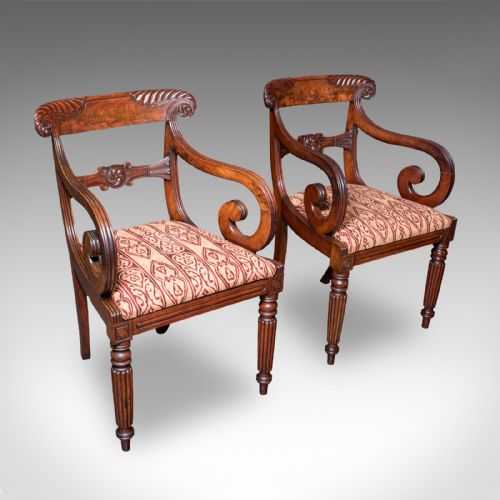
Upholstered examples combine wooden frames with fabric, upholstery fabric, or traditional coverings such as Aubusson tapestry. Joinery techniques range from pegged mortise and tenon joints in vernacular Windsor chairs to sophisticated turned and carved supports in period armchairs.
Elephant arm chairs from the Art Deco period share space here with traditional Welsh elm Windsor chairs and giltwood thrones.
Distinctions in craftsmanship and condition
Quality rests in the crispness of the hand carving and the selection of timber figures, such as figured mahogany or rich walnut grain. Superior pieces maintain structural integrity in their joints and retain original surface finishes like patinated lacquer or polished hardwood.
The degree of symmetry between the two items determines the success of the pair, alongside the preservation of original elements such as turnings, stretchers, and carved splats.
James Shoolbred and Co
The Pair Carved Wooden Seats Glossary
- Hall chair
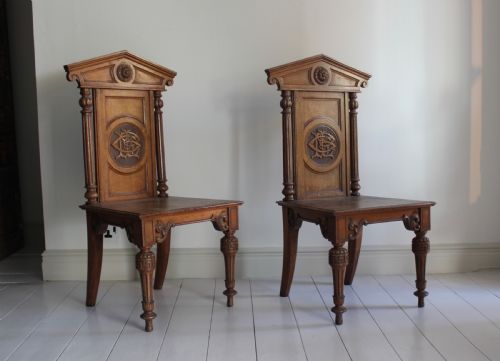
- A rigid wooden seat traditionally placed in a hallway or entrance space, often featuring a solid carved back displaying a crest or shield.
- Windsor chair
- A wooden seating form constructed with turned legs and spindles inserted into a thick wooden seat, frequently featuring a high arched back.
- Giltwood
- Timber coated with a thin layer of gold leaf or gilt paint, commonly found on decorative 19th century revival and baroque style armchairs.
- Yokeback
- A traditional chair design featuring a curved top rail resembling a yoke, seen in specific regional Asian seating forms.
- Balloon back
- A rounded, oval-shaped chair back popular during the Victorian era, typically executed in mahogany or walnut.
Pair Carved Wooden Seats: Frequently Asked Questions
What periods do these wooden seats cover?
The available seating spans from the 18th century through the Regency and Victorian eras into the 20th century. Styles draw upon Georgian, Gothic Revival, French Louis designs, and Art Deco movements.
Individual pieces reflect the prevailing aesthetic tastes of their respective decades, incorporating woods like oak, mahogany, walnut, and elm.
How were paired hall chairs used historically?
Hall chairs served as functional and decorative furniture in grand entrances, corridors, and reception spaces. Guests and visitors used them briefly while waiting.
Their rigid wooden construction and carved heraldic backs projected the status and lineage of the household.
Are these seats suitable for daily dining?
Many examples, including dining chairs and elbow chairs, function effectively around a modern dining table. Robust timber frames provide the necessary physical support.
Lighter salon chairs or ornate giltwood armchairs suit occasional seating and decorative placement rather than heavy daily use.
How do I identify a true pair?
A matched pair exhibits consistent dimensions, identical carving details, and matching timber species across both items. Minor variations in hand-carved elements often confirm authentic period manufacture.
Inspect the joinery methods and wear patterns to ensure both chairs share the same origin and history.