
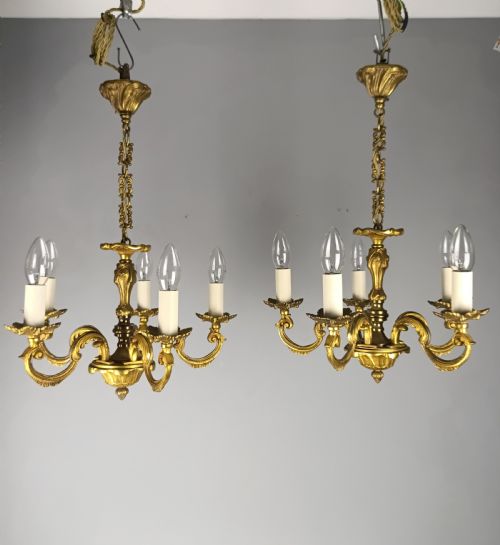


Pair Brass Light Fittings
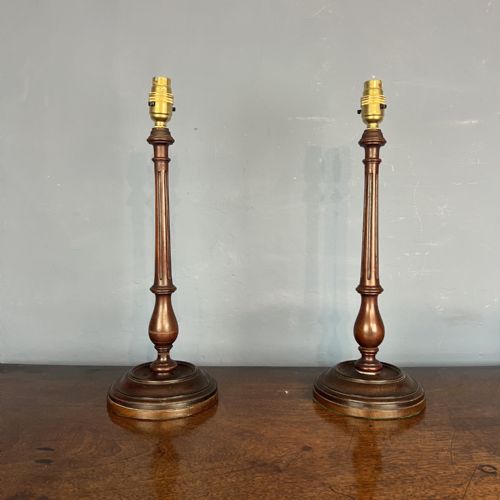
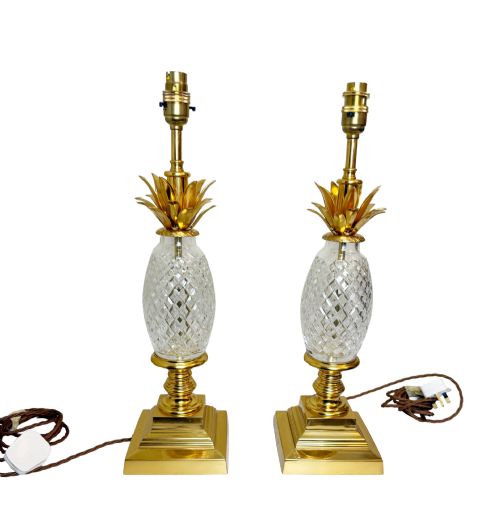
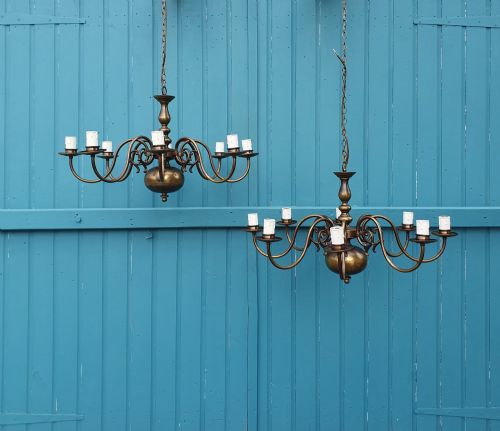
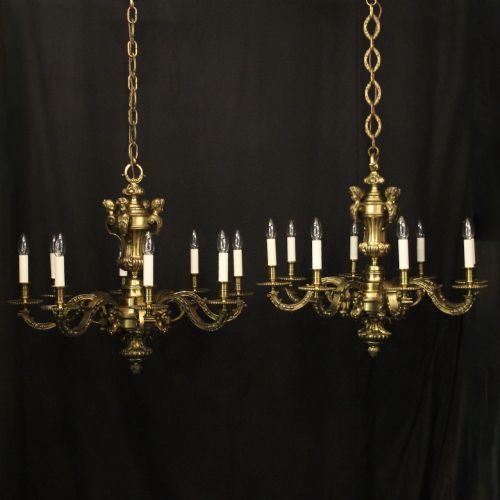
Pair brass light fittings bring distinct illumination and period character to a room, spanning wall sconces, chandeliers, and table lamps from various historical eras.
Pair Brass Light Fittings
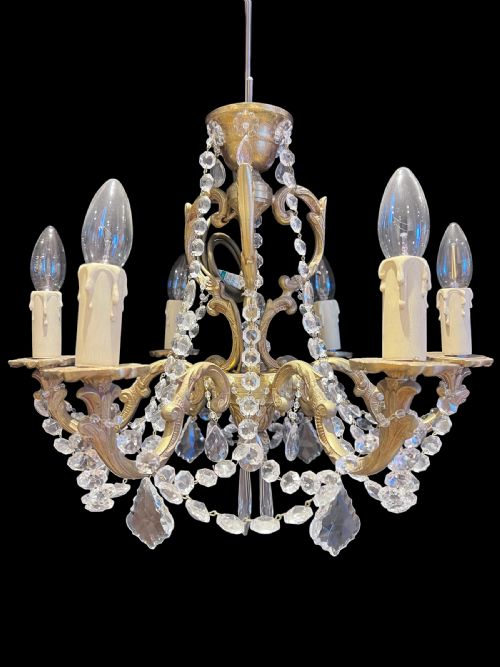
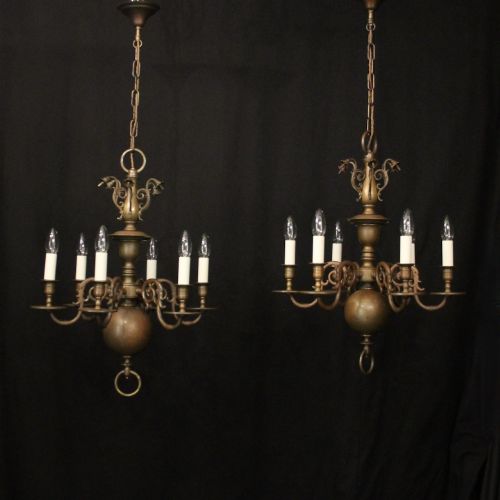
When searching for pair brass light fittings, buyers encounter an array of illumination forms designed for dual placement, ranging from grand multi-light chandeliers to intimate wall sconces. These pieces originate from distinct periods, including the nineteenth century, Edwardian era, and the early decades of the twentieth century.
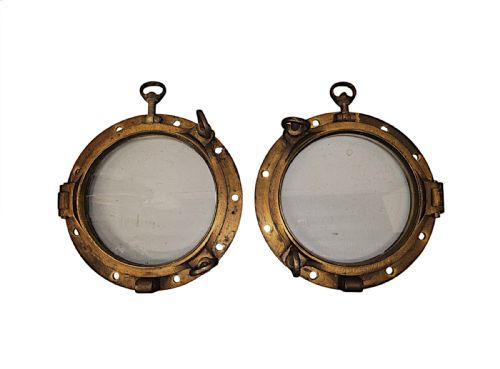
Buyers often select these matched pairs to achieve symmetrical lighting schemes in principal rooms, hallways, and dining spaces. The inventory includes specialised lighting fixtures such as port holes, architectural salvage, and columnar lamp bases.
Assessing quality in period lighting
The distinction between standard and superior pieces rests upon the crispness of the metal casting and the depth of the chasing work on bronze and brass surfaces. Master craftsmen achieved refined detail in foliate mounts and structural columns, whereas lesser examples show softer, generalized definition.
Material selection also dictates overall grade, with high-tier items featuring heavy-gauge metal frames integrated with high-clarity cut crystal or hand-blown glass shades rather than moulded synthetic alternatives.
Materials documented in these listings include brass, bronze, gilded bronze, cut crystal, and mercury mirrored glass.
The Pair Brass Light Fittings Glossary
- Ormolu
- A method of applying finely ground, high-carat gold to a bronze base using mercury amalgamation. This technique produces a rich golden finish seen on French decorative pieces from the eighteenth and nineteenth centuries.
- Sconce
- A wall-mounted lighting fixture designed to hold candles or electric bulbs. These fixtures project outward to illuminate hallways and drawing rooms.
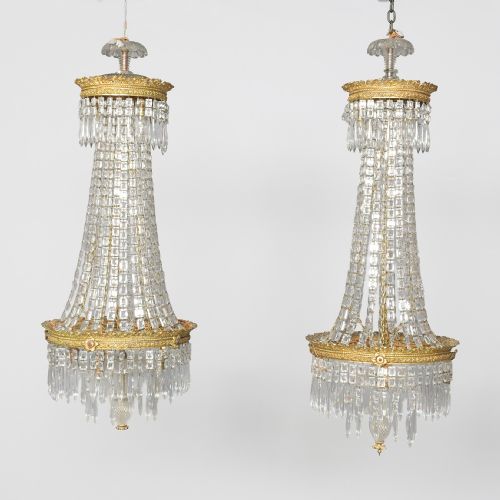
- Chandelier
- A branched, suspended light fitting designed to hold multiple illumination points. These fixtures often incorporate crystal drops and glass prisms to disperse light.
- Port hole
- A heavy metal frame housing thick glass, originating from maritime architecture and adapted as robust interior lighting.
- Tent and waterfall
- A specific chandelier configuration featuring an upper tent-like web of beads cascading down into a wider bowl or tier of crystal drops.
Pair Brass Light Fittings: Frequently Asked Questions
How do I date antique brass light fittings?
Dating relies on examining the casting methods, screw threads, and wiring channels integrated into the metal body. Earlier nineteenth-century examples often display hand-cut threads and heavy sand-cast components.
Twentieth-century pieces introduce standardised electrical fittings and machine-pressed components alongside lingering Edwardian design motifs.
Are these light fittings wired for modern electricity?
Many period fixtures arrive adapted for contemporary electrical standards while retaining their original patinated brass and bronze frames. Conversion quality varies depending on whether the internal wiring has been recently renewed by a professional.
Buyers should inspect the interior channels to confirm compatibility with current household installation requirements.
How do I clean antique brass and crystal?
Maintenance requires gentle dusting with a soft brush and avoiding harsh chemical polishes that strip historical patination from brass and bronze surfaces. Preserving the dark or bright finish protects the underlying metal structure.
Crystal drops and glass shades can be washed in warm soapy water and dried thoroughly before reattachment.
What is the difference between gilt brass and ormolu?
Gilt brass involves applying a gold-colored wash or leaf directly onto a brass substrate. This treatment was common in mass-produced twentieth-century lighting fixtures.
Ormolu specifically denotes mercury-gilded bronze reserved for high-status French decorative objects and elite classical chandeliers.