




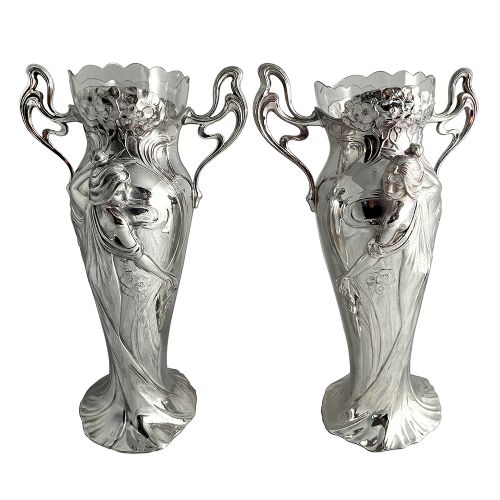


Pair Art Nouveau Tables
Pair art nouveau tables bring organic line and period character to a room, uniting functional surface use with decorative flair from the early twentieth century.
Pair Art Nouveau Tables
When you search for pair art nouveau tables, you encounter matching sets of small domestic furniture originating primarily from the Edwardian era and the early twentieth century. The selection encompasses forms designed for bedside use, occasional placement, coffee service, and plant display.
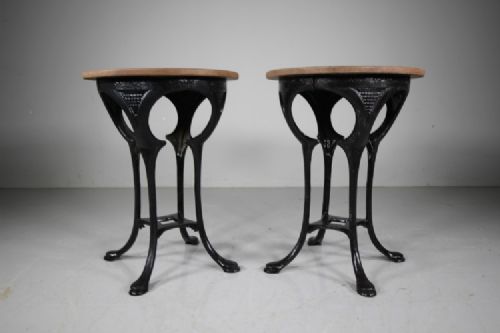
The prevailing examples span diverse international interpretations of the aesthetic, including continental Jugendstil, the Amsterdam School style, and domestic British output. Buyers meet these pieces in materials ranging from rich hardwoods like mahogany and coromandel to cast iron and brass combined with marble.
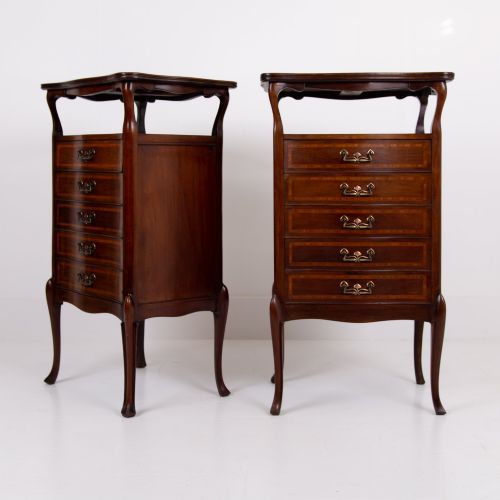
Alongside traditional occasional tables, the broader category includes bedside cabinets with drawers and plant stands that share the signature flowing lines of the movement. These matching items offer dual surface space while maintaining a unified decorative presence in a scheme.
How they were made
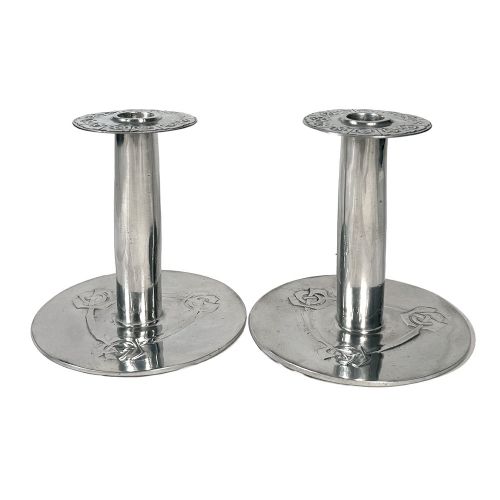
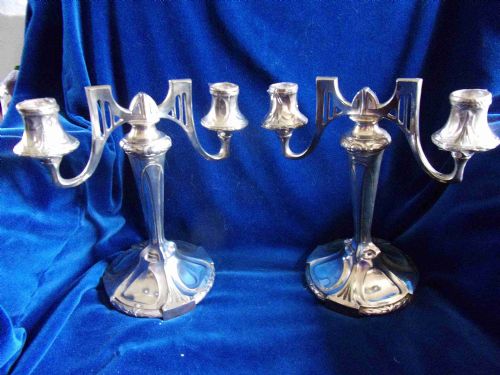
Cabinetmakers utilised select timbers such as mahogany, satinwood, and coromandel for wooden furniture frames, shaping them with curved profiles characteristic of the style. Metal components involving cast iron, brass, and silvered pewter were cast or beaten to create structural supports and decorative mounts.
In examples incorporating stone or glass, marble tops were cut and polished to fit table frames, while mixed metal applications and applied pewter detailing completed the decorative surfaces.
Pair Art Nouveau Tables Retail Price Guide 2026
Typical asking prices for pair art nouveau tables among the pieces listed under this phrase on Sellingantiques today, from the lower quarter to the upper quarter. They describe what is for sale here now, not the wider market.
Listings feature items from the Edwardian period and nineteen hundred, incorporating mahogany, brass, marble, and cast iron.
What varies in quality
The standard of materials dictates the initial tier of quality, distinguishing solid hardwoods and substantial cast metals from lighter plated alternatives. Finer items demonstrate superior joinery in the cabinetry and crispness in the metal casting.
Design execution separates standard production from exceptional work, seen in the fluidity of the carved woodwork and the integration of secondary materials like marble and glass.
Liberty and Co·WMF
The Pair Art Nouveau Tables Glossary
- Amsterdam School
- An architectural and design movement originating in the Netherlands during the early twentieth century. It is characterised by rounded brickwork, expressive forms, and traditional craftsmanship.
- Coromandel
- A dense, heavily figured tropical hardwood native to India and Southeast Asia. Cabinetmakers utilised its dark grain and contrasting pale streaks for high-end decorative furniture.
- Satinwood
- A light-coloured timber with a lustrous sheen used for inlay and fine cabinetmaking. It provides a bright contrast to darker woods in Edwardian decorative pieces.
Pair Art Nouveau Tables: Frequently Asked Questions
What periods do these tables date from?
The pieces span the Edwardian era and the early twentieth century, primarily concentrating around nineteen hundred to nineteen ten. This timeframe captures the peak years of the international movement.
Craftsmen working across Britain and continental Europe produced these items during a period of rapid stylistic change. The dates reflect the prevailing aesthetic of the period rather than a single production year.
How do I identify the wood types?
Mahogany offers a reddish-brown tone with a straight grain, whereas coromandel displays a darker palette with distinct contrasting stripes. Satinwood provides a much paler, golden appearance with a natural sheen.
Examining the grain under good light reveals the natural characteristics of each timber. Cabinetmakers selected these woods specifically for their visual impact and durability.
Can I use these tables daily?
These small surfaces suit regular placement for lamps, small objects, or bedside use. Their construction in solid wood or metal provides adequate stability for everyday domestic items.
Placing coasters on wooden surfaces protects the polish from moisture and heat. Gentle handling preserves the original finish and structural integrity over time.
What styles accompany art nouveau?
The movement overlaps with Arts and Crafts ideals, Jugendstil continental output, and the Amsterdam School aesthetic. These related movements share an emphasis on natural forms and fine craftsmanship.
Designers frequently borrowed elements from Japanese art during this era, incorporating mixed metals and simplified organic lines. This cross-cultural exchange shaped the varied appearances of the tables.