


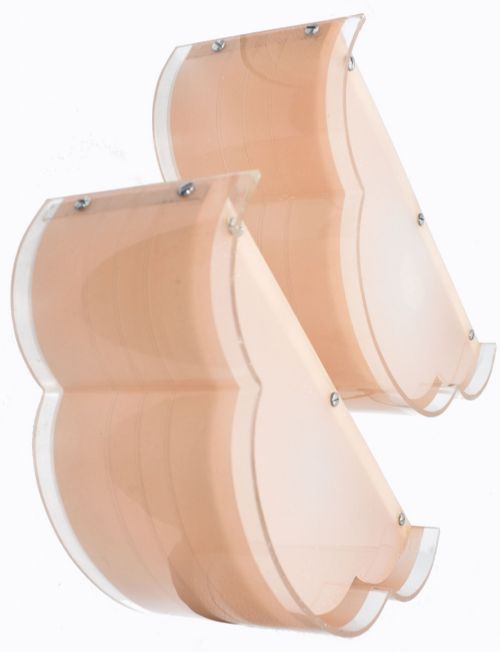


Pair Art Deco Wall Sconces
Pair art deco wall sconces deliver streamlined symmetry and period illumination, bringing geometric elegance straight to hallway and living room walls.
Pair Art Deco Wall Sconces
These matched pairs of light fittings embody the aesthetic of the interwar years, appearing in designs such as cloud shapes, flame forms, and skyscraper profiles. Most examples date from nineteen thirty or draw on French and British modernist traditions.
Buyers encounter configurations built for twin branches, trumpet silhouettes, and crescent glass panels meant for mounting directly to a vertical surface. The selection spans indoor rooms and exterior settings, incorporating specialised materials suited to domestic architecture.
The dominant material combinations pair polished metal frames with moulded or frosted glass shades. Many surviving sets originate from French workshops or domestic makers active during the nineteen thirties.
How they were made
Manufacturers utilised chrome plating, brass, bronze, and metal to construct rigid backplates and arms designed to support heavy glass components. Bakelite and catalin appear frequently as structural or decorative elements in switches and fittings.
Glass production relied on moulding, frosting, and opaline techniques to diffuse light evenly across geometric surfaces. Green enamel and coloured glass additives provided vibrant contrast to the metallic frames.
Assembly methods joined cast metal branches to pressed glass shades using threaded screws and galleries. French makers often integrated sculpted figures or specialised pressed panels into the structural housing.
Listings feature nineteen thirty as the primary production period alongside Edwardian and nineteen forty examples.
What varies in quality
The distinction between standard production and superior execution rests on the weight of the metalwork and the clarity of the moulded glass. Thicker chrome plating and heavy bronze castings indicate higher grade manufacturing standards.
Makers who invested in detailed mould work produced glass shades with crisp geometric reliefs and substantial thickness. Simpler pressed glass components represent more utilitarian output from the period.
Matched sets that retain their original unpolished patinas and complete hardware demonstrate superior survival compared to mixed or heavily altered examples.
Arthur Wood·Baccarat
The Pair Art Deco Wall Sconces Glossary
- Chrome
- A hard, corrosion-resistant metallic coating applied to steel or brass frames to produce a bright, reflective surface finish typical of twentieth-century manufacturing.
- Bakelite
- An early thermosetting plastic utilised for electrical components, switch housings, and decorative trim details on period lighting fixtures.
- Opaline Glass
- A milky, semi-translucent white glass designed to soften bulb glare while maintaining an even, luminous glow across the fixture surface.
- Skyscraper
- A stepped vertical architectural style that influenced lighting design during the interwar decades through tiered silhouette forms.
- Sconce
- A wall-mounted light fixture designed to project illumination outward into a room while securing directly to vertical panelling or plaster.
Pair Art Deco Wall Sconces: Frequently Asked Questions
How do I wire period wall lights?
Rewiring requires modern electrical flex routed through the original metal channels to meet current safety standards. A qualified electrician should handle the internal connections.
Original lamp holders often need replacement with modern equivalents while preserving the external period casing and mounting brackets.
Where should I mount these sconces?
These fixtures suit hallways, flanking living room fireplaces, or framing mirrors in dining spaces. Their symmetrical design works best when hung at eye level.
Exterior versions require sheltered outdoor placement to protect vintage metal and glass components from harsh weather conditions.
How do I clean frosted glass shades?
Wash the glass elements gently in warm soapy water using a soft cloth to remove dust and grease accumulation. Avoid harsh chemical cleaners that damage vintage finishes.
Dry the components thoroughly before reattaching them to the chrome or brass mounting frames.
How can I date nineteen thirties lighting?
Dating relies on material combinations such as chrome paired with catalin bakelite, alongside distinct geometric motifs like stepped skyscraper profiles. French pieces often feature foundry marks or specific glass signatures.
Construction techniques like heavy cast bronze frames and moulded cloud-shaped shades point directly to the interwar period.