


Pair French Sculptures
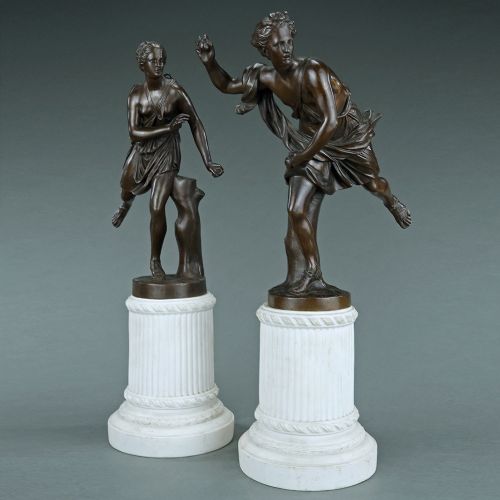
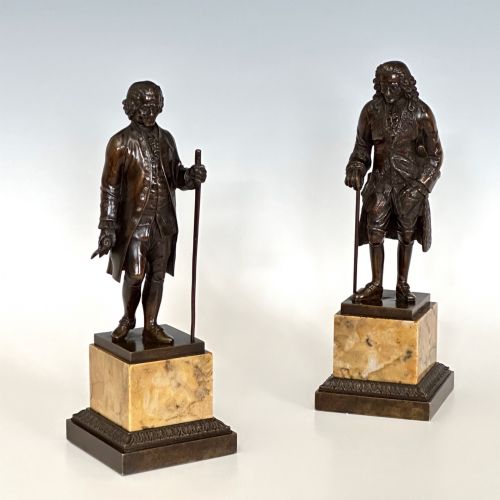
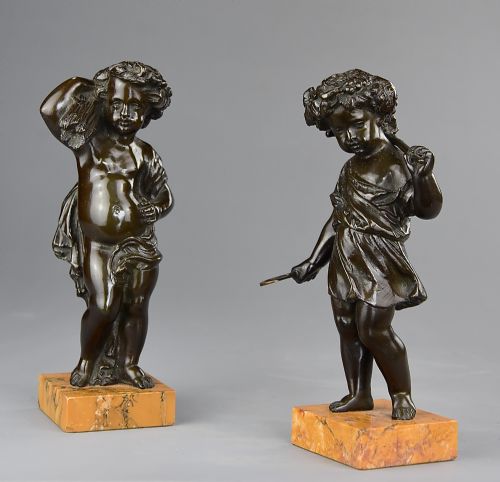
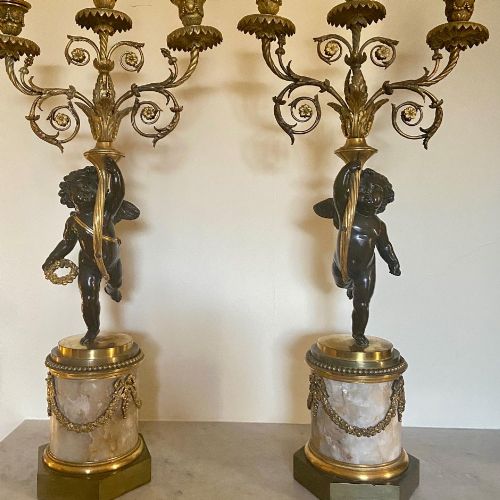
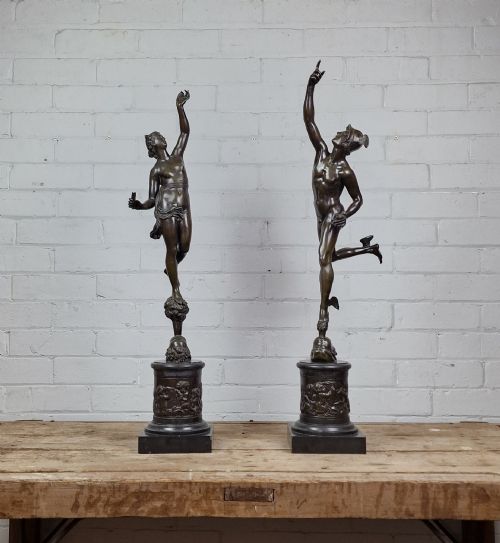
Pair antique french sculptures bring classical grace and decorative symmetry into a room through matched figurative works cast or carved in centuries past.
Pair French Sculptures
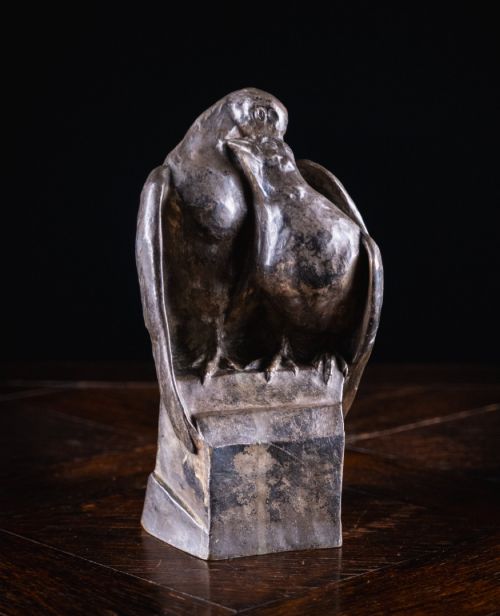
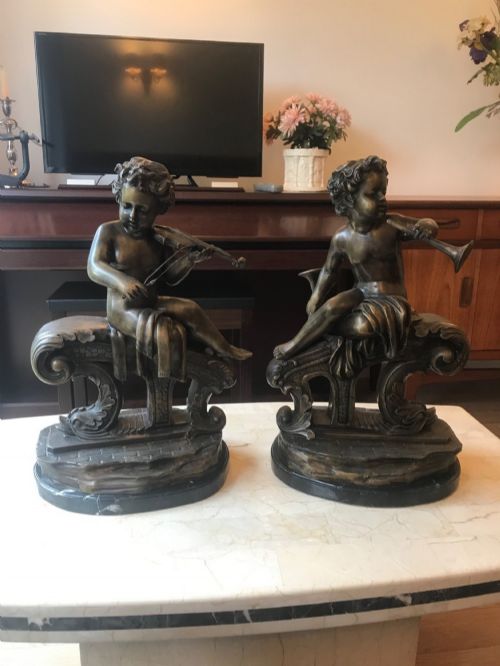
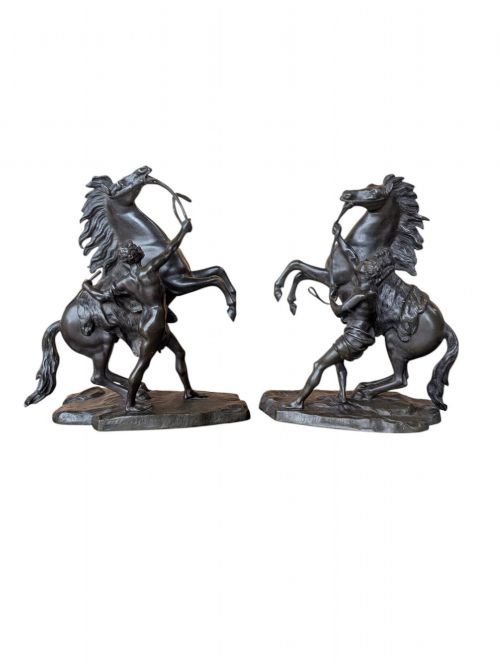
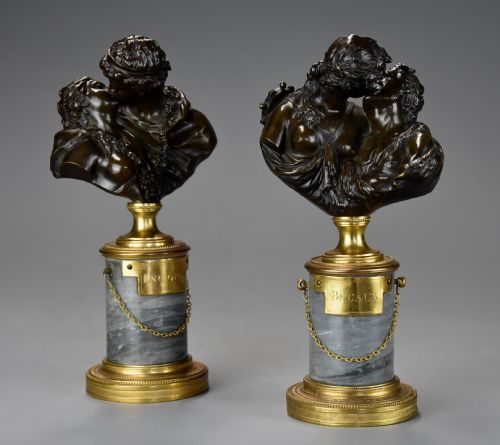
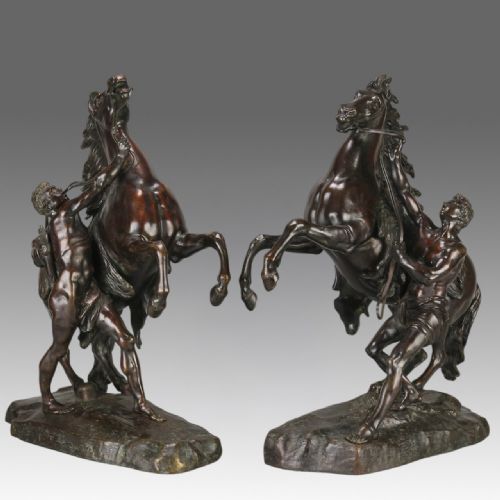
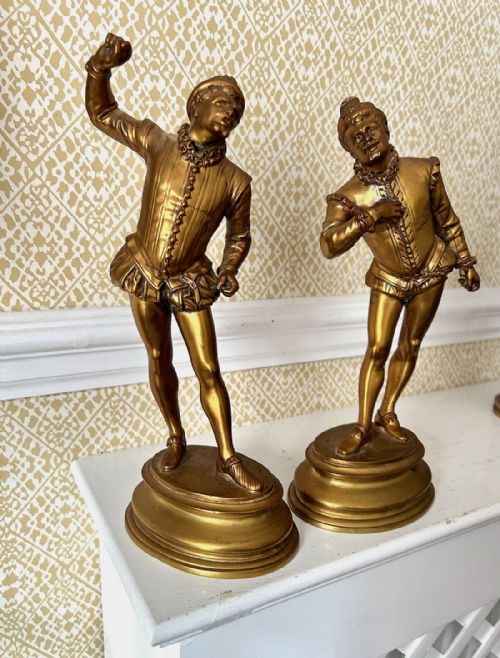
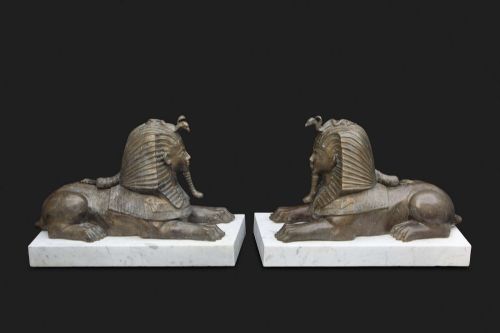
Pair antique french sculptures encompass matched figures, animals, and architectural ornaments originating from workshops across France during the eighteenth, nineteenth, and early twentieth centuries. When searching for pair antique french sculptures, buyers encounter mythological subjects, allegorical putti, animal studies, and neoclassical heroes cast in metal or carved from stone.
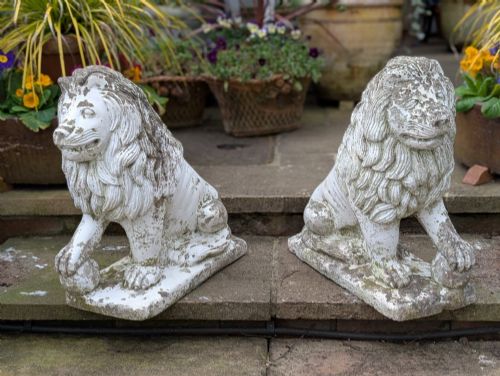
The most common examples on this page date from the nineteenth century, reflecting periods such as the Victorian era, the Restauration, and the Belle Epoque. These pieces range from monumental bronze lions and Marly horses to diminutive gilt-bronze figures and terracotta busts designed for mantelpieces and pedestals.
Makers and sculptors whose works appear include renowned names like Barbedienne, P. J. Mene, and Emile-Coriolan Guillemin, alongside skilled anonymous founders. Many works reference earlier classical or Renaissance models by masters such as Giambologna, Houdon, and Coustou, reinterpreted through nineteenth-century French foundry techniques.
Materials and casting methods
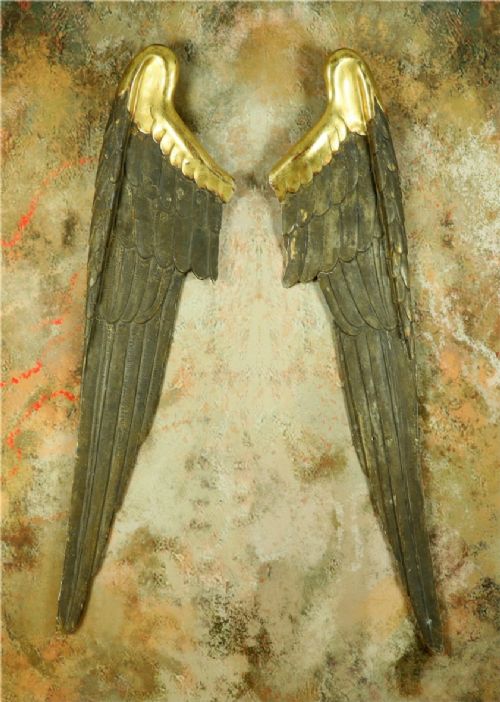
Foundries utilised bronze as the primary medium for durable figurative work, often applying chemical patination or mercury gilding, known as ormolu, to enhance surface detail and depth. Spelter and cast iron served as alternative metals for decorative figures, while marble, alabaster, onyx, and wood provided substantial plinths and architectural supports.
Casting methods relied on traditional lost-wax techniques or sand casting, which allowed founders to capture intricate facial expressions, drapery folds, and muscular definition. Skilled chasers then hand-finished the metal surfaces with chisels and files before mounting the sculptures onto fitted marble or slate bases.
Period attributions span the eighteenth, nineteenth, and early twentieth centuries, encompassing Victorian, Art Nouveau, and Art Deco styles.
Determinants of quality
Quality rests primarily on the crispness of the cast and the sensitivity of the hand-finishing, where superior examples exhibit sharp anatomical details and clean undercuts without surface pitting. The richness and stability of the original patina or the evenness of the gilt surface also separate standard commercial castings from exceptional foundry productions.
The integration between the sculpture and its base indicates overall standard, with finer pieces featuring custom-fitted marble plinths and secure mechanical attachments rather than superficial assembly. Signed works by documented founders or recognised sculptors command greater attention for their documented provenance and artistic execution.
Barbedienne·P. J. Mene·Emile-Coriolan Guillemin·Louis Riche·Charles Anfrie·Alfred Grevin
The Pair French Sculptures Glossary
- Patinated bronze
- Bronze treated with chemical solutions to produce a coloured surface layer, ranging from deep brown to verdigris green. This finish protects the metal and defines sculptural contours.
- Ormolu
- Gilt bronze created by applying a mercury and gold amalgam to the metal surface before heating to evaporate the mercury. The technique yields a rich, durable golden sheen.
- Spelter
- A zinc alloy commonly utilised as a cheaper alternative to bronze for nineteenth-century decorative figures. It is softer and lighter than bronze, typically finished with a metallic paint layer.
- Lost-wax casting
- A traditional method where a wax model is encased in clay, melted out, and replaced with molten metal. This process permits the creation of highly complex and detailed sculptures.
- Grand Tour
- Cultural travel undertaken by wealthy Europeans during the eighteenth and nineteenth centuries to collect classical antiquities and smaller bronze replicas of famous statues.
Pair French Sculptures: Frequently Asked Questions
How were these sculptures displayed originally?
Matched figures were designed to flank architectural focal points, sitting atop mantelpieces, sideboards, or dedicated marble columns and pedestals to create visual balance.
Their symmetrical placement reflected formal interior design principles prevalent in French domestic and public spaces during the nineteenth century.
What is the difference between bronze and spelter?
Bronze is a robust copper alloy that accepts fine detail and holds rich patinas over centuries of handling. Spelter is a softer zinc-based metal that was cast to produce more affordable decorative pieces.
Objects cast in spelter feel lighter and often show painted surface finishes rather than chemically induced patination.
How do I care for antique bronze figures?
Maintenance requires only gentle dusting with a soft, dry cloth to prevent the accumulation of airborne particles on the surface. Avoid using chemical polishes or abrasive cleaners, which can strip away original patination and damage the metal.
Keeping the sculptures in stable environmental conditions away from excessive moisture preserves both the metal and any fitted stone bases.
Why are many nineteenth century figures based on older works?
Nineteenth century French founders frequently reproduced famous classical, Renaissance, and Baroque statues to satisfy a strong market demand for historical art. These reinterpretations allowed collectors to acquire manageable versions of monumental museum pieces for private display.