
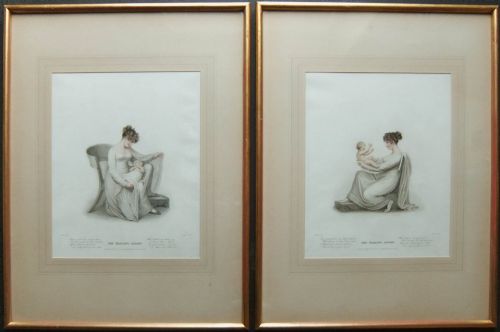
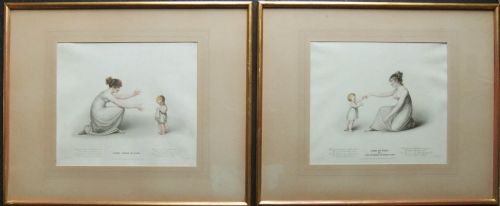
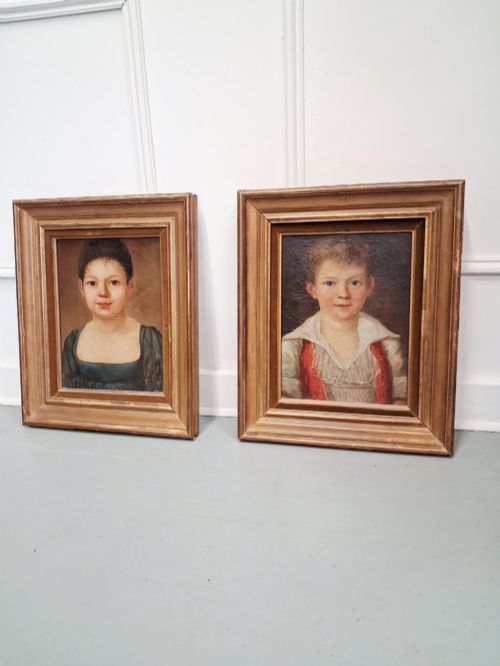
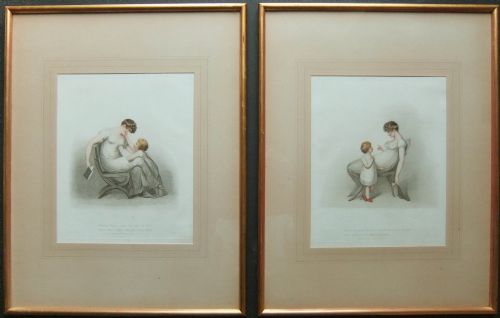

Pair 19th Century Portraits
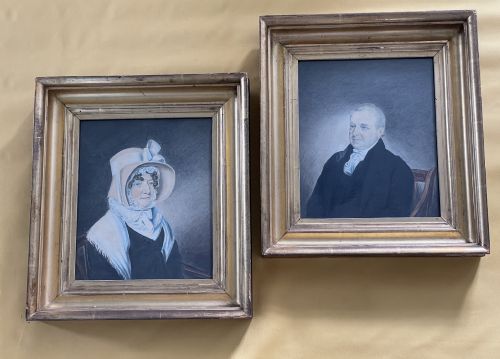
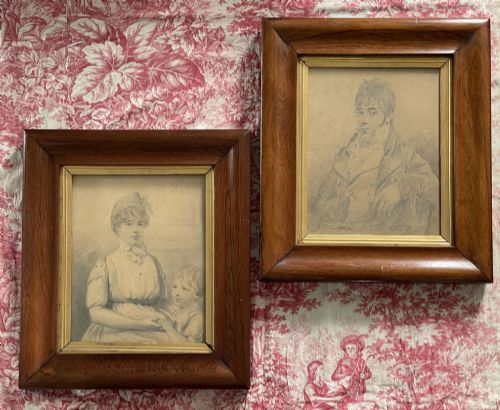
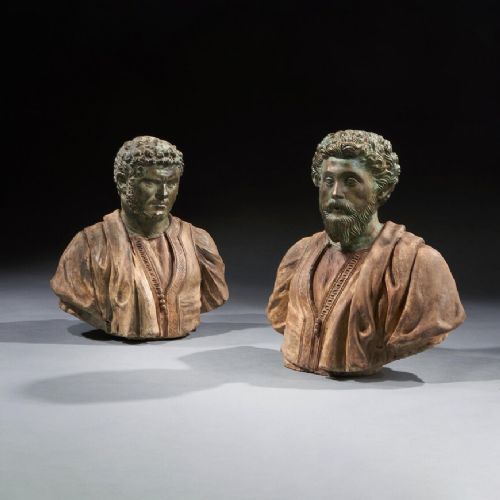
Pair 19th century portraits offer matching visual balance and historical character, bringing dual perspectives of past lives into domestic spaces.
Pair 19th Century Portraits
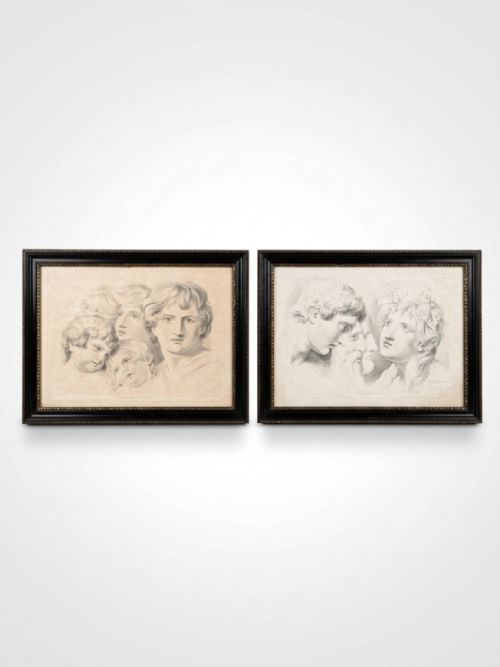
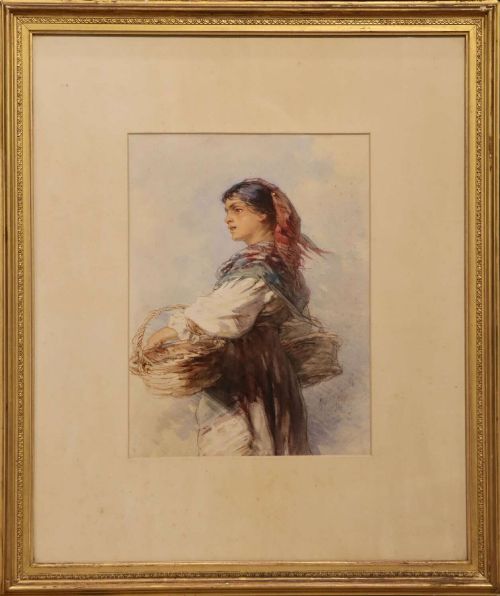
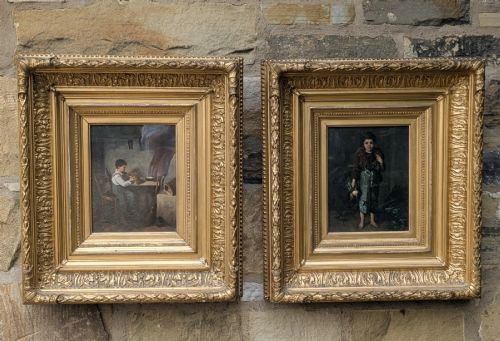
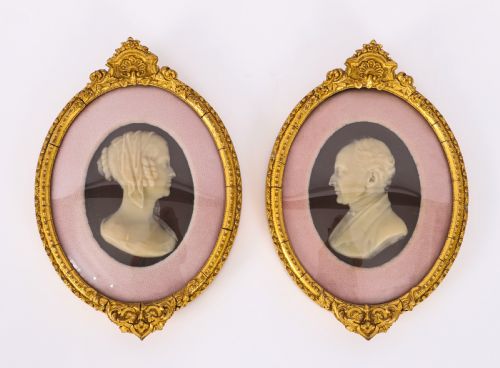
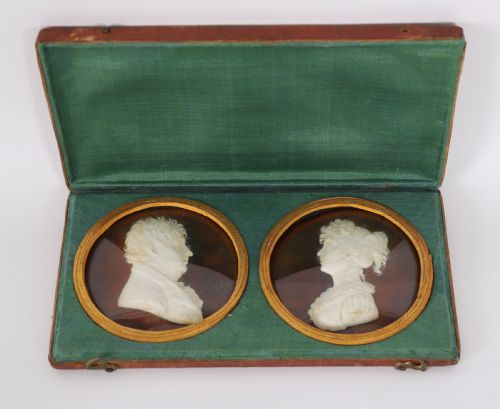
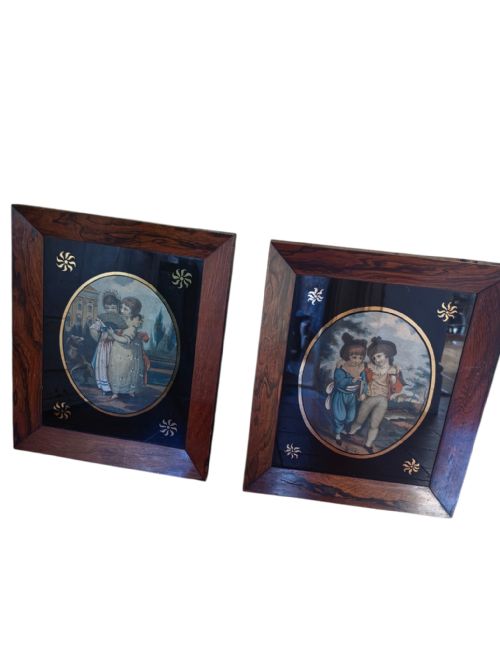
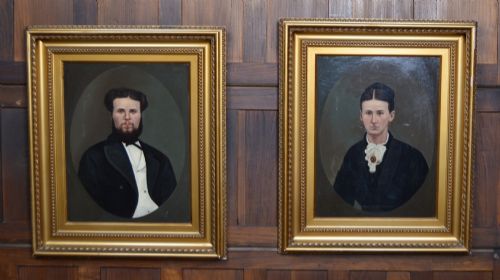
When searching for pair 19th century portraits, collectors encounter dual representations executed in oil on canvas, watercolour, pastel, and pencil, alongside silhouettes and miniatures. These companion pieces frequently depict husbands and wives, historical figures, children, or matching character studies designed to hang together in balanced symmetry.
The selections available range from grand oil paintings in original giltwood frames to delicate pith paper paintings, silkwork embroideries, and sculptural wax or plaster reliefs. Most examples date across the Victorian, Regency, and Georgian eras, reflecting the period preference for symmetrical wall decoration and companion portraiture.
How They Were Made
Makers utilised traditional mediums such as oil on canvas, fine watercolour, pastel, and gouache, often mounted on paper or prepared panels. Canvas works required careful stretching and priming, while works on paper relied on high-grade rag paper or pith.
Framing forms an integral part of the construction, employing giltwood, rosewood, birdseye maple, or ormolu to house the artwork. Delicate miniatures and reliefs incorporated specialised materials like ivory, piano keys, wax, and copper plaques.
Listings feature mediums spanning oil on canvas, watercolour, pastel, ceramic, glass, silk, and carved marble.
What Varies in Quality
The standard of execution in pair 19th century portraits rests heavily on the anatomical precision of the subjects, the expressive depth captured in the faces, and the handling of light and shadow by the artist. Masterful brushwork or fine pencil detail elevates a piece significantly above mechanical likenesses.
Originality of framing and preservation of the surface medium determine desirability. Pieces retaining their contemporary giltwood, rosewood, or birdseye maple frames without extensive overpainting command greater appreciation among collectors.
Guido Bach·Adam Buck·Theodore Jensen·Ferruccio Vitale·Gustav Grohe·Hermann Armin Kern·George Hargreaves·Thomas Woolnoth
The Pair 19th Century Portraits Glossary
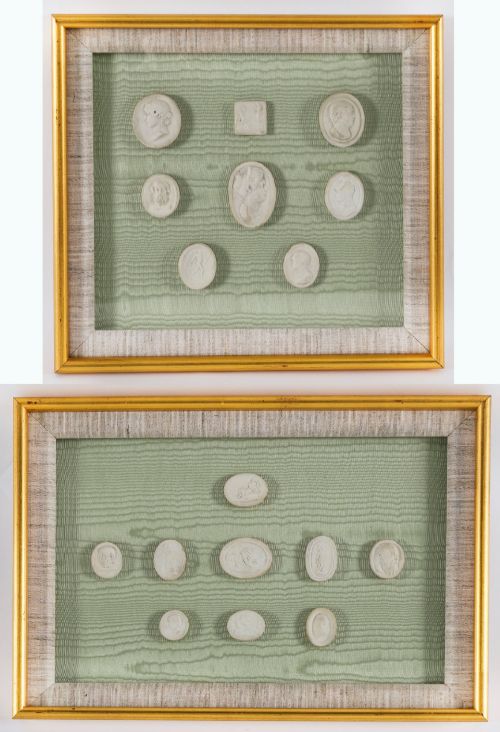
- Intaglio
- An engraved gem, plaque, or stone where the design is incised below the surface. Grand Tour intaglios in plaster were popular souvenirs for nineteenth-century travellers.
- Pith paper
- A delicate, spongy material made from the pith of the Tetrapanax papyrifer plant, used in nineteenth-century Chinese export paintings. It requires careful handling due to its fragile nature.
- Silhouette
- A portrait profile filled in with a solid dark colour, typically black, cut from paper or painted. Victorian examples often appeared in birdseye maple or rosewood frames.
- Giltwood
- Wood that has been treated with a thin layer of gold leaf or gold paint. Nineteenth-century frames often utilised this technique to create ornate, reflective borders.
- Pastel
- A dry drawing medium made of powdered pigment and a binder, producing a soft, velvety texture. Pastel portraits required glass protection to prevent smudging.
Pair 19th Century Portraits: Frequently Asked Questions
How were pair portraits displayed?
These works hung symmetrically in domestic rooms, often flanking a fireplace, doorway, or central mirror to maintain visual balance.
Matching frames and similar dimensions ensured the two subjects maintained a cohesive dialogue across the wall space.
Why were companion portraits created?
Companion pieces commemorated marriages, family lineages, or paired historical figures to tell a balanced story.
Commissioning two artworks at once ensured uniform scale, artistic style, and framing for husbands, wives, or literary subjects.
How do I identify a Regency portrait?
Regency examples display the distinct linear precision, neoclassical attire, and softer pastel or watercolour palettes characteristic of the early decades. Clothing styles, hairstyles, and framing choices offer immediate clues to this specific era.
Subjects often wear simplified, classical-inspired dress compared to the heavier drapery of later Victorian commissions.
What is a Grand Tour plaque?
These relief plaques featured classical profiles, mythological scenes, or historical Caesars modelled in plaster, marble, or wax. Wealthy travellers collected them as educational keepsakes while touring European cultural centres.
They were subsequently framed in pairs to demonstrate the owner's refined classical education.