






Painted Wooden Tray
These painted wooden tray pieces bring surface pattern and utility together, offering useful household items with rich decorative character.
Painted Wooden Tray
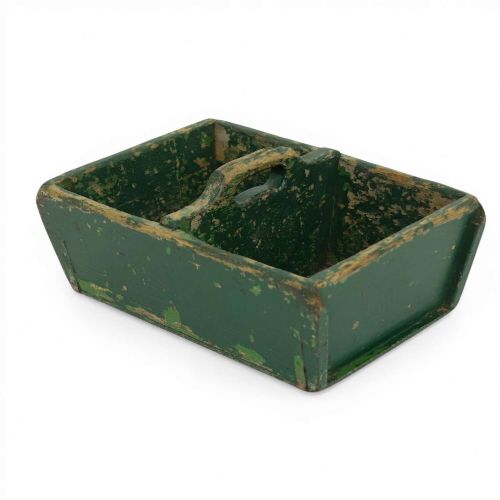
A painted wooden tray brings together practical utility and decorative surface pattern across various historical periods. When you search for a painted wooden tray, you encounter domestic items ranging from functional caddies and trugs to decorative table tops.
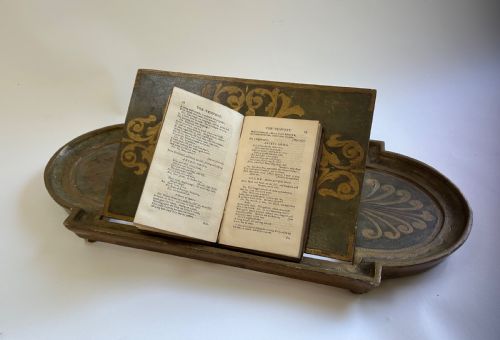
The pieces on this page span the nineteenth century up to the nineteen-thirties, reflecting diverse regional aesthetics. Scandinavian country and Welsh vernacular pieces sit alongside Venetian and Florentine decorative items.
Forms include folding tables, tray top coffee tables, and traditional knife trays. Pine and other timbers form the structural base for detailed polychrome and regional painted finishes.
Materials and construction methods
Construction relies primarily on pine and sturdy timber substrates shaped into boxes, tables, and carrying surfaces. Craftsmen utilised carved wood alongside simpler joined boards to build resilient domestic objects.
Surface decoration employs paint, gesso, and gilding to build up colourful and textured designs. Techniques range from rustic regional ragwork to refined Venetian polychrome and parcel-gilt application.
Painted Wooden Tray Retail Price Guide 2026
Typical asking prices for painted wooden tray among the pieces listed under this phrase on Sellingantiques today, from the lower quarter to the upper quarter. They describe what is for sale here now, not the wider market.
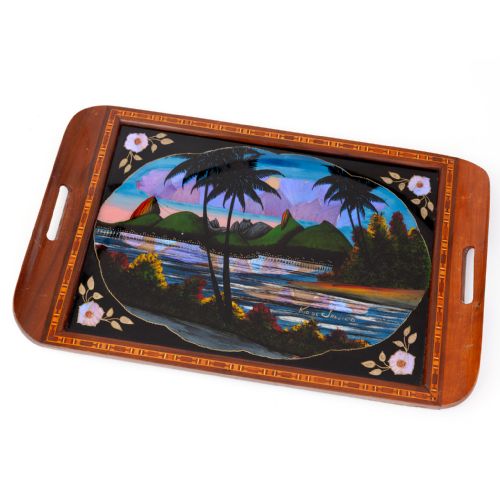
A Brazilian butterfly tray preserves tropical insects beneath glass alongside a scenic view of Rio de Janeiro.
Assessing quality in painted surfaces
Quality rests in the harmony between the wooden structure and the preservation of the painted surface. Finer examples show deliberate brushwork and cohesive decorative schemes that complement the underlying timber.
Regional execution dictates much of the character, distinguishing rustic vernacular pieces from elaborate Italian revival or Chinoiserie items. The integrity of the gesso and pigment layers determines the visual impact of each piece.
The Painted Wooden Tray Glossary
- Polychrome
- Decorated in multiple colours. This term describes surfaces featuring varied pigment applications.
- Gesso
- A plaster mix applied to wood as a base for paint or gilding. It creates a smooth ground for detailed ornamentation.
- Parcel-gilt
- Partially gilded with gold leaf or powder. This technique highlights specific carved details on a painted object.
- Ragwork
- A decorative painting technique using rags to apply colour. It creates textured, mottled patterns common in folk pieces.
- Trug
- A shallow wooden basket or tray traditionally used for gathering. These sturdy items served practical working roles.
Painted Wooden Tray: Frequently Asked Questions
What is a painted wooden tray table?
A painted wooden tray table combines a removable or fixed tray top with a supporting base or folding stand. These items function as adaptable occasional tables in living spaces.
Many examples pair nineteenth-century rustic pine structures with decorative painted surfaces. They offer both surface area and distinct visual character.
How do I care for antique painted wood?
Protect antique painted surfaces from direct sunlight and excessive moisture fluctuations. Dust gently with a dry, soft cloth rather than chemical cleaners.
Avoid placing damp items directly onto delicate polychrome or gilded areas. Proper environmental control preserves the original pigment.
Are these trays meant for serving food?
Most antique pieces function best as decorative display items or accessory storage. The historic paint and gesso finishes often prove sensitive to moisture and heavy use.
Using protective liners helps prevent wear if you utilise them for serving. Many collectors prefer to display them on tables or walls.
How do I identify regional painted styles?
Regional styles appear through distinct colour palettes and application techniques. Scandinavian and Welsh pieces often display robust rustic pine and simple folk patterns.
Venetian and Florentine items showcase refined gilding and ornate polychrome scenes. Comparing the wood choice and pigment style reveals the likely origin.