






Painted Wooden Plaque
A painted wooden plaque brings colour and texture to a wall, offering everything from rustic folk art to formal heraldry.
Painted Wooden Plaque
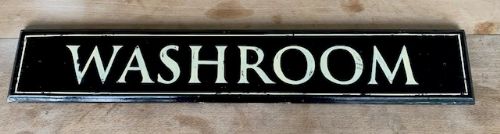
A painted wooden plaque spans centuries of domestic and public decoration, taking the form of wall art, carved panels, and architectural salvage. When exploring this selection, a buyer encounters everything from naive folk art depictions of animals to formal heraldic coats of arms and religious icons.
The objects derive from diverse origins, including English fairgrounds, French chateaux, Dutch workshops, and Chinese trading routes. Many pieces serve specific historical functions, originating as trade signs, transport fragments from carts and ships, or decorative architectural elements.
Nineteenth-century items appear most frequently on this page, alongside significant eighteenth-century panels and early twentieth-century signs. These range from modest carved timber reliefs to large display pieces and framed religious tavolette book covers.
Materials and construction
Makers utilised timber bases such as pine, burr walnut, and general carved wood, often pairing the natural material with gesso layers to prepare surfaces for decoration. Metal components like brass mountings and silver overlays appear on specific items.
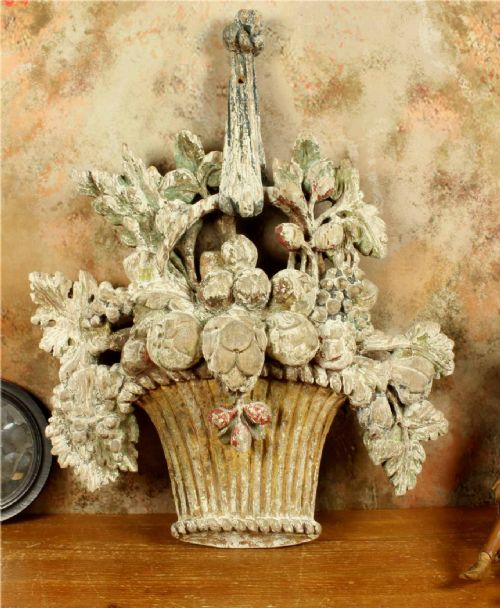
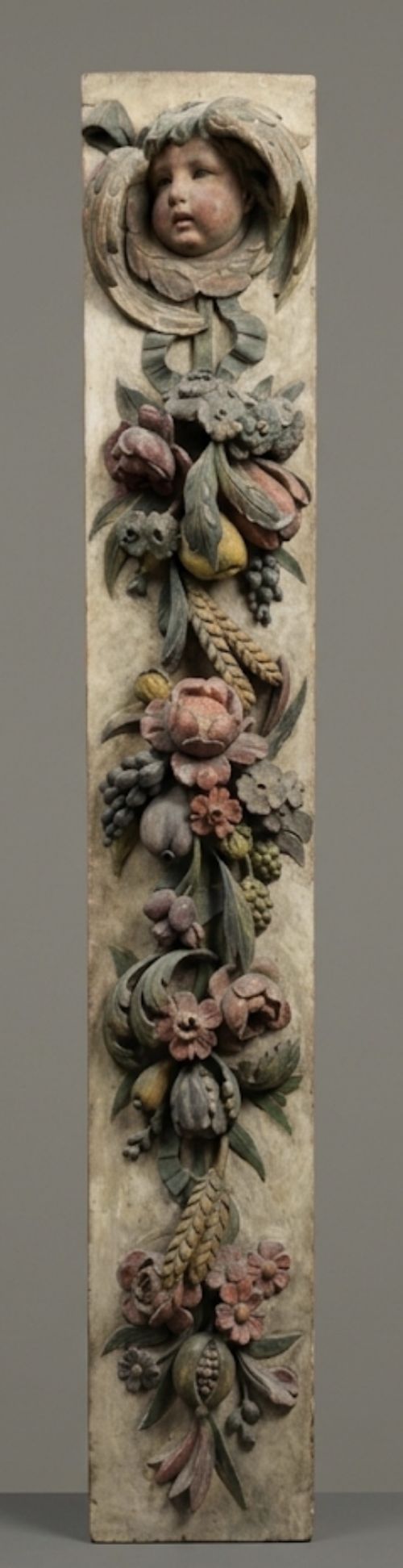
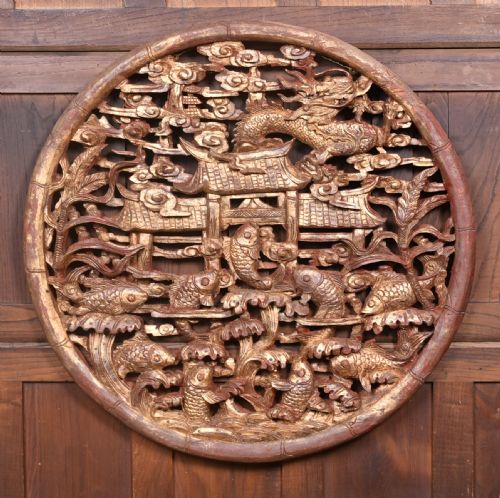
Surface decoration relies on paint, polychrome pigments, and tempera, sometimes combined with gilding. Carving techniques shape the timber into relief panels, half models of ships, and dimensional wall sculptures.
Painted Wooden Plaque Retail Price Guide 2026
Typical asking prices for painted wooden plaque among the pieces listed under this phrase on Sellingantiques today, from the lower quarter to the upper quarter. They describe what is for sale here now, not the wider market.
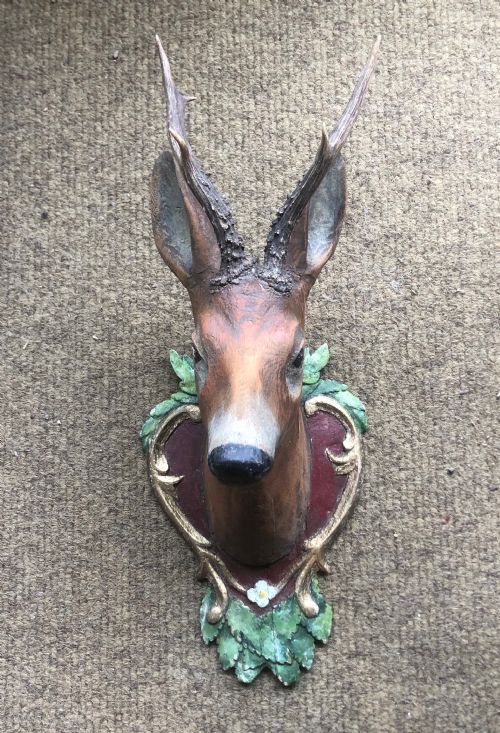
A painted wooden deer with antlers stands ready to leap straight off the wall and into the hallway.
Judging the work
Quality rests upon the skill of the carver and the execution of the painted surface, where confident brushwork elevates an object beyond a simple utility item. The integrity of the original pigments and the preservation of the carved detail determine the visual impact.
Context and provenance influence the standing of a piece, distinguishing standard decorative salvage from works associated with specific regional traditions or known artistic circles. The harmony between the wooden support and its painted finish defines the overall success of the artefact.
Icilio Federico Joni·Liverpool Ship Building Co·Volga Masters
The Painted Wooden Plaque Glossary
- Polychrome
- Decorated in multiple colours. This term describes painted wooden panels and carvings that retain their original vibrant hues.
- Gesso
- A plaster mixture used as a base for painting on wood. It provides a smooth surface for detailed artistic work.
- Icon
- A devotional painting on wood. These pieces often incorporate tempera alongside metal elements like silver and gilt.
- Heraldic panel
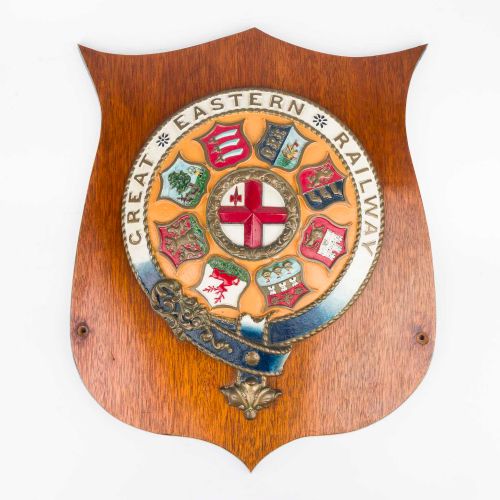
- A display featuring a coat of arms or crest. Such items frequently commemorate specific families, institutions, or railways.
- Half model
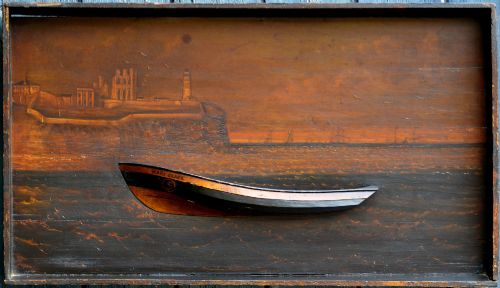
- A three-dimensional representation of the half of a ship's hull. Makers built these for architectural display or design study.
Painted Wooden Plaque: Frequently Asked Questions
How do I hang a heavy wooden plaque?
Most substantial carved panels and signs require secure wall fixings distributed across the wooden frame or backing timber. Using appropriate masonry or stud wall anchors ensures the weight distributes evenly without damaging the antique structure.
For lighter items or fragile painted surfaces, professional framing or custom brackets provide safe support. Consult a specialist if the piece retains delicate gesso or historical paint layers that might react to pressure.
Where were these plaques displayed originally?
Many painted wooden items served practical functions in public spaces, adorning trade shops, fairground carousels, railway stations, and religious buildings. Others formed part of domestic interiors, functioning as over-door panels, library book holders, or decorative wall art.
Transportation fragments once decorated carts and ships, while religious icons held places of reverence in homes and chapels. Today, these objects transition easily into modern living spaces as focal points for interior design.
How do I clean a painted wooden surface?
Dust the surface gently with a soft, dry brush or microfiber cloth to remove loose debris. Avoid using water, chemical cleaners, or abrasive cloths, as these can strip historical paint, tempera, and delicate gilding.
If deeper cleaning is necessary, consult a professional conservator who understands historical wood finishes and pigment binding. Protecting the piece from direct sunlight and stable humidity prevents further flaking or fading.
How do I tell folk art from formal art?
Folk art pieces typically display a naive, charming perspective and direct use of colour, reflecting regional traditions rather than academic training. Examples include half models of ships and carved animal panels made by local craftspeople.
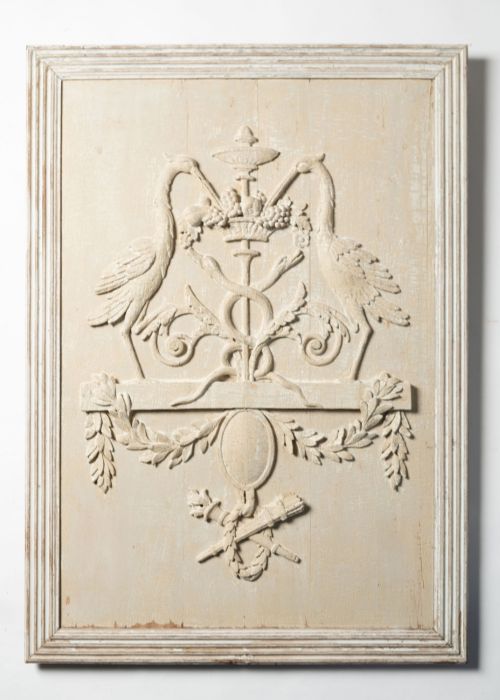
Formal pieces, such as neoclassical panels or works by documented makers, exhibit strict adherence to classical proportions, refined brushwork, and sophisticated gilding techniques. Both styles offer distinct historical insights depending on the intended audience of the original maker.