



Painted Wooden Dining Table
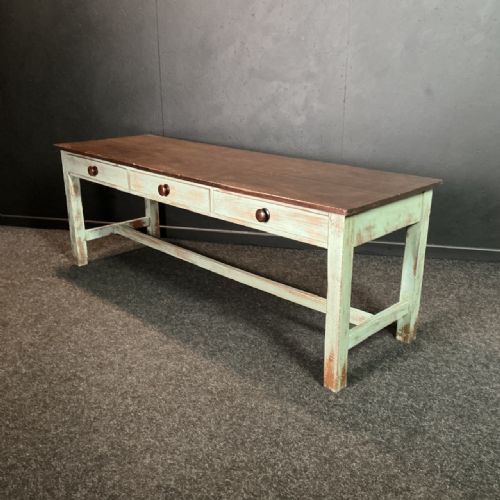
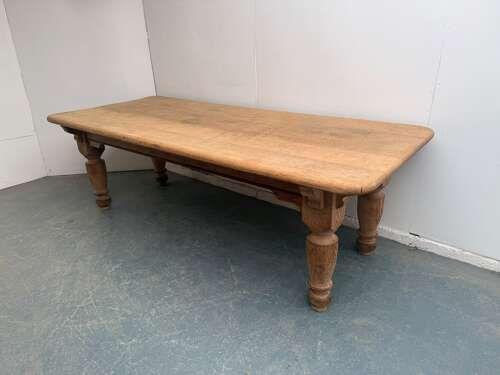
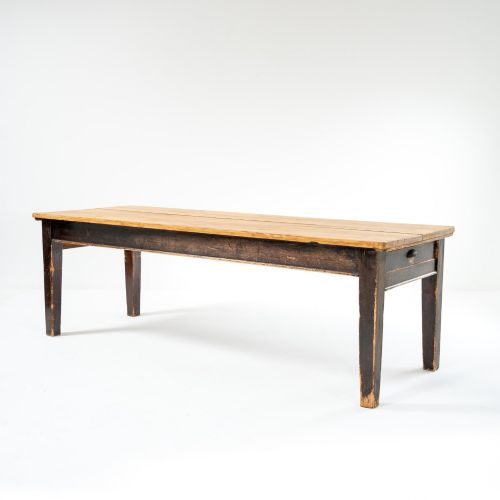
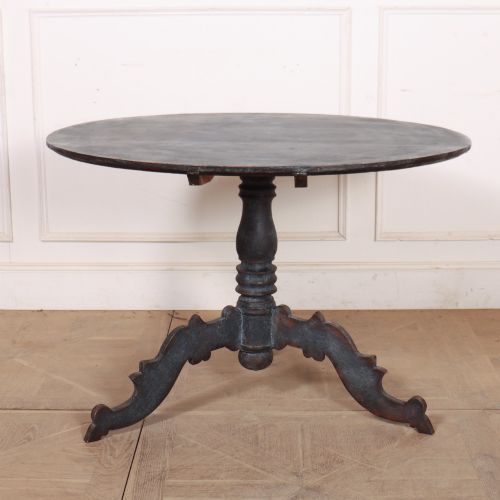
A painted wooden dining table brings immediate character to a room, offering surface space built from timber with painted finishes.
Painted Wooden Dining Table
When you search for a painted wooden dining table, you encounter practical furniture designed for domestic labour and communal meals. These pieces span the nineteenth century and the early twentieth century, originating from English, French, Italian, Welsh, and Swedish workshops.
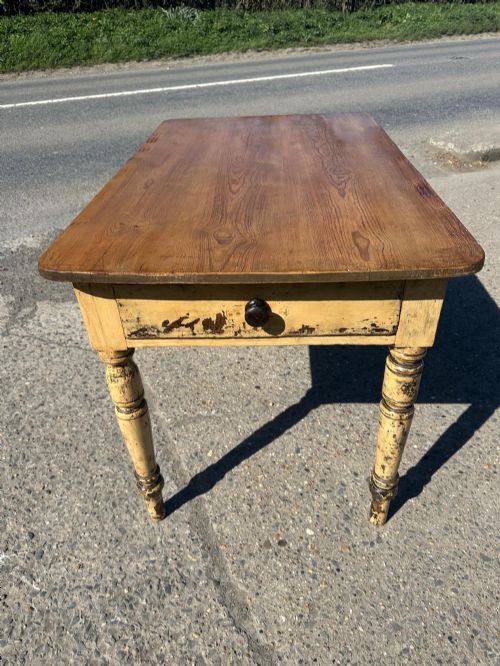
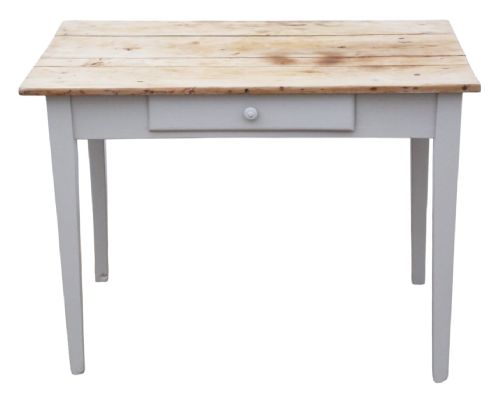
You are most likely to meet rectangular pine tables featuring painted bases or scrubbed tops. Forms range from compact drop leaf versions to large refectory and harvest tables seating many people.
Makers utilised sturdy timbers like oak, teak, and sycamore alongside pine. Regional variations include tavern tables with cross frames, trestle tables, and preparation tables designed for kitchens and dining spaces.
How they were made
Carpenters constructed these tables using solid timbers such as pine, oak, sycamore, and teak for the main bodies and tops. Planks were joined to form durable surfaces, sometimes utilising cleated ends or drop leaf mechanisms.
Surfaces received protective and decorative coatings including layers of old paint, Falu paint, and wax treatments. Iron and brass hardware added structural reinforcement and functional detailing to hinges and drawers.
Styles span rustic farmhouse, Gustavian, French country, and Victorian country designs.
What varies in quality
Quality rests upon the integrity of the timber and the preservation of original paint layers. Tables featuring multi-plank tops with tight joints and sound structural framing outlast those with excessive timber movement.
The distinction between standard utility items and finer examples lies in the balance of proportions and the honesty of surface wear. Original painted finishes that show genuine age without heavy modern intervention elevate the piece.
The Painted Wooden Dining Table Glossary
- Scrub-Top
- A wooden table top designed to be scrubbed clean with water and sand during food preparation. This process leaves the wood pale and smooth.
- Refectory Table
- A long, narrow dining table traditionally used in monasteries and large halls. These sturdy pieces accommodate many diners.
- Drop Leaf Table
- A table with hinged flaps on either side that can be folded down to save space. It offers flexible sizing for smaller rooms.
- Falu Paint
- A traditional Swedish paint colour derived from copper mine waste. It provides a durable, matte finish often seen on northern European furniture.
- Harvest Table
- A long dining table traditionally used during seasonal farm gatherings. These tables feature generous proportions for large groups.
Painted Wooden Dining Table: Frequently Asked Questions
How do I clean a painted wooden dining table?
Wipe surfaces gently with a slightly damp cloth to remove everyday dust and debris. Avoid harsh chemical cleaners that might strip historic paint layers.
Dry the wood thoroughly after cleaning to protect the timber and the painted finish from moisture damage.
Can I use these tables daily?
These tables were built for daily domestic labour, making them robust enough for regular family meals. Use placemats and coasters to protect scrubbed wooden tops from stubborn stains.
Allow the historic timber to adapt naturally to the central heating in modern homes by avoiding placement near direct heat sources.
How do I identify a nineteenth-century piece?
Examine the construction methods beneath the table, looking for hand-cut joints, traditional fixings, and timber shrinkage. Hand-sawn boards and pegged framing indicate older joinery techniques.
Layers of historic paint and natural wear patterns provide further evidence of age.