




Painted Wooden Animal
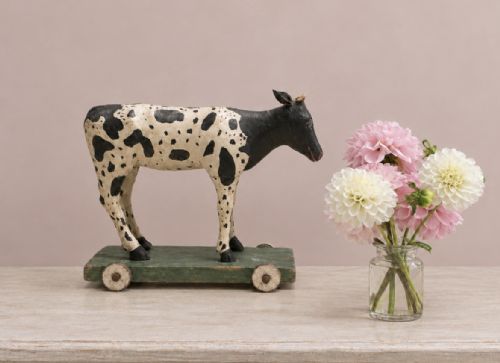
A painted wooden animal brings vernacular character into a room through carved form and pigmented surface.
Painted Wooden Animal
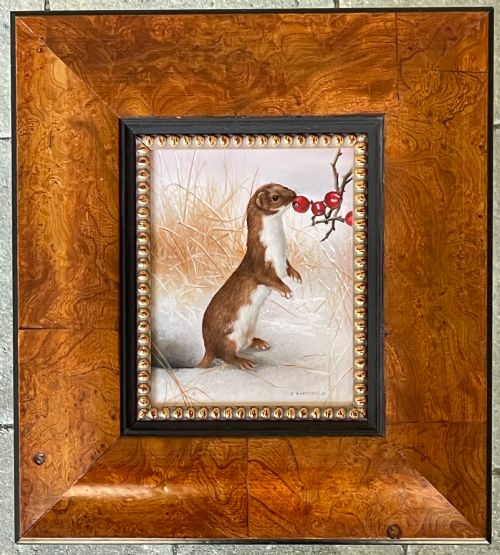
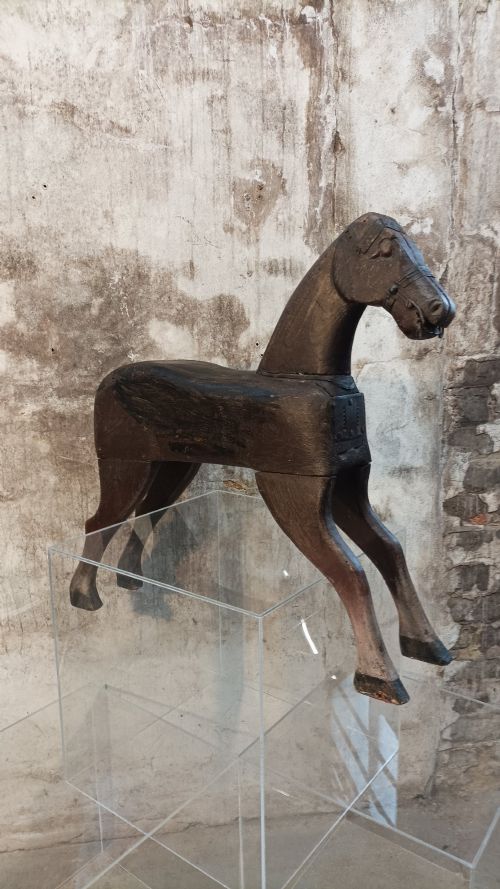
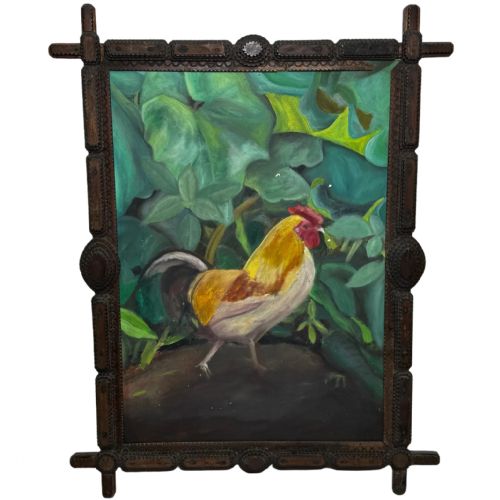
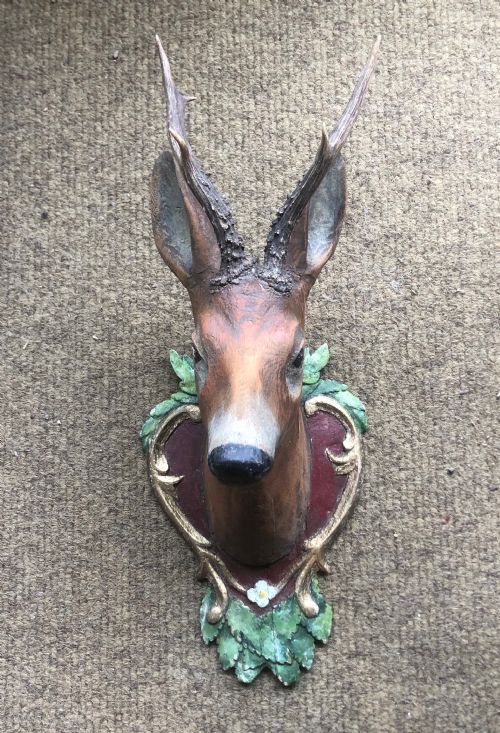
When you search for a painted wooden animal, you encounter sculptural figures, carousel pieces, toys, and shop displays originating from diverse regional traditions. The examples span domestic folk traditions, French butcher shop displays, and carousel figures from the nineteenth and twentieth centuries.
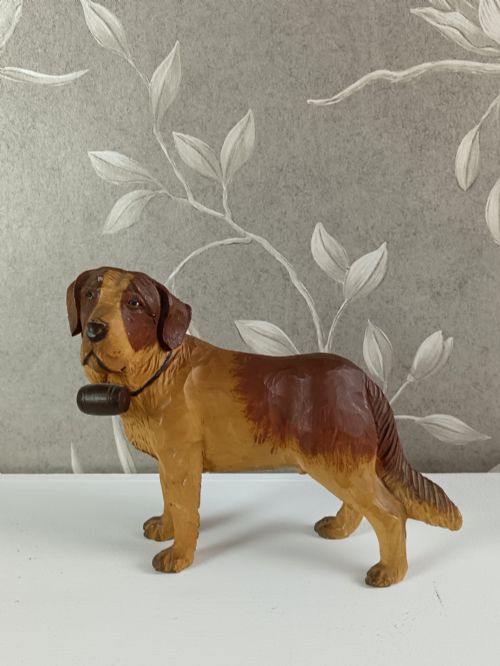
Most pieces combine hand-carved wood with layered oil paint, watercolours, or distemper finishes. You find horses, deer, lions, dogs, cows, and rescue animals created as toys, display items, or standalone folk sculptures.
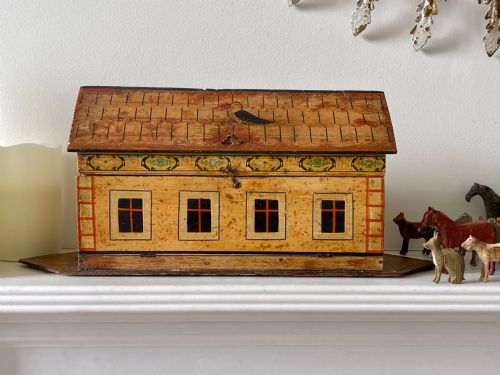
Origins range across British, French, Swedish, Catalan, Alpine, and Indian workshops. The forms vary from small toy lionesses and Noah's ark sets to life-size carousel figures and antelopes.
Materials and construction methods
Carvers shaped blocks and panels of timber using traditional hand tools, often joining multiple sections for larger quadrupeds such as horses, cows, and antelopes. The underlying wood provides a solid structural core designed for utilitarian toy use, carousel rotation, or static display.
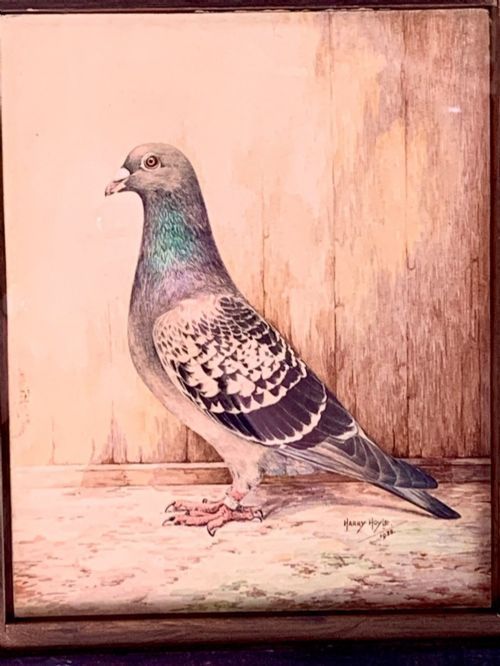
Makers applied oil paint, canvas layers, metal reinforcements, and paper elements to the wooden surfaces to render anatomical details and coats. Pigments were brushed directly onto the bare grain or built up over gesso and priming grounds, leaving distinct brush marks and aged patinas.
Painted Wooden Animal Retail Price Guide 2026
Typical asking prices for painted wooden animal among the pieces listed under this phrase on Sellingantiques today, from the lower quarter to the upper quarter. They describe what is for sale here now, not the wider market.
Materials recorded across the inventory include carved wood, oil paint, canvas, metal, paper, and watercolour.
Distinctions in quality and finish
Quality rests upon the vigour of the carving and the integrity of the original surface paint. Superior pieces display confident anatomical shaping combined with untouched historic pigment layers rather than modern repainting.
Scale and proportion influence desirability, distinguishing substantial carousel figures, shop displays, and life-size sculptures from smaller toy iterations. The handling of expression and stance separates standard commercial work from inspired folk art execution.
Carl Whitfield
The Painted Wooden Animal Glossary
- Folk art
- Objects created within a vernacular tradition by self-taught or community artisans rather than academic studios. These works prioritise functional utility and expressive directness over classical proportion.
- Carousel figure
- Large carved wooden animals produced for fairground rides, featuring dynamic postures and robust construction to withstand heavy public use.
- Distemper
- A water-based paint medium using animal glue or size as a binder, commonly found on early toys and rustic figures. It produces a matt finish that is sensitive to moisture.
- Patina
- The surface texture, wear, and colour transformation accumulated through age and handling. A genuine patina records the working history of the object.
Painted Wooden Animal: Frequently Asked Questions
How do I date an antique wooden animal?
Dating relies on examining tool marks, timber types, and the composition of the paint layers. Historic pigments and surface wear offer reliable indicators of nineteenth and early twentieth-century origins.
Comparing construction methods with dated comparative pieces in regional folk traditions helps narrow the period of manufacture.
Were these figures meant for children or display?
Many items served dual purposes, functioning as children's toys, Noah's ark sets, or commercial shop displays. Larger items like carousel figures and life-size animals were built for public entertainment.
Smaller toy versions experienced heavy handling during play, which accounts for the frequent loss of original surface paint and limbs.
How should I clean a painted wooden surface?
Dust the surface gently with a soft, dry brush to remove loose particles without disturbing delicate paint layers. Avoid water, harsh solvents, or modern cleaning products that can strip historic oil paint or distemper.
Consult a professional conservator if the paint is flaking or unstable before attempting any active intervention.
Are painted wooden animals fragile?
The vulnerability depends on the thickness of the timber, the stability of the joints, and the adhesion of the paint. Dry indoor environments prevent wood shrinkage and subsequent cracking.
Keeping pieces away from direct sunlight and radiators protects organic pigments and prevents the painted surface from blistering.