


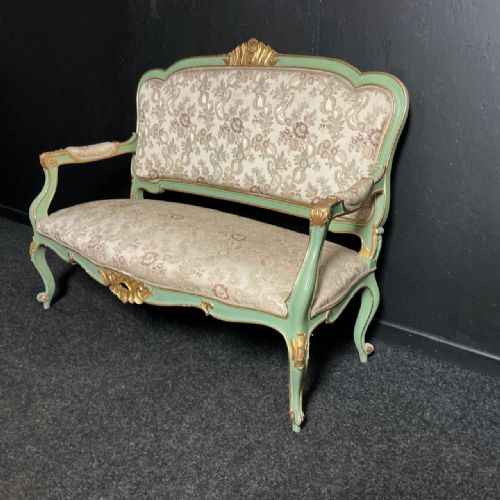


Painted Wood Sofa
A painted wood sofa brings together timber frames and decorative pigment to offer a seat that is both functional and visually striking.
Painted Wood Sofa
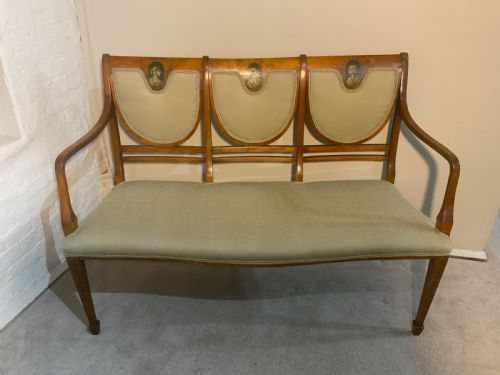
A painted wood sofa encompasses seating forms ranging from early eighteenth century Swedish pieces to later French and English examples. Buyers searching this phrase meet frames shaped in Louis XV, Louis XVI, and Gustavian styles, alongside simpler country seating. The selection spans distinct eras including the nineteenth century and the Edwardian period, often appearing alongside settees, couches, and daybeds.
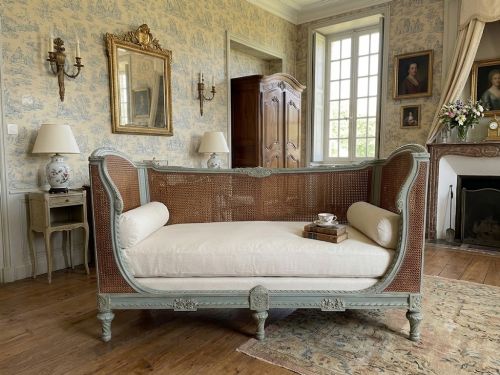
French designs dominate the selection, frequently displaying carved details and gilt highlights upon painted surfaces. These items range from two-seat settees to larger canapés upholstered in textile or fitted with cane panels. Alongside these, Scandinavian pieces present clean lines and original pale paint finishes typical of Gustavian and country workshops.
Materials and Construction
Frames are constructed from solid timbers such as pine, beech, and satinwood, providing a sturdy skeleton for the upholstered or caned seats. Artisans shaped these woods into curved rails, fluted legs, and chair-back configurations characteristic of specific historical revivals. Caning is woven tightly into seat bases and backrests, utilising natural plant materials to create flexible support.
Surface finishes rely on layers of paint applied over wood, sometimes distressed to reveal underlying tones or accented with gilding. Upholstery incorporates textiles, fabric, and Aubusson tapestries fixed to the frames with traditional webbing and stuffing. Each component demonstrates the manual labour of period joiners, carvers, and decorators working by hand.
Painted Wood Sofa Retail Price Guide 2026
Typical asking prices for painted wood sofa among the pieces listed under this phrase on Sellingantiques today, from the lower quarter to the upper quarter. They describe what is for sale here now, not the wider market.
Some nineteenth-century French daybeds hide their reading ambitions behind elegant canework, whispering secrets of afternoon daydreams.
Judging Quality
Quality rests in the integrity of the timber frame and the precision of the hand-carved ornamentation. Superior examples display crisp botanical or scroll carvings that remain sharp beneath the layers of historic paint. Inferior pieces often show blunt details where softer woods have suffered from excessive sanding or poor restoration.
The authenticity of the painted surface dictates much of the visual character. Original pigment showing natural craquelure and age holds greater distinction than later, heavy-handed repainting that obscures the underlying joinery. The alignment of structural joints and the tightness of cane or upholstery work further distinguish workshop standards.
The Painted Wood Sofa Glossary
- Canapé
- An antique French sofa or settee featuring an upholstered back and seat supported by exposed wooden legs. These seats often reflect courtly Louis styles with elaborate carved frames.
- Gustavian
- A Swedish neoclassical style originating in the late eighteenth century characterised by restrained carved decoration and pale painted finishes. These pieces favour symmetry and understated elegance.
- Bergère
- An enclosed upholstered armchair or settee with wooden frames and padded armrests. The style originated in France and provides deep, comfortable seating.
- Cane
- Material woven from stripped rattan used to create porous panels for seat backs and bases. It offers lightweight flexibility while maintaining structural strength.
Painted Wood Sofa: Frequently Asked Questions
How do I clean a painted wood sofa?
Dust the timber frame regularly with a dry, soft cloth to prevent the accumulation of dirt on the painted surface. Avoid harsh chemical cleaners that can strip historic pigments or damage underlying finishes.
For upholstered sections, use a gentle vacuum attachment or consult a professional textile conservator. Keep the sofa away from direct sunlight to protect both the fabric and the paint from fading.
What is the difference between a settee and a sofa?
Historically, the term settee often referred to a wooden or partially upholstered two-seat bench featuring a distinct backrest. Sofas typically offered more expansive, fully upholstered seating designed for lounging.
In antique terminology, these definitions often overlap as makers applied various names to similar forms. Both terms appear interchangeably across eighteenth and nineteenth-century seating types.
Are these sofas suitable for daily use?
Period seating can accommodate regular sitting provided the internal frame and webbing remain stable. Lighter frames, particularly those with delicate cane panels, require more mindful handling than modern furniture.
Inspect the structural joints periodically to ensure they remain firm. Adding supportive cushions can also reduce undue stress on vintage upholstery and webbing.
How can I identify a Gustavian sofa?
Gustavian pieces display pale monochromatic paint finishes, often in soft greys, creams, or whites. Their design draws on French neoclassical motifs but simplifies them with straight fluted legs and understated carving.
These Swedish items date predominantly from the late eighteenth and early nineteenth centuries. Their proportions remain balanced and utilitarian compared to more ornate continental counterparts.