




Painted Tea Box
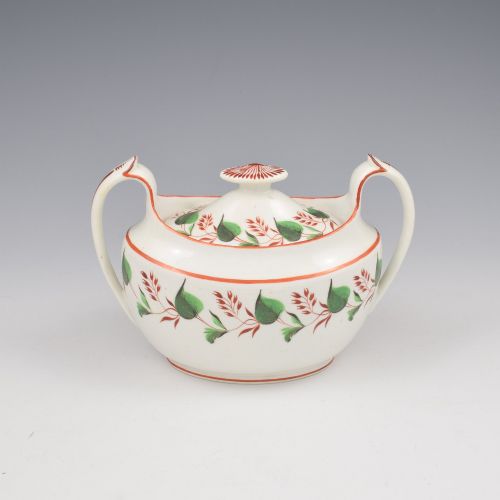
These painted tea box pieces offer charming dry storage with decorative surfaces from the Georgian, Regency, and Victorian eras.
Painted Tea Box
A painted tea box serves to store dried leaves securely while adding decorative colour to a room. These items appear in forms such as tea caddies, sugar boxes, and larger storage vessels from the Georgian, Regency, and Victorian periods.
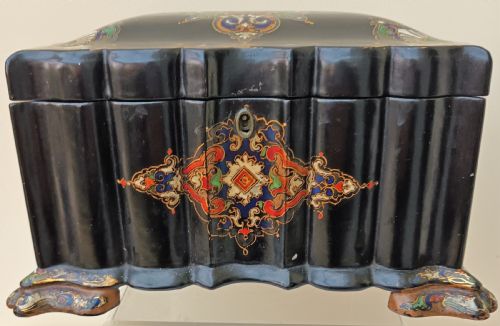
The version most commonly met on this page is the 19th-century English mahogany or lacquer caddy featuring hand-painted or gilt decoration. Makers also produced chinoiserie designs and penwork boxes during the Regency and Georgian eras.
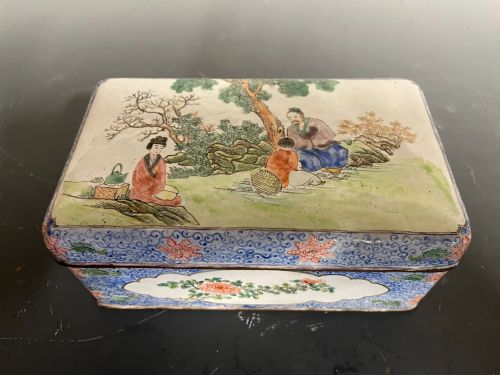
Beyond standard tea caddies, the selection includes related decorative containers such as biscuit barrels, waste paper bins, and enamel boxes. Each piece reflects the domestic storage needs and artistic tastes of the 1800s and late 19th century.
How they were made
Craftsmen built these containers primarily from wood such as mahogany, applying surfaces of paint, lacquer, or papier-mâché. Artisans then embellished the exteriors using hand-applied pigments, gold leaf, and intricate penwork.
Hardware elements like brass fittings provided functional security and hinges for the lids. Chinese export pieces utilised traditional lacquer techniques, whilst English workshops favoured painted mahogany and Toleware tin construction.
Painted Tea Box Retail Price Guide 2026
Typical asking prices for painted tea box among the pieces listed under this phrase on Sellingantiques today, from the lower quarter to the upper quarter. They describe what is for sale here now, not the wider market.
Listings feature items spanning the 19th century, incorporating Georgian, Regency, and Victorian periods alongside Chinese Qing Dynasty examples.
What varies in quality
The refinement of the painted or gilt decoration distinguishes finer examples from simpler vernacular pieces. Crisp brushwork and well-preserved gold leaf indicate superior craftsmanship during the Georgian and Regency periods.
The choice of base material and structural joinery also determines the grade of a piece. Solid mahogany foundations and delicate lacquer finishes demand high skill, whereas utilitarian tin or basic folk art boxes represent simpler production.
The Painted Tea Box Glossary
- Tea caddy
- A small box or chest designed for storing tea leaves. These containers often featured internal compartments and secure locks.
- Chinoiserie
- A European artistic style reflecting Chinese motifs and decorative techniques. Artisans applied these designs to lacquer and painted boxes during the Georgian and Regency periods.
- Toleware
- Enamelled and painted metalware produced in Europe and America. This technique created durable storage boxes and cafe tins.
- Penwork
- A decorative technique using fine ink lines on wood to simulate inlay or engraving. Regency makers utilised this method extensively on small boxes.
- Papier-mâché
- A composite material made from paper pulp or layers of paper bound with glue. Victorian makers moulded this substance into decorative caddies before painting and lacquering the surface.
Painted Tea Box: Frequently Asked Questions
What is a painted tea box used for?
These boxes originally served to keep expensive tea leaves dry, secure, and fresh away from household odours and moisture.
Today, buyers use them as decorative storage containers for small keepsakes, jewellery, or desktop items.
How do I date a painted tea box?
Dating relies on observing the materials, construction methods, and decorative styles visible on the piece. Georgian and Regency items often feature mahogany or chinoiserie lacquer, whilst Victorian pieces frequently use papier-mâché or Toleware.
Hardware details, such as brass hinges and locks, also help indicate the manufacturing period.
Are all painted tea boxes English?
Many items originate from English workshops utilising local timbers and traditional cabinet-making methods.
However, the selection also includes Chinese export pieces and items featuring Qing Dynasty influences.
How should I care for a painted box?
Keep the box away from direct sunlight and damp environments to protect the delicate paint, gold leaf, and wooden structure.
Dust the surface gently with a soft, dry cloth without applying modern liquid polishes.