



Painted Tall Lamp
These painted tall lamp pieces bring hand-finished height and decorative colour to a room, offering both character and presence.
Painted Tall Lamp
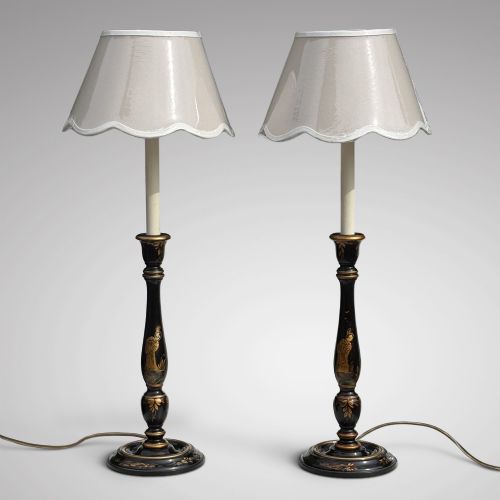
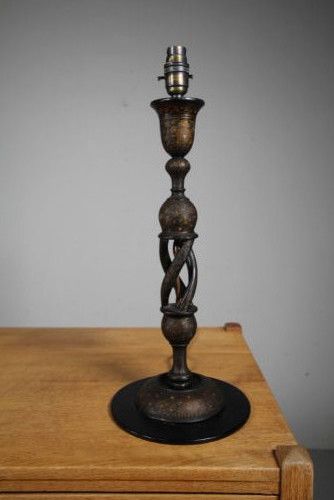
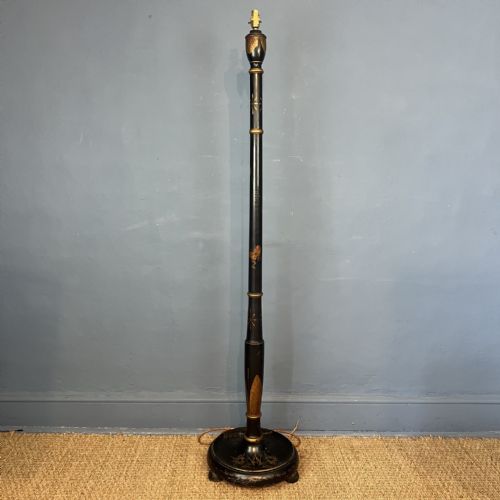
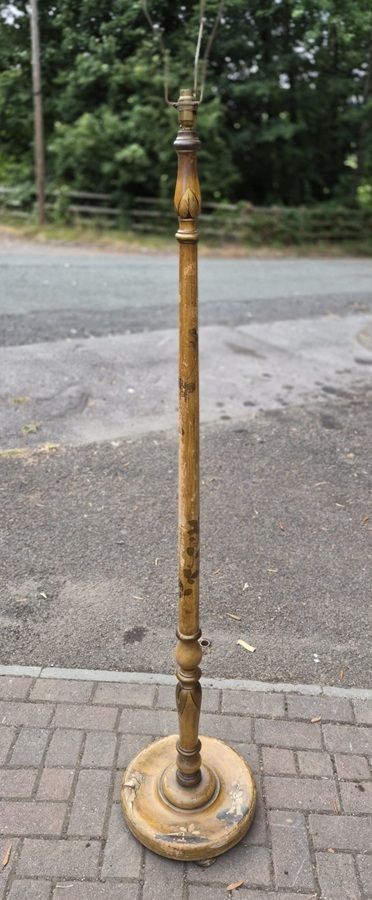
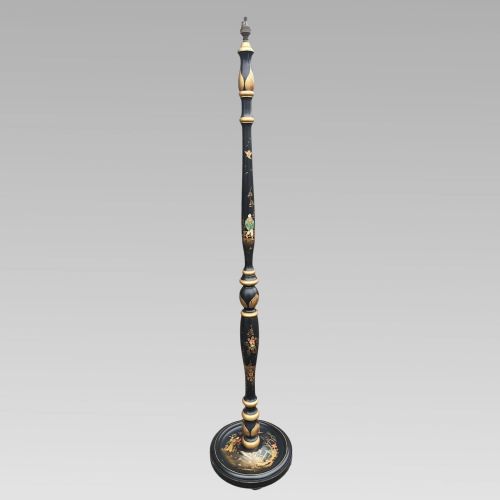
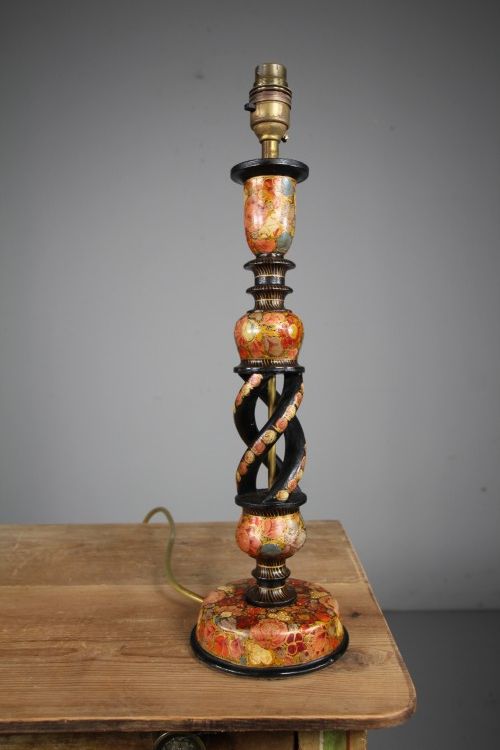
When you search for a painted tall lamp, you encounter floor-standing and standard lighting alongside tall table pieces, spanning periods from the Victorian era through the 1930s. The selection relies heavily on styles such as Chinoiserie, Edwardian Chinoiserie, and Anglo-Indian designs, bringing vertical proportion to interior spaces.
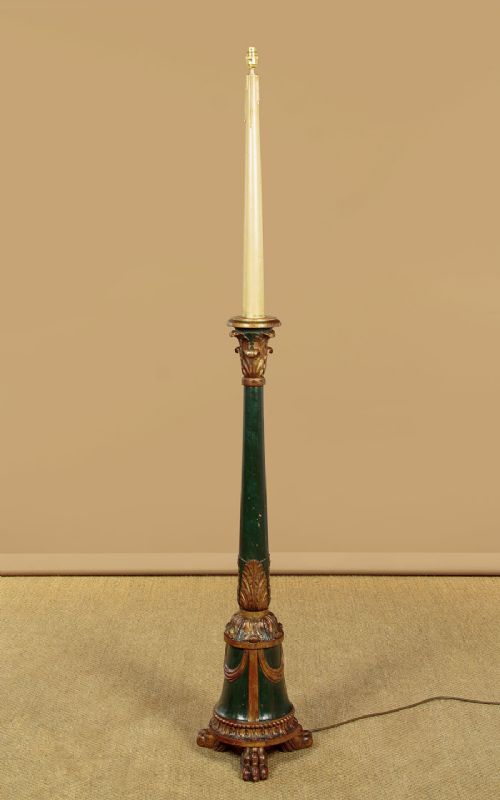
You are most likely to meet standard lamps and floor lamps finished with lacquer, paint, or gilding on wood bases. These tall pieces often feature turned woodwork or slender columns that support fabric shades and direct downward illumination.
The origins stretch across English country workshops, French decorative studios, and Kashmiri artisan traditions. Each piece marries height with decorative surface treatment, serving as both a functional light source and a sculptural element in the room.
How they were made
Makers utilised solid timbers including oak, satinwood, and various turned woods as the structural core for these tall standards. These wooden frames were then smoothed, primed, and prepared for decorative surface work.
Craftsmen applied paint, lacquer, and gilt details directly to the wood, often building up layers of Chinoiserie motifs or tonal washes. Brass fittings and sometimes metal or glass components were incorporated to complete the vertical structure.
Listings feature standard lamps, floor lamps, and lamp tables made from painted wood, lacquer, satinwood, and brass across Victorian and early twentieth-century periods.
What varies in quality
The distinction between tiers rests upon the execution of the hand-painted surface work and the crispness of the turned woodwork. Superior examples display finely detailed brushwork, such as intricate Chinoiserie scenes or delicate gilding that remains crisp across the height of the column.
Subtlety of proportion and the integrity of the underlying timber define the upper range of these tall lamps. Pieces that retain their original structural balance and deep lacquer finishes demonstrate superior workshop origins compared to simpler utility items.
The Painted Tall Lamp Glossary
- Standard lamp
- A tall floor-standing lamp designed to sit directly on the floor rather than on a piece of furniture. These provide ambient room illumination.
- Chinoiserie
- A decorative style reflecting European interpretations of Chinese and East Asian artistic traditions. It frequently appears on lacquered and painted wooden surfaces.
- Satinwood
- A durable, light-coloured tropical timber prized for its natural sheen and smooth grain. It forms the base for fine painted tables and lamp standards.
- Torchere
- A tall ornamental stand or floor lamp originally designed to hold a torch or candle. In later periods, it was adapted to hold electric lighting or vases.
Painted Tall Lamp: Frequently Asked Questions
How do I choose a tall lamp for my room?
Consider the existing ceiling height and the primary style of your furniture. Chinoiserie and painted wood standards work well in traditional and eclectic spaces alike.
Ensure the switch placement and wiring meet your daily requirements while complementing the scale of your seating area.
Were these lamps originally electric?
Many pieces from the Victorian and Edwardian periods began life as oil lamps or gas standards. They were subsequently converted to electricity during later decades.
Rewired examples allow safe integration into modern homes while preserving the antique standard lamp structure.
How do I care for painted wood surfaces?
Dust the painted and lacquered columns gently with a soft, dry cloth. Avoid harsh chemical cleaners that can damage delicate finishes and historic gilding.
Keep the lamp away from direct sunlight and excessive moisture to protect the integrity of the paintwork.
How can I tell the period of a lamp?
Examine the turnings of the wood, the methods of construction, and the style of the hand-painted decoration. Victorian and Edwardian examples often show distinct stylistic traits.
Materials like satinwood and brass fittings provide further clues to the manufacturing era of the piece.